The forecast decided the end of the trip. Several days of rain and stronger wind were coming, and staying on the island would most likely have meant a delayed journey home. So the two days on Shengsi ended early. Before that, there had been the shore, the island roads, a sunrise, and evening light — enough to make the sudden exit feel like a small price to pay.
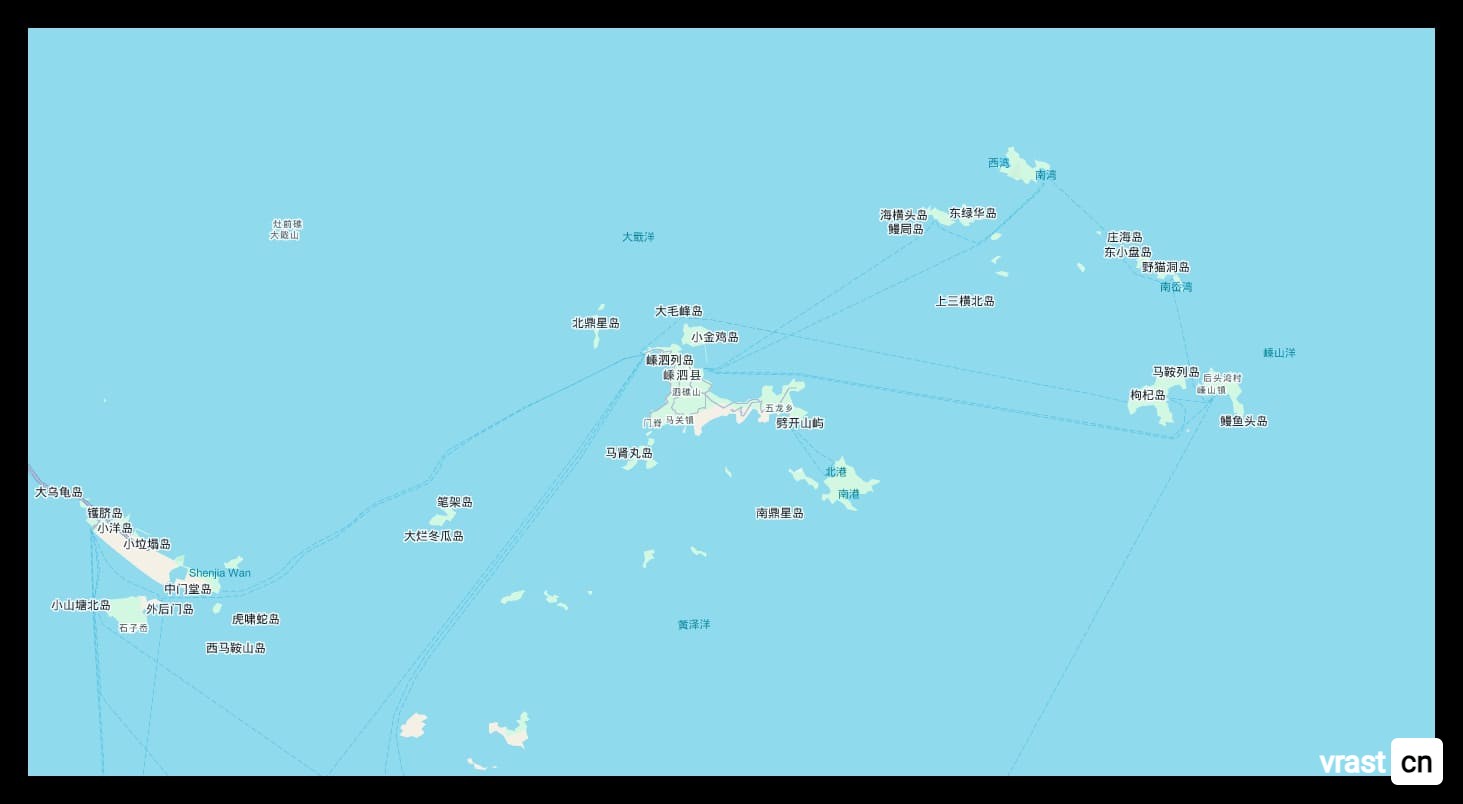
Where Shengsi is
Shengsi County, also called the Shengsi Islands, belongs to Zhoushan in Zhejiang Province. It lies east of Hangzhou Bay and southeast of the Yangtze River estuary: the easternmost island county in Zhejiang and the northernmost part of the Zhoushan archipelago. The group consists of more than 400 islands and islets, including Dayangshan, Xiaoyangshan, Shenjiawan Island, and Baodaozui Island. The largest, Sijiao Mountain, covers 21.2 square kilometers. The county has a total area of 8,824 square kilometers, but only 86 square kilometers are land; the remaining 8,738 square kilometers are sea. That is where the local saying comes from: one part island and reef, ninety-nine parts sea. It is China's only national-level island-group scenic area, known for clear water, unusual reefs, golden beaches, and fishing lights, and often called a fairy mountain on the sea. Its sights are usually grouped into four areas: Sijiao (with Huanglong and nearby islands), Hualü (Huaniao and Lühua), Shengshan-Gouqi, and Yangshan.
Getting there from Shanghai
By road, Shenjiawan Pier is about 100 kilometers from Shanghai, and driving from the city usually takes 1.5 to 2 hours. The sea crossing from Shenjiawan to Lilishan Pier on the main island is about 27 nautical miles, roughly 50 kilometers. A fast boat takes about 50 minutes; the passenger ro-ro ferry takes about 1 hour 50 minutes. The overall distance is around 150 kilometers. Door to door, including transfers and waiting, allow 3 to 4 hours. With a car and a smooth connection, it can be a little over three hours.
Why the water can look yellow
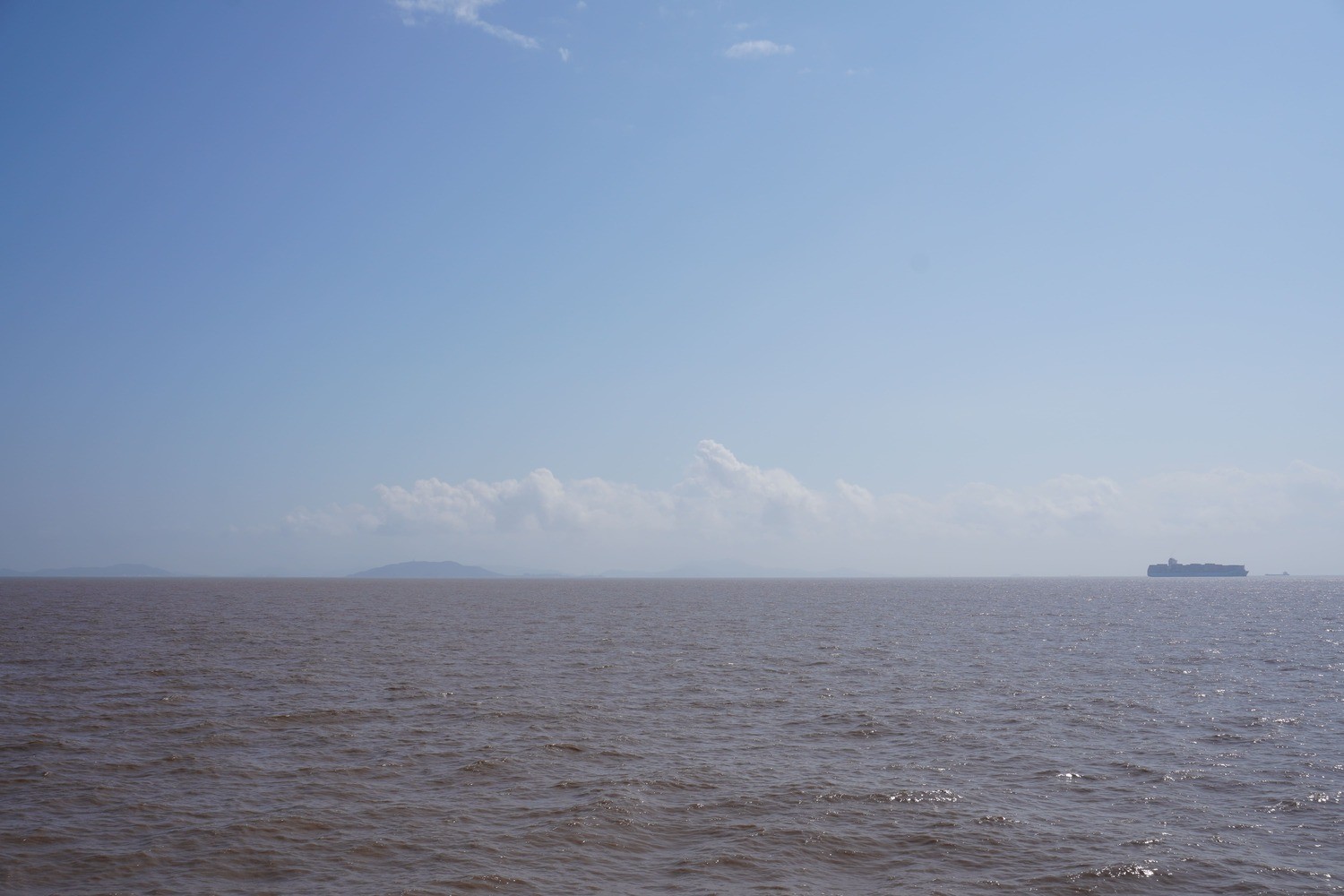
Cold fronts and stronger winds are a big part of it. In strong wind or heavy rain, sediment and debris are stirred into the water and the sea turns muddy. After the weather settles, settling and water exchange gradually clear it again. Even a day or two after a storm, if conditions are calm, the water can already look much better. Currents and tides also affect clarity, so the sea can change from day to day. If clear water is the goal, keep an eye on the local weather and sea forecast before setting out.
The clearer periods tend to be summer and early autumn. From July to September, the subtropical monsoon climate keeps temperatures mild, the water is comfortable for swimming and other activities, and the sea can turn deep blue and clear enough to see the bottom, like a large blue gem. Summer ocean movement in the Pacific also brings some of the island's best sea views, and the island itself is green and flowering. One caveat: July and August are the fishing moratorium, so seafood may be less plentiful and a bit more expensive. In early October, the weather is usually more stable, with less rain and smaller waves; the water is often clear, and the temperature is neither hot nor cold. That makes it a comfortable window for a visit.
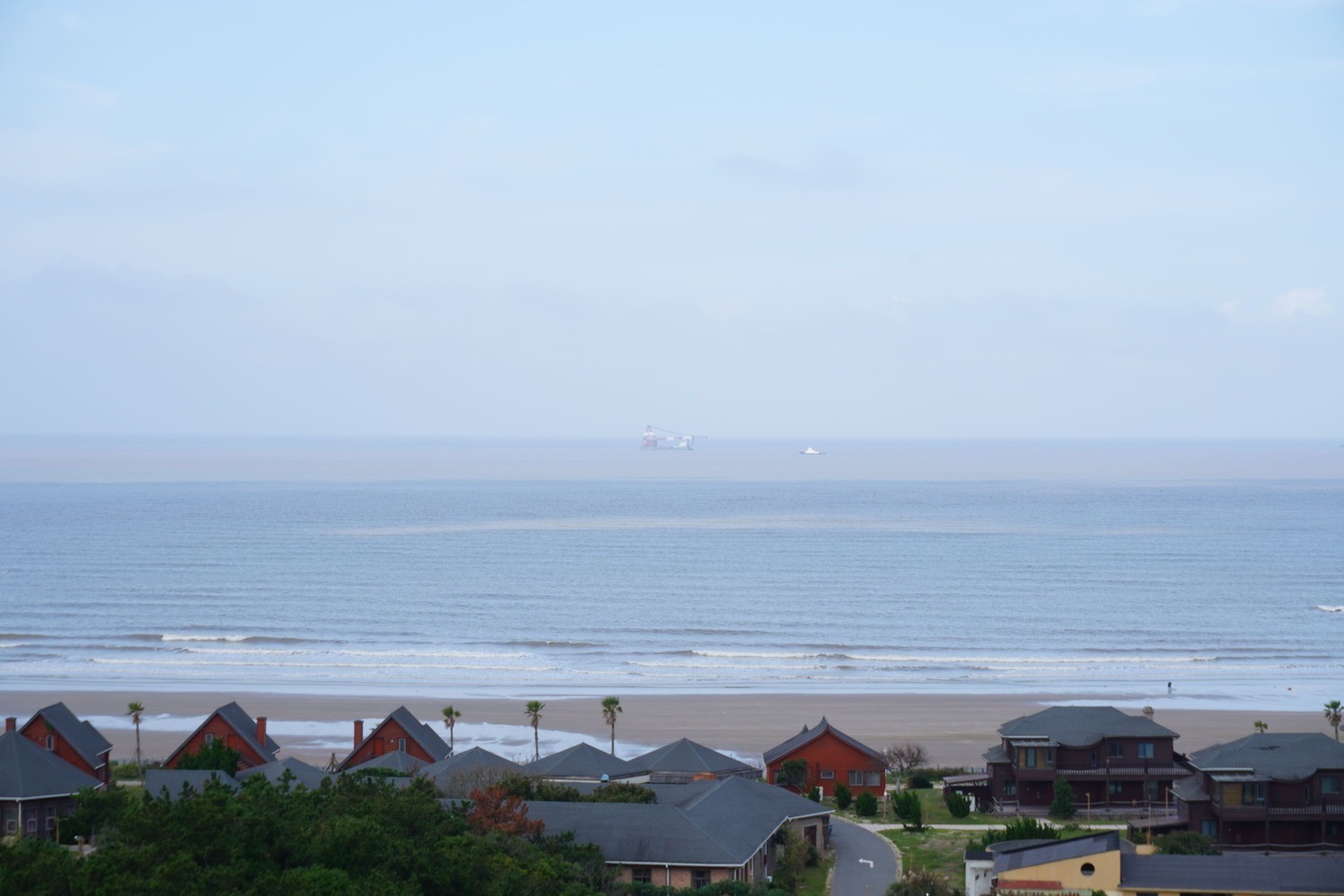
Beaches and island roads
Away from the pier, the trip is mostly about the shore and the island's interior. The beach and the roads between stops are the quiet parts of the day, the places to slow down between ferry schedules.
Sunrise and evening light
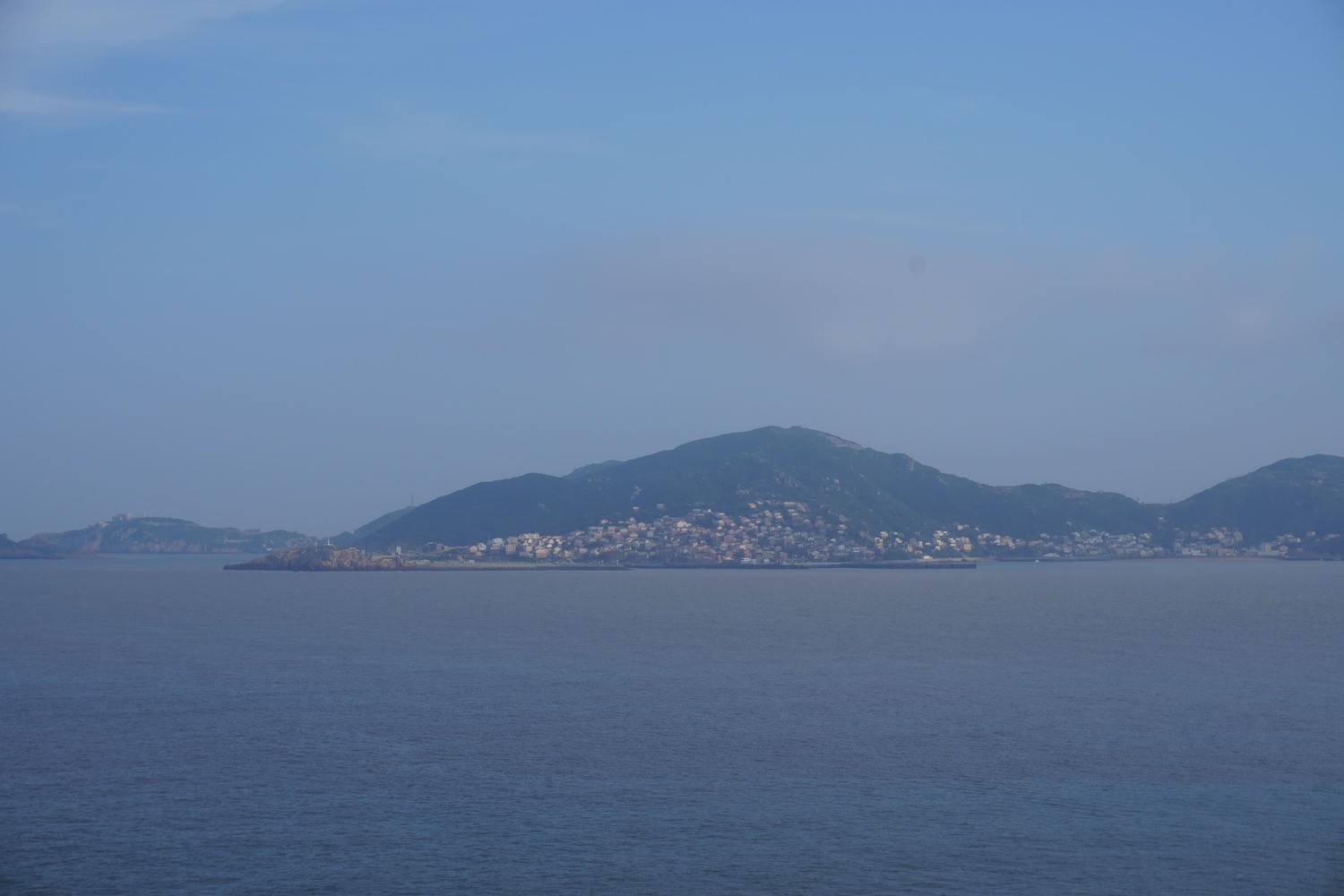
The sunrise was the reason to get up early. Later, the sky kept changing after sundown as well.
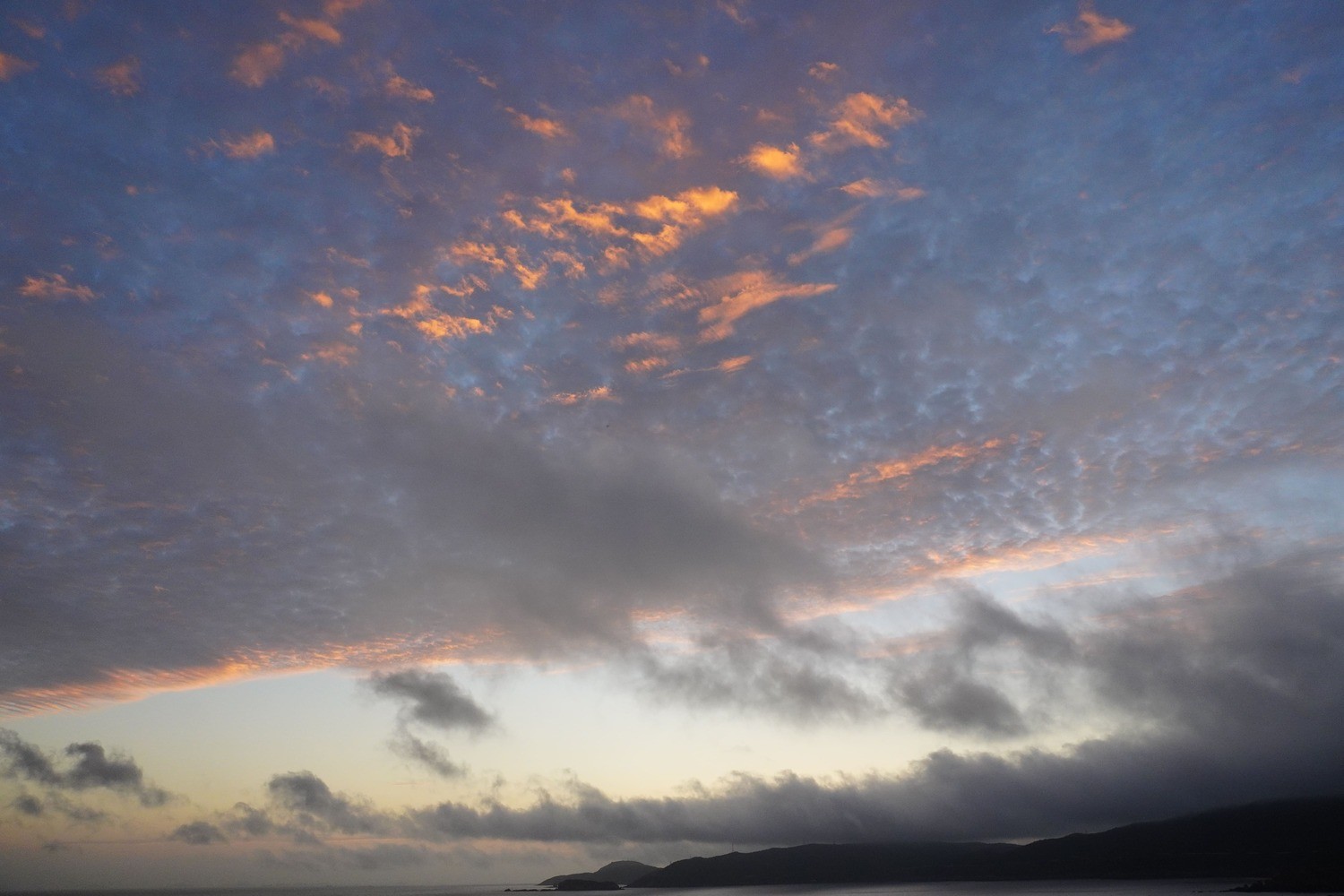
A photo before leaving
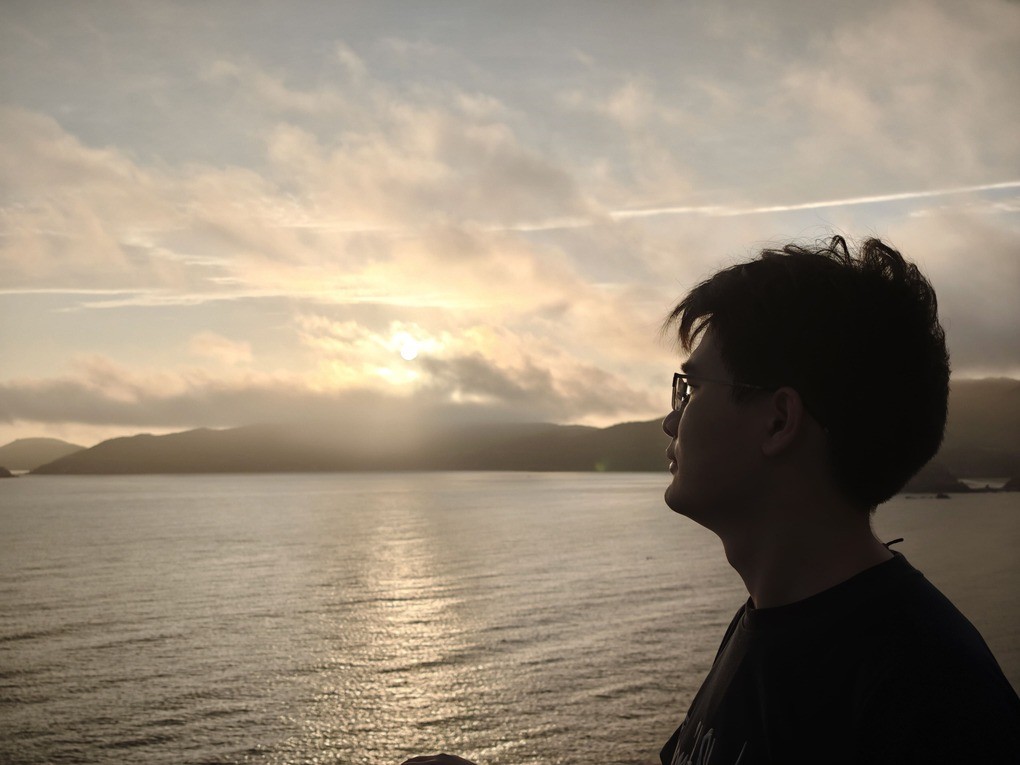
Leaving early
The forecast for the next few days showed continuous rain and stronger wind. Staying on the island would most likely have delayed the trip back, so we cut it short.
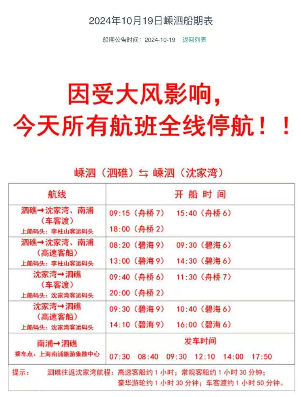
If you go to Shengsi, it is worth following the local ferry account, Shengsi Passenger Transport (嵊泗客运), on WeChat for the latest sailing information; it can save you from a disrupted plan.
We left the hotel just as another tour group was checking in. I hope the weather treated them better than it was about to treat us.
That was the two-day Shengsi trip: Liuhe Chaoyang and the Shengsi sunrise.