Compared with Hong Kong, Macau has fewer must-see sights, but that is exactly why it works well for a parent-focused trip: hit the landmarks, take the photos, and check the place off the list. Unless the goal is a slow vacation, one day is usually enough. Older travelers are rarely that interested in a long urban wander for its own sake.
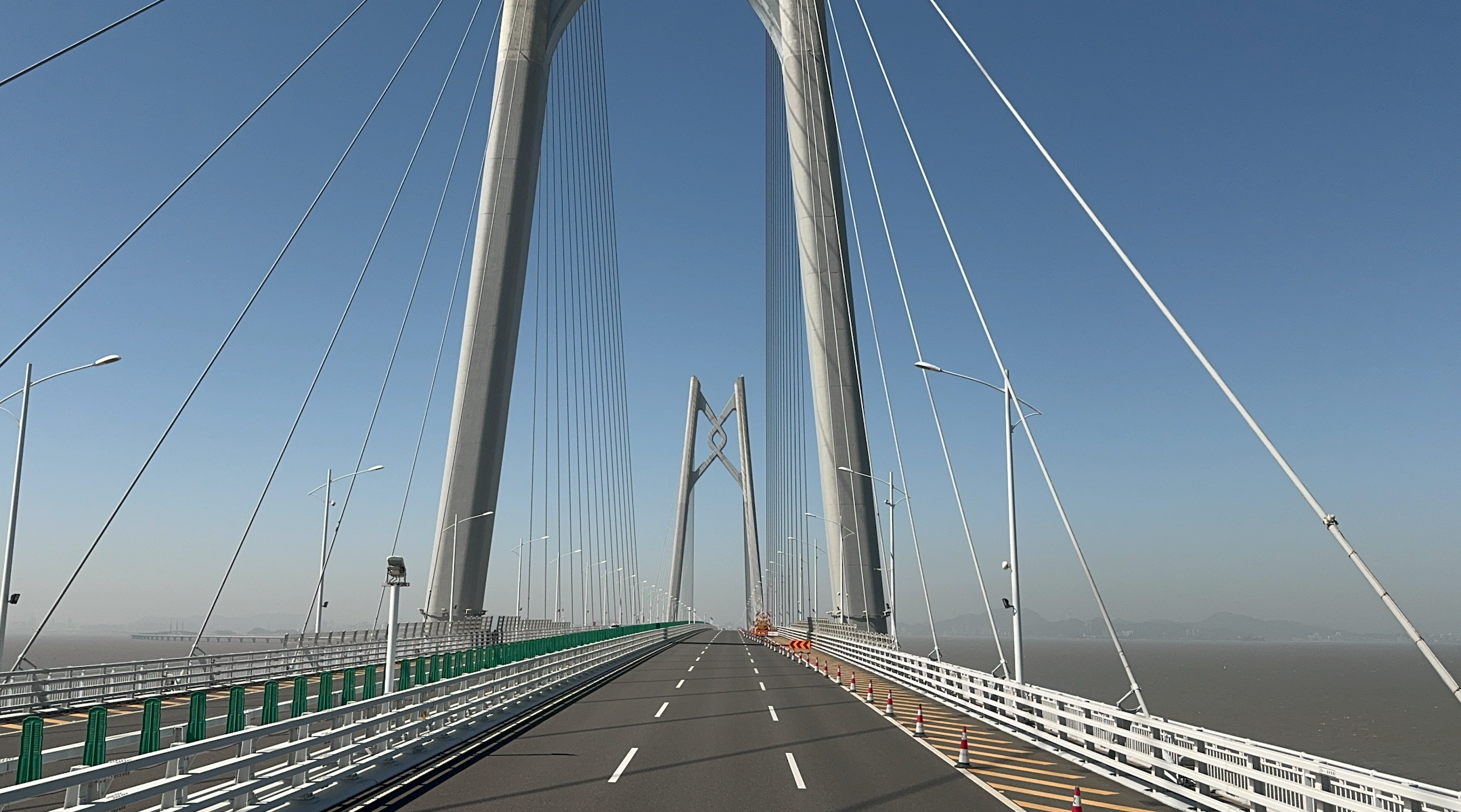
If you are going from Hong Kong to Macau, the Hong Kong–Zhuhai–Macau Bridge is the best route. Many parents are genuinely excited by infrastructure on that scale, and it is also efficient. There are two main ways to use it. One is the cross-border coach, which officially operates as a cross-border bus: you can board in the city, get off at the checkpoint to clear immigration, then transfer and continue into Macau, where it stops at several hotels in urban areas. Major pickup points include places like Causeway Bay and Mong Kok. I did not want to spend time checking all the boarding schedules and arrangements, so I chose the second option instead: make my own way to the port, then buy a ticket for the shuttle bus.
The Hong Kong port passenger terminal is next to the airport, so from the city you can basically take one of the same airport-bound buses. From the Causeway Bay / Wan Chai side, I took the A11. Google Maps can give you a rough sense of departure times, though it is not perfectly accurate. After getting off, you enter the terminal and buy your ticket there, or purchase one through the shuttle bus public account. The fare is RMB 58 online, with discounted tickets for travelers aged 65 and above. If you buy on site, it is HKD 65 in the daytime; during busy hours buses usually leave within about five minutes and run 24 hours a day. At night the fare is HKD 70.
The shuttle bus is double-decker. On the outbound ride, we got seats in the very front of the upper deck, which my parent loved—constant photos and videos, lots of admiration for the bridge and the scenery. The water below, though, was impressively yellow, on par with what you sometimes see around Shanghai. Part of the route goes underground through an undersea tunnel. In less than an hour, you reach the Macau and Zhuhai side. Depending on the ticket, Macau immigration is to the left and Zhuhai to the right.
After clearing self-service immigration in Macau, there are several ways into town. My route for the day was Macau Fisherman’s Wharf, the Ruins of St. Paul’s, and then Grand Lisboa, so I planned to make use of one of Macau’s famous free casino shuttle buses. These days casinos are all officially referred to as "entertainment venues," which is its own kind of linguistic modernization.
From the Macau side of the bridge terminal, follow the signs to Area C for the entertainment-venue buses. If you just keep walking in the direction the signs point, you will get there. These shuttle buses split into two directions: one goes to the Macau Peninsula transfer hub, the other to the Taipa transfer hub. You need to know which side your destination is on. I was heading to the peninsula, so I took the one for the Outer Harbour Ferry Terminal transfer point. These buses are also generally hop-on, hop-off style with no real wait, and the distance is short, though traffic can be slow. If transferring sounds annoying, a regular public bus is also fine.
People joke that the entire territory of Macau is smaller than Pudong Airport, and that is why so many places are walkable if you are not in a rush. It also explains why so many visitors end up walking far more than expected. The drop-off at Outer Harbour Ferry Terminal is basically attached to yet another entertainment venue. They are everywhere. A friend once wondered how so many of them could possibly all make money; after stepping into a casino for a while, the answer becomes a lot clearer.
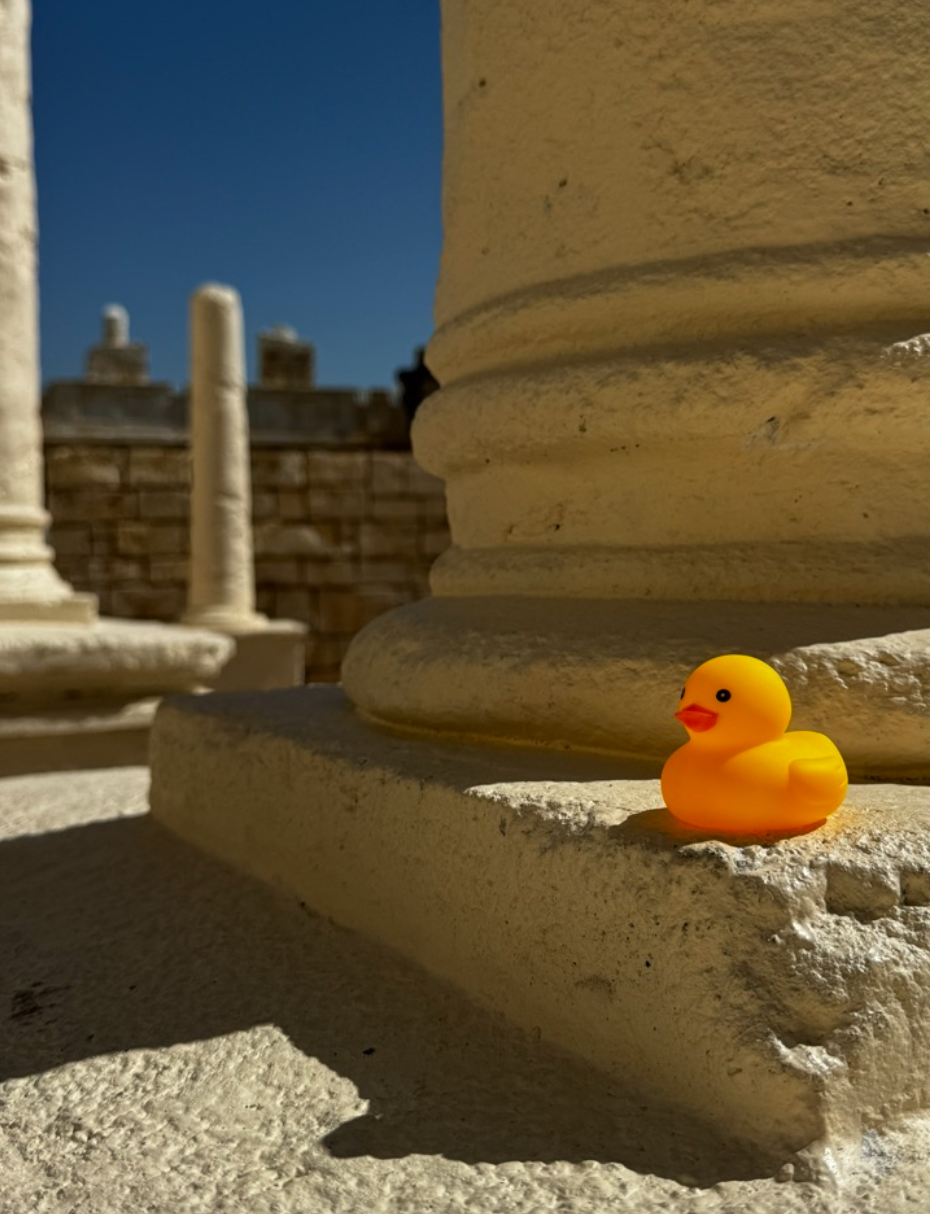
From Outer Harbour Ferry Terminal, you can walk to the first stop, Fisherman’s Wharf. It is essentially a themed leisure and shopping development built on the old Macau harbor terminal area, and it was also one of Stanley Ho’s investments. The site mixes several themes—Tang-style architecture, Aladdin-inspired sections, a European waterfront, and more. We only wandered briefly around the Roman amphitheater area, but it is undeniably good for photogenic check-ins. My mother got a full photo session there.
For food, classic Macau items include pork chop buns and egg tarts, while the rest is largely familiar Hong Kong–Macau cha chaan teng and Cantonese fare. This time we ate at Taoxiangju Restaurant, which was very good. My mother liked it a lot too. The only problem was that I ordered too much, which felt wasteful and earned me a running commentary afterward.
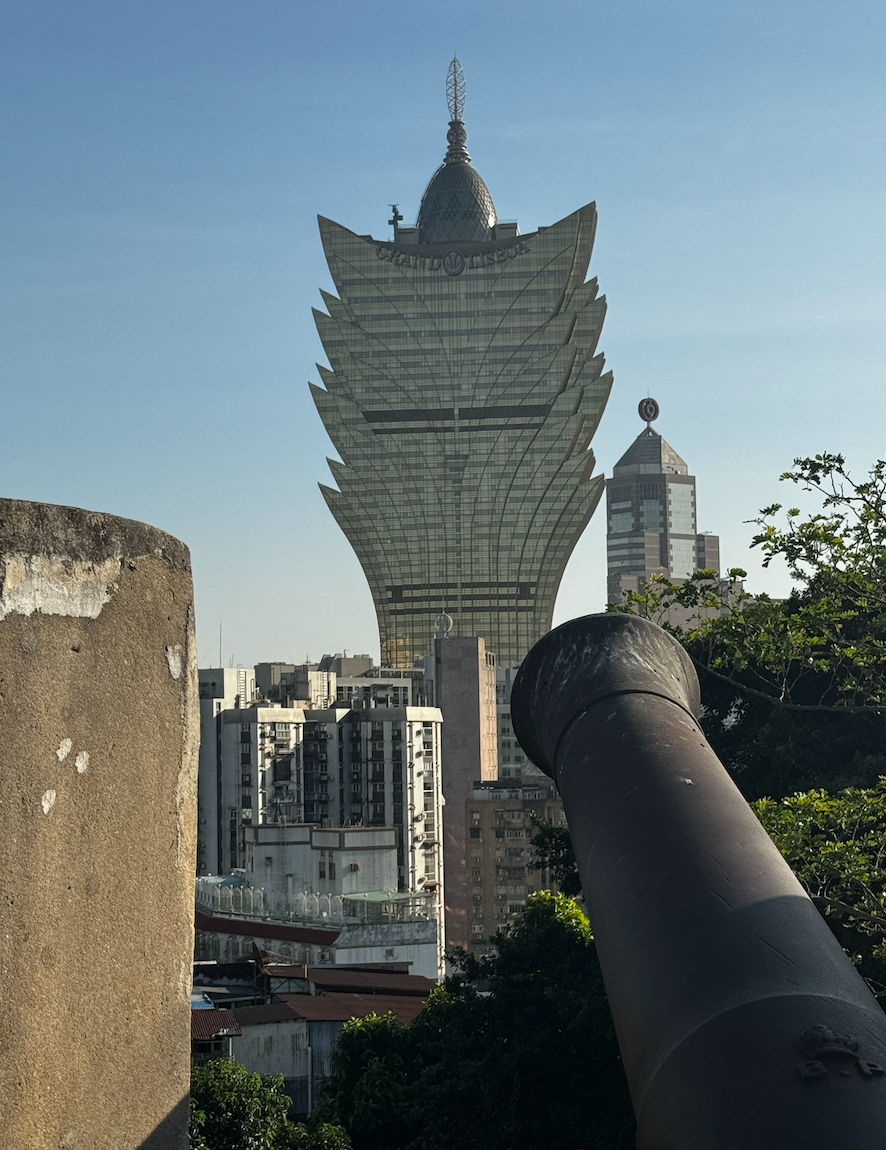
From Taoxiangju, we followed the map past the Our Lady of the Seas lookout and Guia Lighthouse, then continued on foot to Mount Fortress. Along the way you can already see Grand Lisboa from a distance—it is such a distinctive building that it keeps showing up in the skyline. Oddly enough, Google Maps kept drifting off in Macau, while Amap worked very well, though I have no idea whether that is because of location-related interference or something else. Macau is also hillier than some people expect. In that way it feels a bit like Lisbon—though you could also compare it to Chongqing or Qingdao. The uphill walking is genuinely tiring.
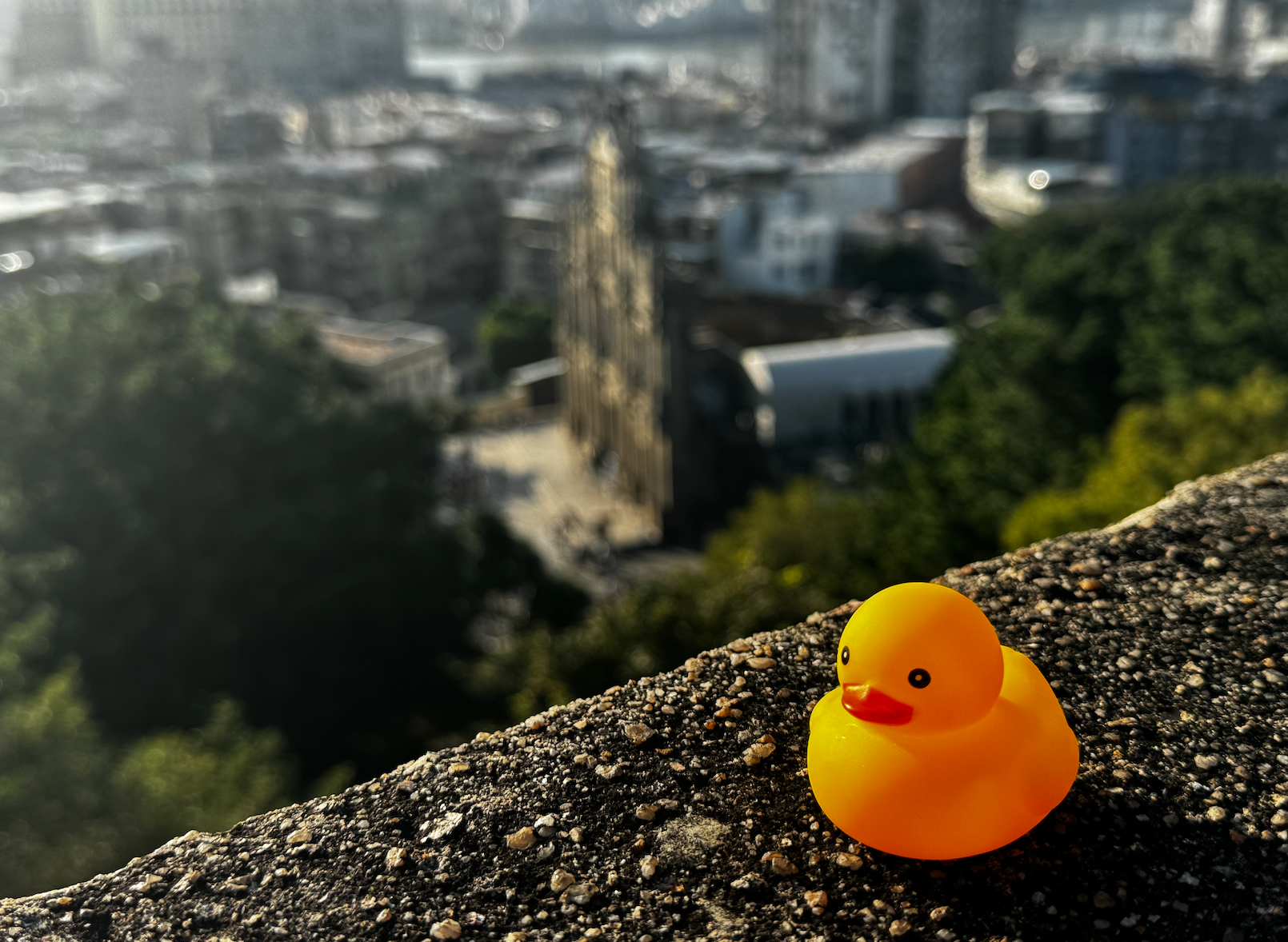
Below Mount Fortress is the Ruins of St. Paul’s. This whole area, together with Macau’s historic old city, is part of the UNESCO World Heritage zone. The fortress was originally used to guard against pirates, and later became a military zone. There is also the Macau Museum at the top, but there was not enough time to go inside. From the summit, you get a broad view over the city. In a few spots, the tightly packed hillside buildings below look strikingly like the rougher urban slopes of Chongqing. Supposedly you can also see parts of Zhuhai, though I did not know which direction to look, so I skipped trying. The most eye-catching structure from above is probably Grand Lisboa, and it sits right in the line of the cannons, which makes it look a little as if the fortress is aiming straight at it. Looking more closely this time, I finally understood why the hotel’s name sounds the way it does in Chinese—its English name is Lisboa.
The Ruins of St. Paul’s were crowded enough to make you question your life choices, and the lanes below were just as packed. Nearby, you can also visit St. Dominic’s Church and the Macau Cathedral, then keep strolling until you reach Grand Lisboa.
Grand Lisboa has a free shuttle bus back to the bridge terminal, but you need to go inside the hotel and collect a ticket at the B1 service counter. One important thing to know: those shuttle buses can fill up, so if you plan to use one, get the ticket first. We went to the casino before doing that and discovered all the remaining departures for the day were already full.
Entering the casino requires a security check, and you cannot use your phone at the gaming tables. The staff at Grand Lisboa wear uniforms closer to military dress than to the glamorous dealer image people imagine from movies.
If you want to play, you do not need to exchange chips in advance if you are using Hong Kong dollars; you can hand over HKD directly at the table and exchange there. Renminbi, however, needs to be changed at an exchange counter first and cannot be used directly at the tables. It is also interesting that the legal currency in the casino is HKD rather than MOP. The smallest chip seemed to be HKD 100, and many tables had minimum bets of HKD 500 or HKD 200, so it is worth checking before sitting down. Watching several people lose HKD 1,000 chips in just a few seconds was a vivid reminder of how intense the place can be. At the baccarat tables, you really do see the movie-style ritual of players carefully peeling up their cards while the crowd around them shouts encouragement—"Blow! Blow!" Other common games include blackjack and roulette, and there are so many different tables that it is hard to keep track. Even the slot machine area alone is huge. Inside a casino, it is better not to rush into betting—watch a few tables first and pay attention to how people are playing. Finding the table that is currently winning feels oddly important.
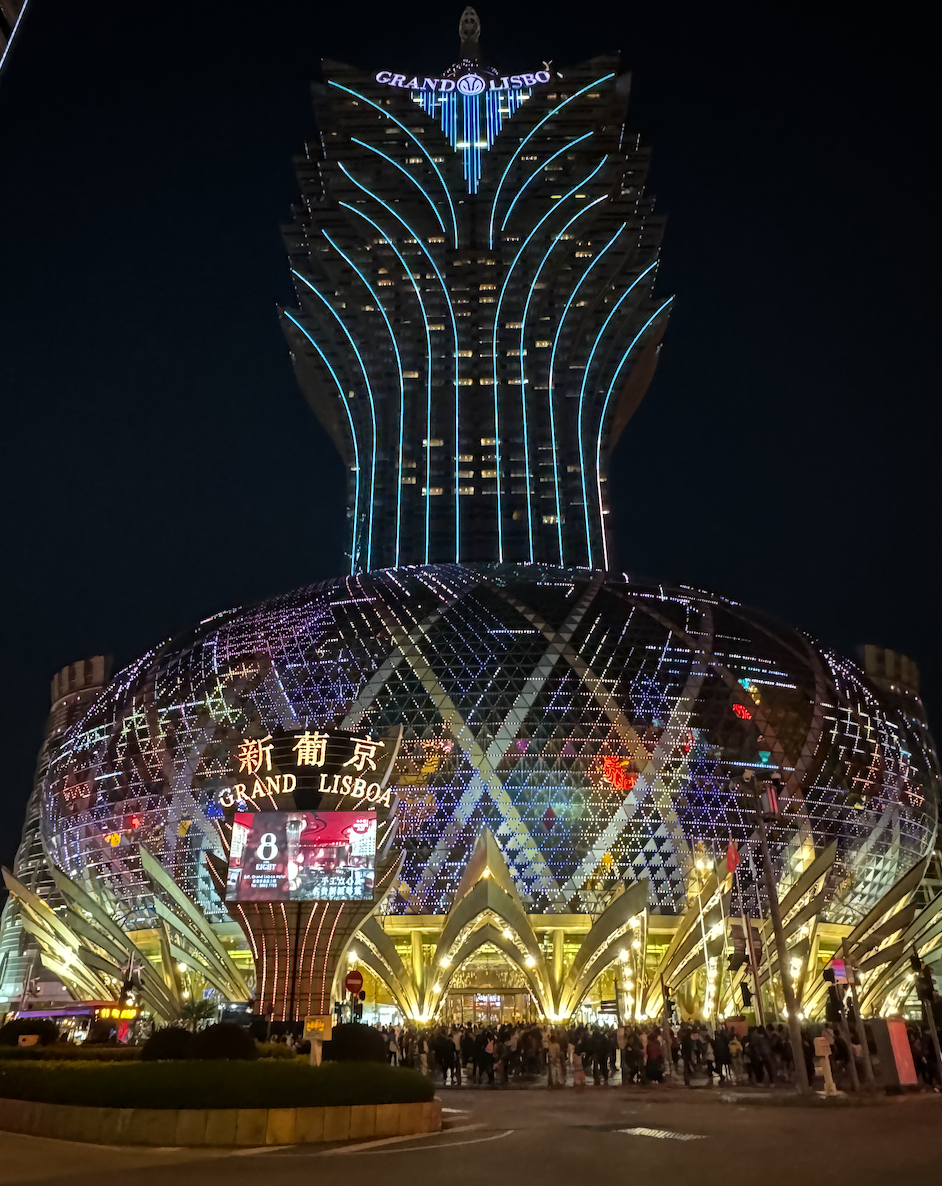
My mother strongly disapproves of gambling, so this time I did not even dare exchange for chips. Just walking inside was enough to get a remark along the lines of, "Why would anyone come to a place like this after a full meal?" A friend in the group won HKD 200, and we took that as our cue to leave quickly.
From Grand Lisboa, a public bus goes directly to the Hong Kong–Zhuhai–Macau Bridge checkpoint building. The fare is MOP 6. You cannot use Alipay or WeChat Pay on board, but somehow a Shanghai transit card works. If that fails, giving cash also works; we managed to board by handing over HKD 5 plus RMB 20. The distance is not far, but the bus traffic was absurdly slow. For a place this small, spending more than 40 minutes on a bus to the terminal felt ridiculous.
The return trip was simple: buy the ticket again at the checkpoint building and repeat the same process in reverse. And that was the end of a perfectly uneventful one-day Macau trip.