A human life stretches across decades; a film lasts only a couple of hours. By that measure, calling any movie a “life film” might sound overstated. And yet films have repeatedly given me revelation, inspiration, aesthetic pleasure, and sometimes a kind of strength. They let me enter another person’s inner world, examine myself through it, and slowly learn how to understand other people and the world they inhabit.
The films I’ve seen have not stayed on the screen. They’ve settled into me, becoming part of my own life, only to resurface years later at unexpected moments. Looking back now, I can see how continuously they have helped shape who I am. That is why certain films carry a real weight for me.
What follows are ten of the heaviest ones.
10. Lust, Caution (Ang Lee, 2007)
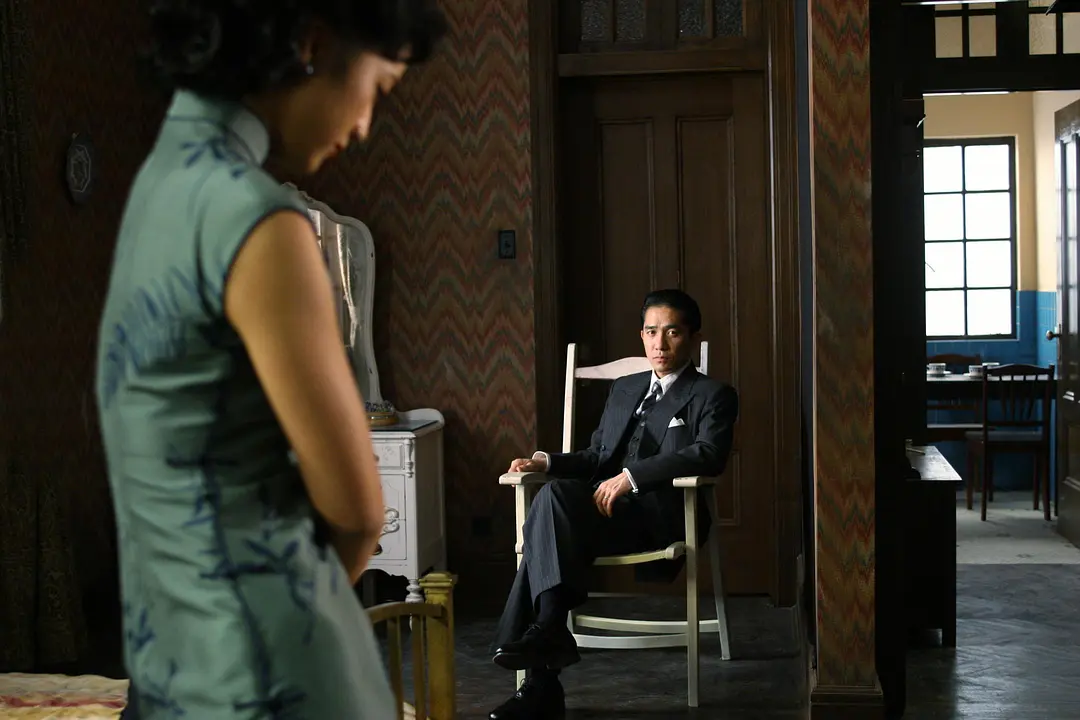
In some sense, Ang Lee and Christopher Nolan feel like two poles: emotion and reason. If Nolan uses rigorous logic and the allure of science to connect different modes of thought, then Ang Lee reaches across emotional distance through pure sensitivity and empathy.
Lust, Caution is that emotional power at its most intense. The body and politics, grand historical currents and private feeling, pull against each other in a battlefield without smoke. Lee has always been exceptionally gifted at filming this kind of tension and struggle. You can see it in the cultural conflict of the early “Father Knows Best” trilogy, and later in the way Brokeback Mountain and Crouching Tiger, Hidden Dragon stage the individual’s struggle within social restraints. That tension is the core dramatic force of his cinema.
What makes Lust, Caution so remarkable is the way it forces you to recognize how subtle and complex human choice can be. Very often, a person’s decision cannot be judged so easily as simply right or wrong.
9. Taxi Driver (Martin Scorsese, 1976)
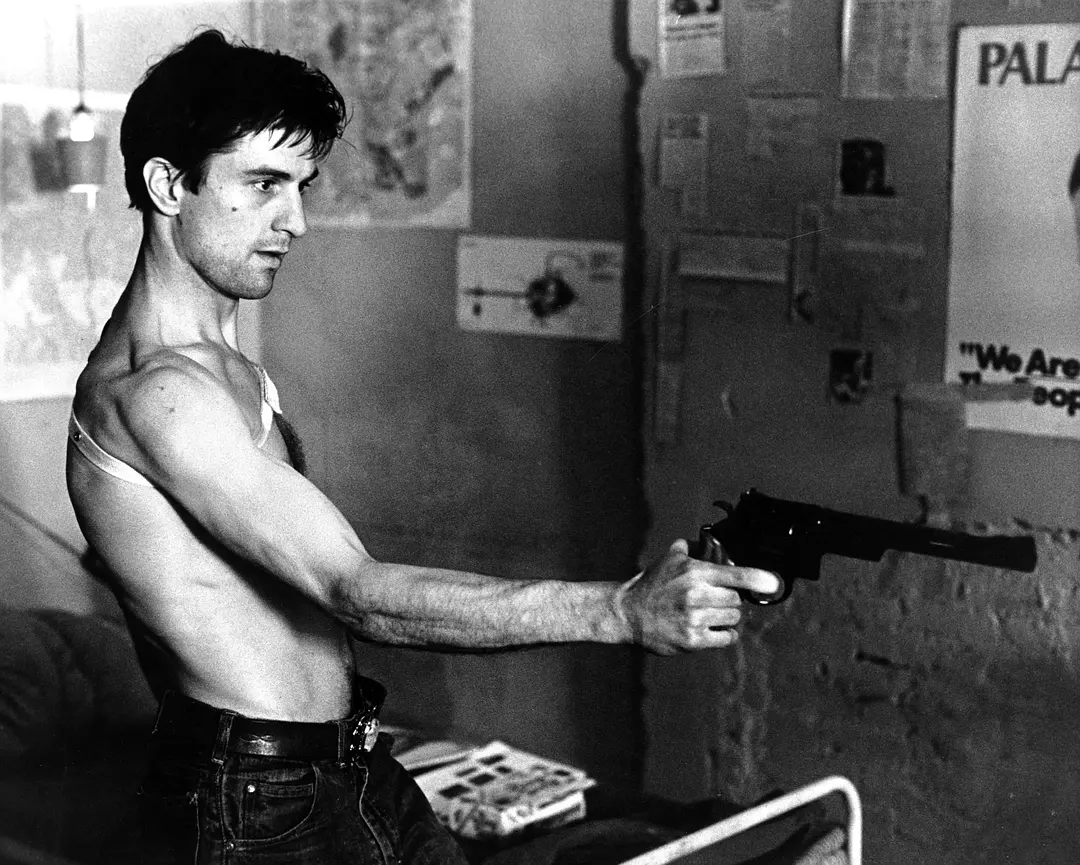
A lot of people call Joker a remake in spirit of Taxi Driver, but to me Robert De Niro’s performance expresses much more. Both films deal with repression and eruption, yet Joker feels closer to a purely Freudian psychological tragedy, while Taxi Driver adds a sociological dimension that broadens its vision.
Travis’s loneliness and anger are not just personal pathology. His insomnia becomes New York City’s insomnia, a symptom of the entire post-Vietnam era. Through his filthy windshield—framed by lurid neon, drifting through uneasy, languid music—we are shown a miniature of a diseased society.
Against this larger backdrop, Scorsese uses a highly personal audiovisual language to create overwhelming immediacy and immersion. It is intensely artistic without sacrificing force.
8. A Brighter Summer Day (Edward Yang, 1991)
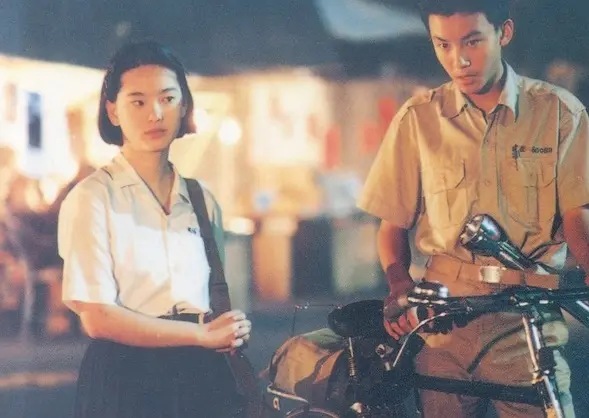
Everyone carries some version of a cruel youth story inside them. If the sense of loss in In the Heat of the Sun feels like the natural fading of adolescent hormones, then the despair in A Brighter Summer Day comes from the complete collapse of belief.
Here, brothers and lovers, friendship and romance—everything is dragged downward by forces too large to resist. The young begin full of idealism, naively imagining that the ugliness before them will pass and that the future still holds hope. But once they realize that competition, violation, deception, and betrayal are not exceptions but part of life’s structure, that the rotten remains rotten, that the world does not simply improve, the truth becomes almost too cold to bear.
The film leaves you no choice but to admit how fragile youthful idealism is when it meets the hardness of reality. And it makes you accept that this is part of what growing up costs.
7. Fight Club (David Fincher, 1999)
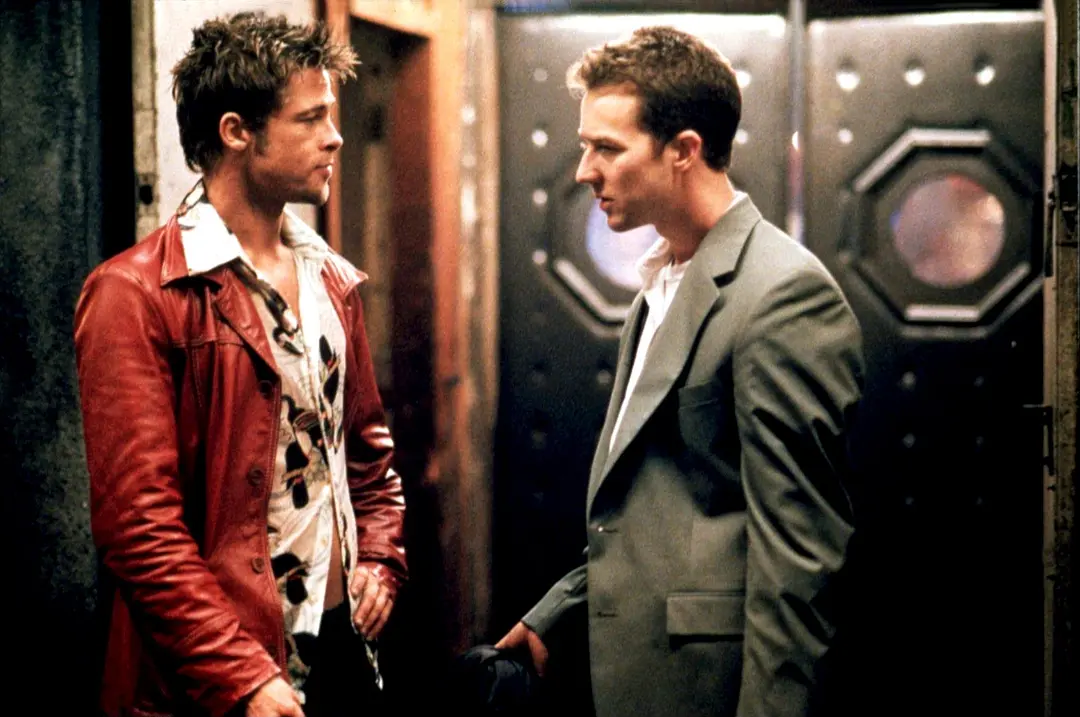
If there really is such a thing as a worldview being overturned, then Fight Club may be the film that hit mine the hardest.
It feels like the continuation of a life lived so numbly that collapse becomes the only possible ending. It drives a question into you that is hard to suppress: the fluorescent lights above your cubicle do not define you; the clothes you wear do not define you; the balance in your bank account does not define you. Only when a fist lands on your face does real pain shock your numbness awake.
So once those external labels are stripped away, who are you?
6. Manchester by the Sea (Kenneth Lonergan, 2016)

Many films about trauma seem to say: cheer up, it’s not that serious. Very few say what Manchester by the Sea does: if you can’t move on, that’s all right too.
A lot of people refuse sadness in the immediate aftermath of loss because they think they need to be strong. But those same people often break down years later over something seemingly trivial. In truth, their emotions may not begin to settle until that delayed grief finally arrives and is fully experienced.
People need moments in which they can be immersed in sorrow. Sometimes redemption only comes through that surrender.
5. Trivisa (Milkyway Image, 2016)
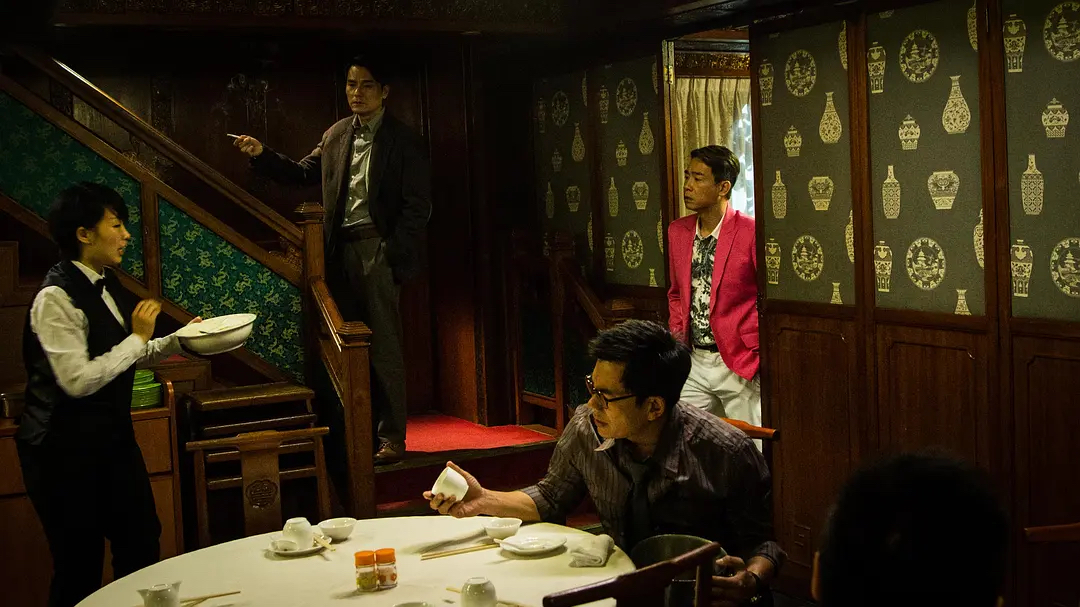
For a long time I kept replaying the film’s theme song, Kenny Bee’s “Let Everything Be Gone With the Wind,” and imagined that some of my own frustrations and disappointments had found an echo in it.
This film brings together Hong Kong’s three legendary thieves, but instead of extending any myth, it leaves us with the debris of fallen heroes. It is a story of missed chances and irreversible loss. In the face of historical change, even so-called great men cannot outrun the joke time plays on them.
As Milkyway Image’s 20th-anniversary project, the film also carries a special weight because of when it was made.
4. Devils on the Doorstep (Jiang Wen, 2000)
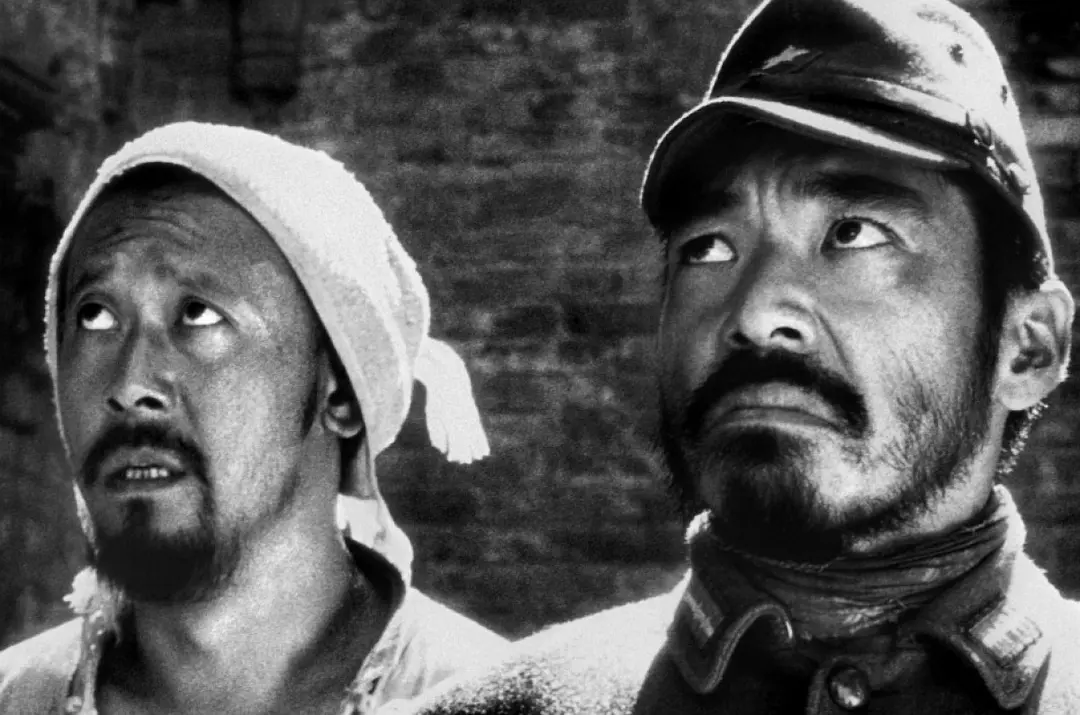
This is Jiang Wen’s best film. Through an extreme story, it examines the tangled relationship between ignorance, servility, and violence.
The infinitely docile “sheep” and the utterly ferocious “wolf”: all the black-and-white imagery builds toward that final moment, when a head falls and a single vivid red becomes the only color the eye can truly register in that monochrome world.
Watching it, the first feeling is astonishment that Chinese cinema once reached this height. Only later did I learn that Jiang Wen was banned for seven years because of this film, and that knowledge casts a shadow backward over everything in it.
3. Blade Runner 2049 (Denis Villeneuve, 2017)
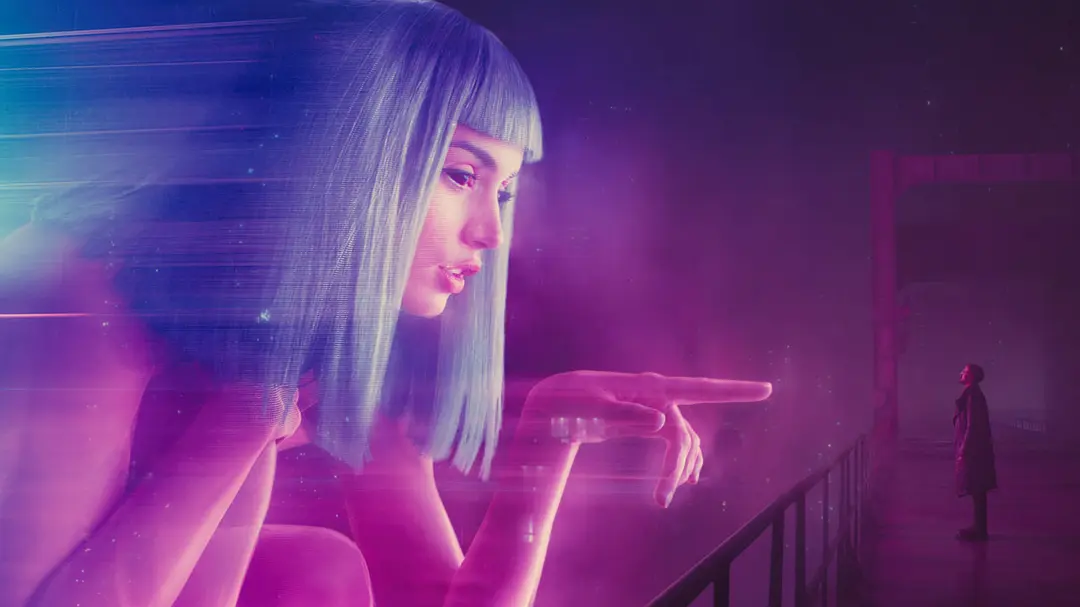
This is a film with an unmistakable temperament: severe, poetic, saturated with end-of-the-world loneliness. Whether it is the orange haze over the wasteland or the rain-soaked nights sliced by neon, the grandeur of the visuals is constantly set against the smallness of the individual, producing an atmosphere that is both intoxicating and alienating.
Part of its fascination comes from the fusion of Philip K. Dick’s science-fiction foundations with Villeneuve’s deeply human sensibility. At heart, it is an inward search for identity. Villeneuve often lets image and sound do the work of dialogue, and that restraint makes the emotional transmission feel purer.
The film touches a classic philosophical question: if memory and emotion can both be manufactured, where does the boundary of the human lie? When K is stripped of everything and still makes the most human choice of all, the mixture of cruelty and tenderness becomes one of the most profound forms of beauty science fiction has offered.
2. The Great Buddha+ (Huang Hsin-yao, 2017)
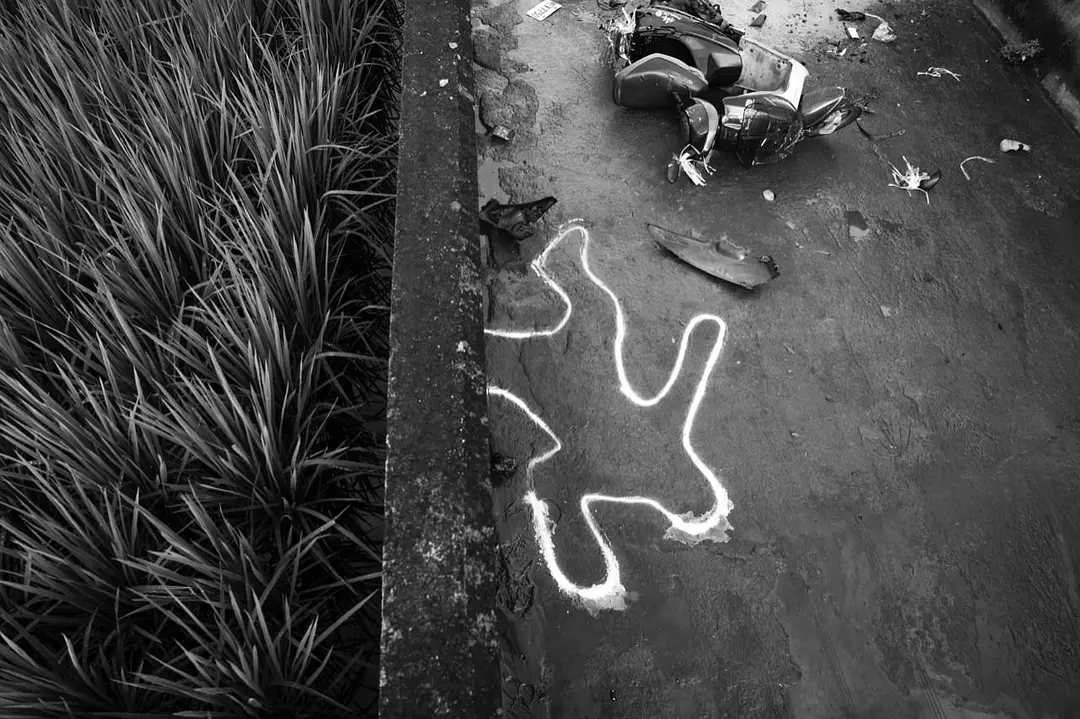
This may be the most piercing film about class division I have ever seen. The rich move through a world of pleasure and spectacle, and can commit violence without restraint even in front of a Buddha statue. The poor can only glimpse that colorful world through a dashboard camera, and in the end one of them dies because he cannot bear the burden of his own conscience.
The wealthy do not simply control the distribution of material resources. They can even transfer the psychological cost of their wrongdoing onto those at the very bottom of society. Through the contrast between black-and-white and color, the film delivers one of the gentlest and sharpest cuts reality has ever received on screen.
It presses on your social conscience and asks whether you are capable of giving real attention to the silent corners where people struggle unseen.
1. Platform (Jia Zhangke, 2000)
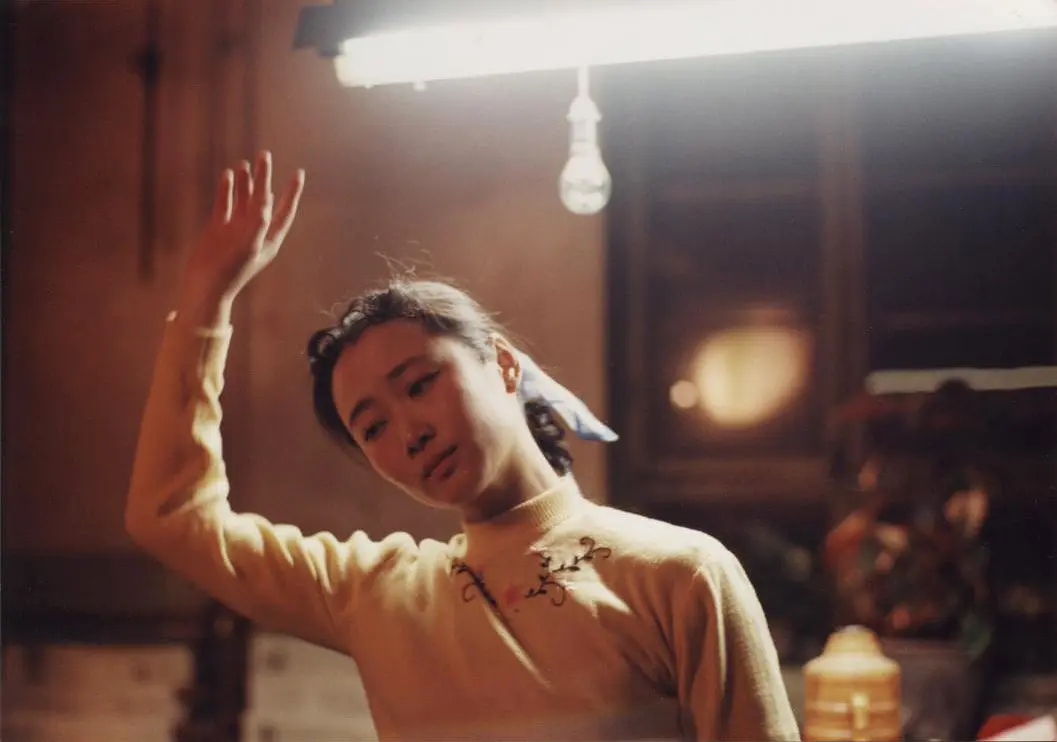
This is the most personal choice on the list, and I give it to Jia Zhangke without hesitation. The more of Jia’s films I see, the more I understand why he always belongs to his hometown. The people of the era he lived through, the local textures of life, even the particular light beyond the mountain ridge, all carry his entire imagination of elsewhere.
Platform is one of the defining works of Jia’s early period. It is a film about China in the 1980s, but also a film about China now. Young people in the 1980s were filled with emptiness and boredom; amid the waves of reform, hometown, community, and youth itself were all stamped with the same mark. Ordinary lives were folded by history, then expanded, split, and transformed.
One scene resonates with me especially deeply: in youth, on a lonely platform, waiting in solitude, shouting with excitement toward the direction from which the train will come. We will all leave home eventually, and perhaps only meet again twenty years later.
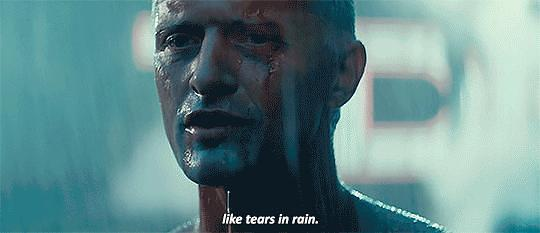
Zero. Tears in Rain
I often think of the replicant’s monologue at the end of Blade Runner. For me, the full meaning of cinema is contained in it:
I’ve seen things you people wouldn’t believe.
Attack ships on fire off the shoulder of Orion.
I watched C-beams glitter in the dark near the Tannhäuser Gate.
All those moments will be lost in time,
like tears in rain.