Yes, I really did end up with a “nervous disorder” of sorts—cardiac neurosis. 😅
What made it so exhausting was that the symptoms felt terrifyingly real: pounding heartbeat, chest pain, cold sweats, weakness, dizziness, and that awful sense that something catastrophic was about to happen. For half a year, I kept bouncing between hospitals, tests, and departments before anyone finally gave it a clear name.
How it started
Around October last year, I would occasionally get a brief stabbing pain in my chest. It came and went, so I didn’t pay much attention.
Then one night in November, everything changed.
I was already asleep when a neighbor came home late and slammed the building door shut. The sound insulation in this rental is basically nonexistent. My dog instantly went into full alarm mode and started barking like crazy, which jolted me awake out of deep sleep.
The moment I woke up, my heart started hammering. I had sharp chest pain, broke out into a cold sweat, and felt weak all over. I waited for it to calm down, but it didn’t. The feeling kept building until I genuinely thought I might be dying. I even considered calling an ambulance.
In the end, I decided to go to the ER myself since the nearest hospital was only about ten minutes away.
The first round of hospital visits
I woke up my very confused partner and we went to a nearby hospital. In the emergency department they did an ECG and checked my blood pressure. The doctor said there was nothing obviously serious, then told me to register and wait.
I remember getting number 008 and thinking that eight people ahead of me sounded manageable. Then I got to the waiting area and realized the reality was much worse: there were still dozens of patients left over from the previous night, only one emergency consulting room, and only one doctor.
That was devastating.
I sat there waiting, and it felt like they couldn’t even get through one number in half an hour because so many people were coming back after tests for follow-up review. Just seeing that queue made me feel even worse. I could barely stand, and all my symptoms intensified.
I checked another hospital nearby and saw it wasn’t far, so after some hesitation I decided to leave and try my luck there instead. It felt like if I stayed where I was, the sky would be bright before my turn came.
The taxi ride only took a little over ten minutes, but it felt endless. Oddly enough, my symptoms had already started easing by the time I got there. At the second hospital, there was no line at all and I got in quickly, but after looking at the ECG from the first hospital, the doctor said it didn’t look like an emergency issue and told me to come back the next day to see cardiology.
That was discouraging, but since I was feeling somewhat better, I went home instead. By the time I finally got back and tried to sleep again, it was after 3 a.m. Even then, I kept waking up over and over until morning.
The next day I took leave from work and went back. They drew blood and did another ECG. Again, I was told there was no major problem. Because I kept waking up from sleep, they prescribed a sedative and sent me home.
Later, when I had another stretch of waking repeatedly and couldn’t sleep, I took half a pill. I was worried about side effects, but it did knock me out.
Still, I didn’t feel like I had an answer.
That weekend I went to yet another nearby hospital. More CT scans, more ECGs, same result. Nothing significant. The doctor suggested I might try traditional Chinese medicine to “regulate” my body.
There happened to be a TCM clinic near my place, so I went. After hearing my symptoms and checking my pulse, the doctor said he didn’t detect a heart issue but thought I had a weak spleen and stomach. He basically said that at my age, a heart problem was not the first thing he would suspect. After reviewing my previous ECGs, he felt even more certain.
So I got a prescription and started taking herbal medicine.
That was the beginning of a miserable relationship with bitter decoctions. Drinking that stuff every day was torture.
A few relatively stable months
For the next few months, I kept taking the herbal medicine, went swimming, exercised, and made myself get into bed by 10 p.m. every night. Things became more stable.
But not normal.
I still often startled awake just as I was getting sleepy. I also woke from dreams a lot. I kept drinking the herbal medicine until the end of February, after coming back from the New Year holiday.
By then the symptoms had become less obvious. I couldn’t tell whether the medicine was helping or whether I had simply adapted, but overall I felt okay. I still had occasional discomfort, yet it had become something I was used to.
Then March arrived. 😭
The second flare-up
One day in March after dinner, I suddenly started burping repeatedly and then ended up vomiting. The vomiting continued for several days.
Then all the worst sensations came back: palpitations, cold sweats, weakness, and that same near-death feeling.
So the medical tour started again.
I first went to the emergency department of another hospital and got medication for my stomach and for nausea. Then I made an appointment with neurology, because the previous cardiac workup had shown nothing and I had seen people online mention neurasthenia or nerve-related issues.
The neurologist took one look at my prior heart tests, saw there was no obvious cardiac problem, prescribed sleeping pills, and sent me home.
Honestly, it didn’t feel very responsible.
At the same hospital I also saw gastroenterology to investigate the vomiting. I was tested for Helicobacter pylori and that came back normal. Then they gave me some probiotics and sent me away. That visit did not inspire confidence either.
A third trip, and still no real answer
I took the medication from that hospital for a week and got absolutely no improvement. If anything, the over-the-counter antacid I bought at the pharmacy near my apartment worked better, because at least the vomiting stopped after I took it.
But the afternoon weakness and sweating didn’t improve at all.
So I went back to the first hospital, this time during the day instead of through emergency. The process was much smoother.
They did an abdominal ultrasound, an ECG, and blood tests. This time they found low potassium and mild cholecystitis. The doctor said all the vomiting had probably left me weak and unsteady. I got more gastrointestinal medication and was told that if things didn’t improve, I would need a gastroscopy.
On the cardiology side, they still couldn’t find a concrete problem, but they prescribed medication intended to support the heart anyway.
At the time, I thought this was finally more reliable than the earlier visits, so I went home feeling fairly hopeful.
The worst attack of all
I kept taking the medication and just dragging myself through each day.
Then came the Friday before April 1.
The contrast was almost funny in a cruel way: the year before, I had proposed to my partner on April 1; this year I was heading for the hospital.
After work I already felt drained. Once I got on the subway, I started sweating. Then I felt something was wrong, and soon after that the dizziness hit. I didn’t think I could hold on, so I got off the train to get some air.
As it happened, I came out at Jiangpu Road, right by Xinhua Hospital. I remember thinking, well, isn’t that convenient.
I staggered toward the hospital, but once I got downstairs to the emergency building, I hesitated. I’d already gone to the ER multiple times without getting any real answers. I also had a follow-up appointment scheduled at another hospital the next day and my partner was away at a work team-building event.
So I stood downstairs trying to catch my breath. A few minutes later I felt a little better and thought maybe the episode had passed, so I called a taxi to go home.
Ten minutes later the car arrived. A few minutes into the ride, everything came roaring back.
I told the driver to turn around and go back to the hospital, and I messaged my partner with the bad news.
That ride back was the most miserable episode I had the entire time. I had no strength left at all. My clothes were soaked through with sweat. My head was spinning. Even the driver looked rattled by how bad I seemed.
After what felt much longer than it really was, we finally reached Xinhua Hospital.
I have to say, the ER process there was genuinely good.
At triage, after I explained what was happening, they first did an ECG and checked my blood pressure. The ECG was again normal, but my blood pressure had climbed to 160. They registered me as level III urgency, while standard emergency cases were level IV, so I only had one patient ahead of me in the same triage level.
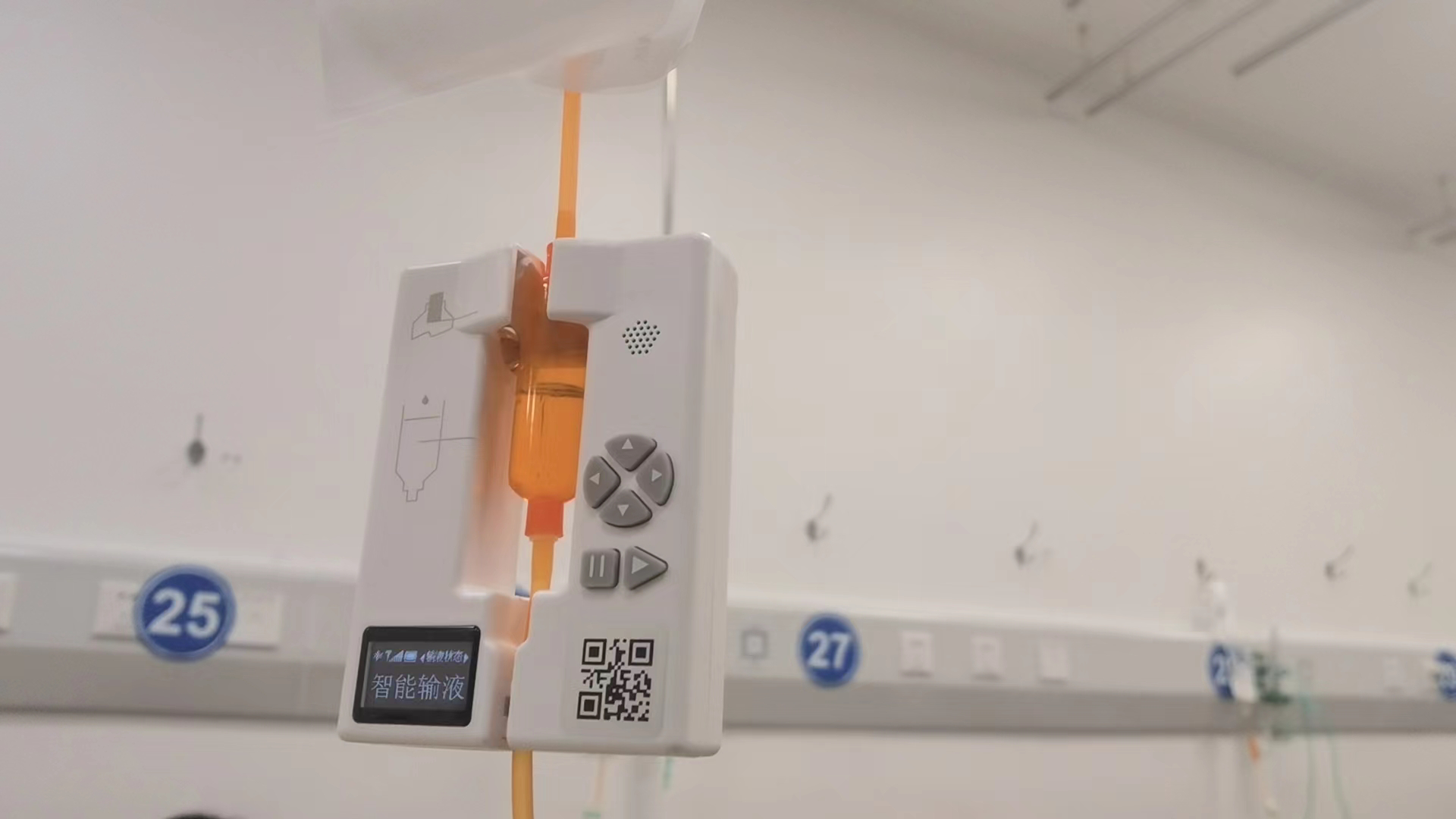
Then it was the familiar package again: blood tests, CT scan, and IV drips. I was given two bags—one saline, one for heart-related support. My partner rushed over from the team event to stay with me, which I was deeply grateful for.
After all that, by around 1 a.m. I finally felt human again and went home.
I also booked specialist appointments there, both for cardiology and gastroenterology.
Waiting, testing, and finally getting a real diagnosis
While waiting for those specialist appointments, I still had episodes of palpitations and that awful sense of impending doom. The difference was that by then I was calmer about it. I stopped running to the ER every time it happened and just sat quietly until it passed.
Then came more than ten days of tests: a Holter monitor, ambulatory blood pressure monitoring, enhanced CT, and finally a gastroscopy.
At last, things became clear.
What they found in my digestive system
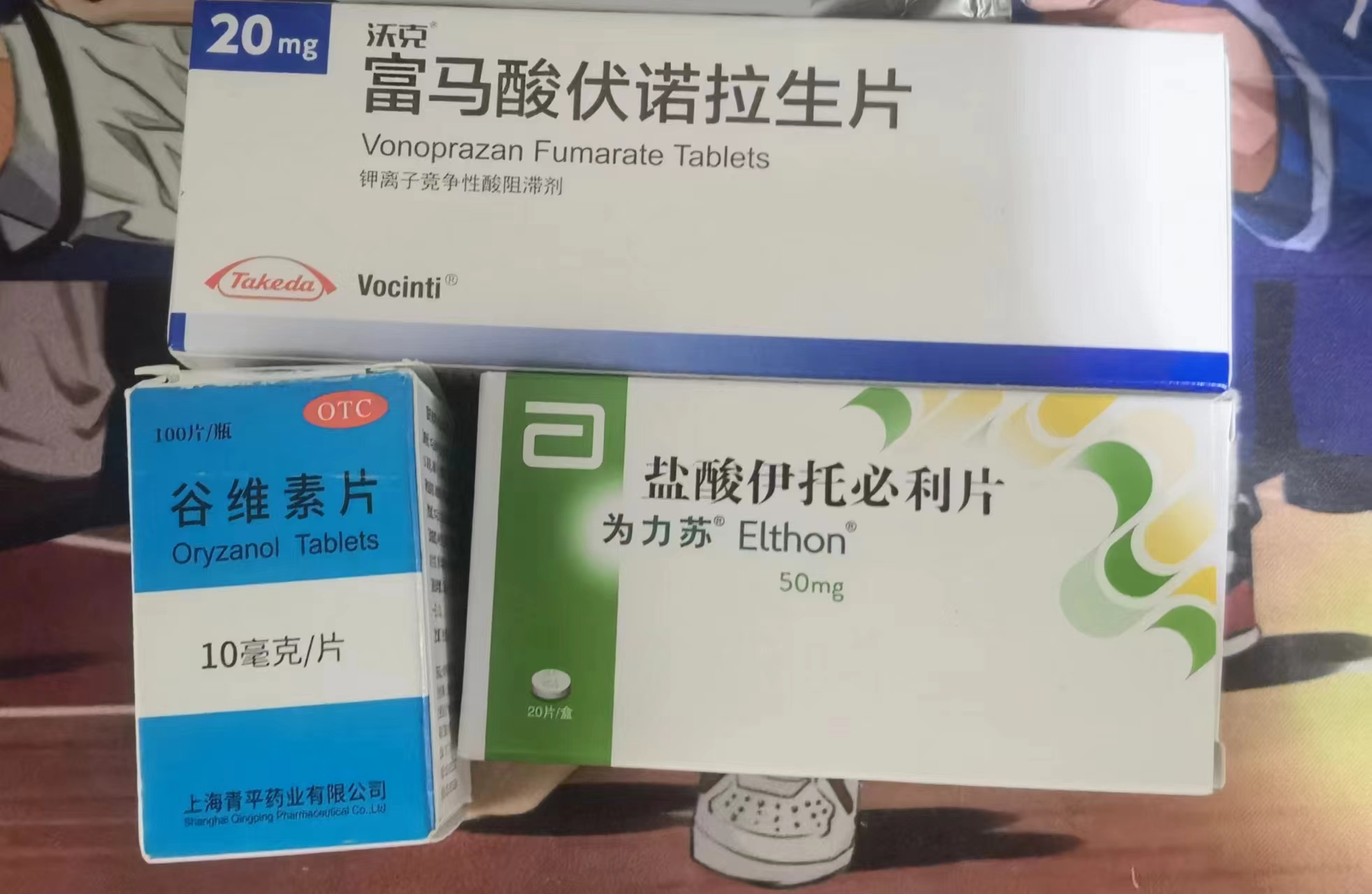
The gastrointestinal diagnosis was reflux esophagitis, antral gastritis, and bile reflux. The doctor prescribed vonoprazan fumarate tablets and itopride hydrochloride tablets.
After that, the vomiting stopped. The belching also eased off and has basically disappeared.
What they found about my heart
On the cardiac side, the specialist did a thorough workup and confirmed that there was no structural heart disease.
That was the final conclusion I had been chasing for months:
cardiac neurosis.
The symptoms look like cardiovascular dysfunction, but the heart itself is not structurally damaged. It falls under autonomic nervous system dysfunction.
When I looked it up afterward, the match between the description and what I had experienced was almost exact.
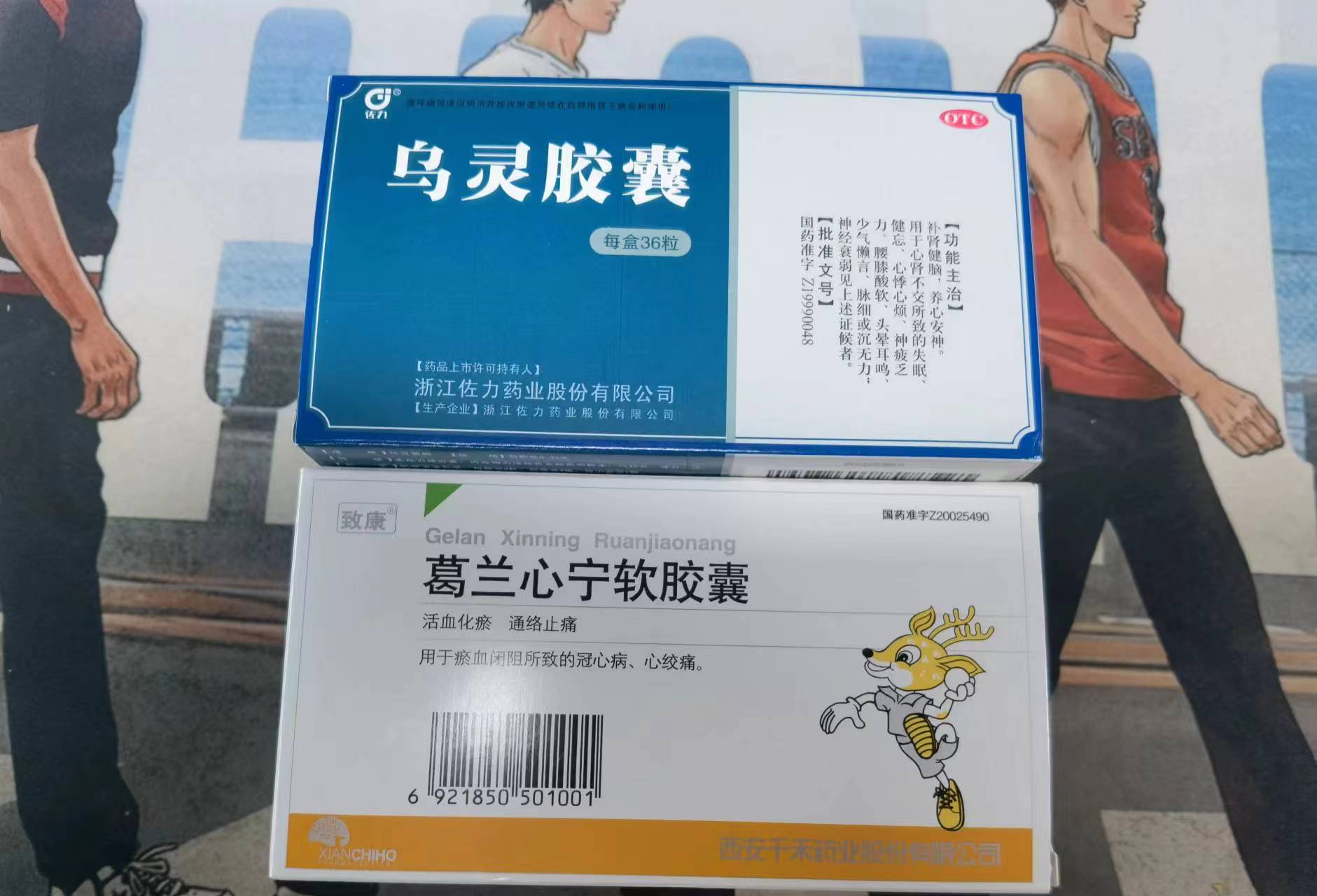
The doctor changed my medication. I first took oryzanol and Wuling capsules, and after two weeks there was obvious improvement. At a follow-up visit, the oryzanol was replaced with Glanxinning soft capsules because the doctor said it wasn’t ideal to stay on oryzanol for too long.
Now I feel much lighter again. At night I no longer get the sweating and limb weakness. The only thing is that I still become weak pretty easily with exercise, so I’ll need to build my strength back up gradually. 💪
After six months, this is what it felt like
It took six months of being tormented by symptoms before I finally got a diagnosis that actually explained what was happening.
What frustrated me the most was this: several hospitals kept telling me there was “nothing wrong,” but couldn’t explain why I felt so terrible. Some would prescribe medication for coronary disease almost by default, and that was it. By contrast, the later workup finally ruled out organic heart disease properly and gave the problem a name.
The worst part of this condition is the feedback loop. The more attention you pay to it, the worse it feels. Then the worse it feels, the more you fixate on it. It becomes a vicious cycle.
At this point, the plan is pretty clear: exercise more, reduce psychological stress, and use medication as support.
Also, one last thing—during the gastroscopy, I wanted to see how many seconds I could stay conscious after the anesthesia started. I didn’t even finish the thought before I was completely out.