Punctuation is one of those things we start learning very early. By second grade, most of us have already been taught what each mark means and how it should be used. And yet, even after college, a surprising number of people still do not use punctuation correctly.
There are probably two reasons for this. First, punctuation is treated seriously in primary and secondary school, but once people enter university, very few courses continue to require careful language use, so the pressure drops. Second, modern life leaves less room for writing, and as people write less overall, their ability to write well also weakens. When writing itself becomes less common, punctuation naturally gets less attention.
That is why many people have grown used to an internet-style way of writing: one sentence per line, or even half a sentence per line, turning a running list of thoughts into something that looks like poetry. In that kind of environment, being able to place commas, periods, question marks, and exclamation marks correctly is already pretty good.
Still, punctuation can completely change the tone and meaning of a sentence. Imagine a group of parents chatting, and someone praises Mrs. Wang’s child for being really pretty. If you respond in one of these three ways — “Pretty!”, “Pretty?”, or “Pretty…” — you are actually sending three very different messages. The first one is the most appropriate: it sounds affirmative and shows agreement with the previous remark. A questioning tone may make Mrs. Wang push back immediately, while an uncertain tone may cause her to frown right away.
That is true in speech, and it matters even more in writing. Proper punctuation helps express meaning accurately, keeps the logic clear, and makes reading smoother. I also run into punctuation problems in my own blog posts from time to time. Sometimes it is accidental, and sometimes I am simply not fully confident, especially when a sentence is long and structurally complicated.
So I am putting this punctuation chart here both as a way to review the rules myself and as a useful reference for anyone else who needs it.
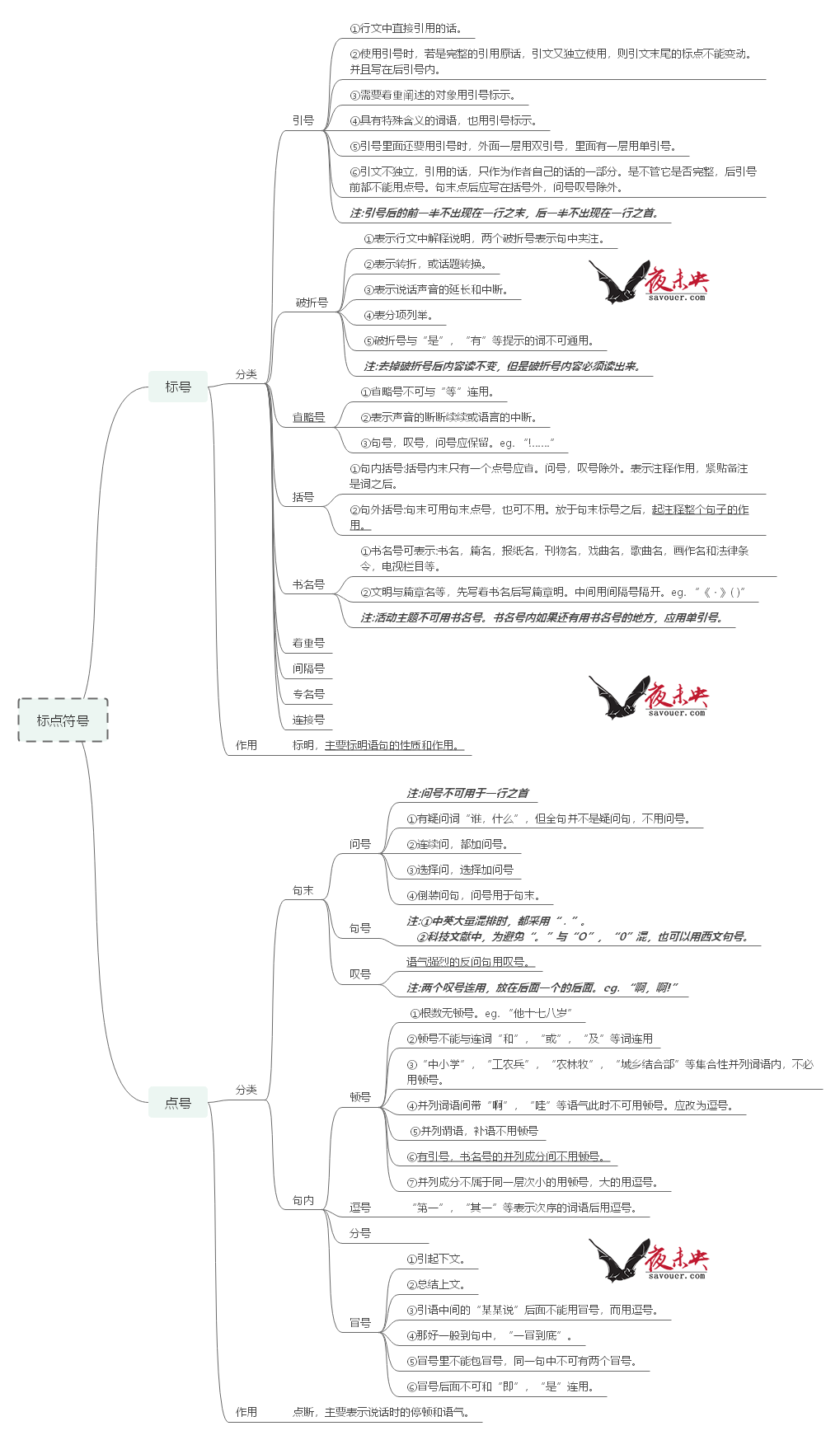
The use of Chinese punctuation marks
The image above can be clicked to enlarge.