The New Year’s break finally came. Three days only, but enough to slow down, reset, and give myself some breathing room before work starts again. Tomorrow I plan to get out and wander somewhere—change the scenery, and put a lighter punctuation mark at the end of this year.
By the time I looked up, 2025 was already at its end and 2026 had arrived. The year took me through a failed graduate school entrance exam, from campus into the workplace, from student to someone paid to own results. I earned my first real paycheck, and the rough edges of naivety got sanded down by reality. I learned in practice and kept moving through setbacks. This year, I finally stepped onto a road that felt like mine.
Looking back, there were low points and turning points, confusion and certainty. I wanted to record what I gained and lived through, partly as a summary, partly as a note to my future self. I did not expect this piece to take eight days to write.
Places I Kept Returning To
Memory arrives late. We often notice the fragrance we left behind at dawn only when dusk has already fallen. Things we lost in the cracks of time, even if filled in years later, feel like bright paint applied to dead wood—no longer able to stir that first pure ripple. Fate never promises permanence; it wears down our senses amid impermanence. We chase distant places while we have them, then learn how to appreciate them after they are gone. It is a paradox: when the recklessness of youth is still in us, we cannot read the value of the present; when we finally have eyes sharp enough to see through the world, the unguarded spark has already been spent across too many toasts and dinners. Some landscapes are completed only by regret; some things become visible only through farewell. One day, sitting alone by the window, watching everything loosen in the flow of light, I realized the mountains I once thought I could never cross had already become a quiet dark ridge behind the boat.
I scrolled back through my photo album, starting from 2024, and walked the year again.
Yellow Crane Tower
I spent much of this year looking backward. I used to say 'when I have time' as if time were an infinite account. Later I realized many casual 'some other day's become gaps that can never be filled.
I remembered the shameless swagger of student days, especially the moment I rushed out of the exam room after the graduate entrance exam. I felt I had broken free of chains. Even the wind by my ears felt light, and the rain had a careless dash to it. I did not yet understand that time does not wait. I played games in the dorm, slept, and let whole stretches of time dissolve in front of a computer.
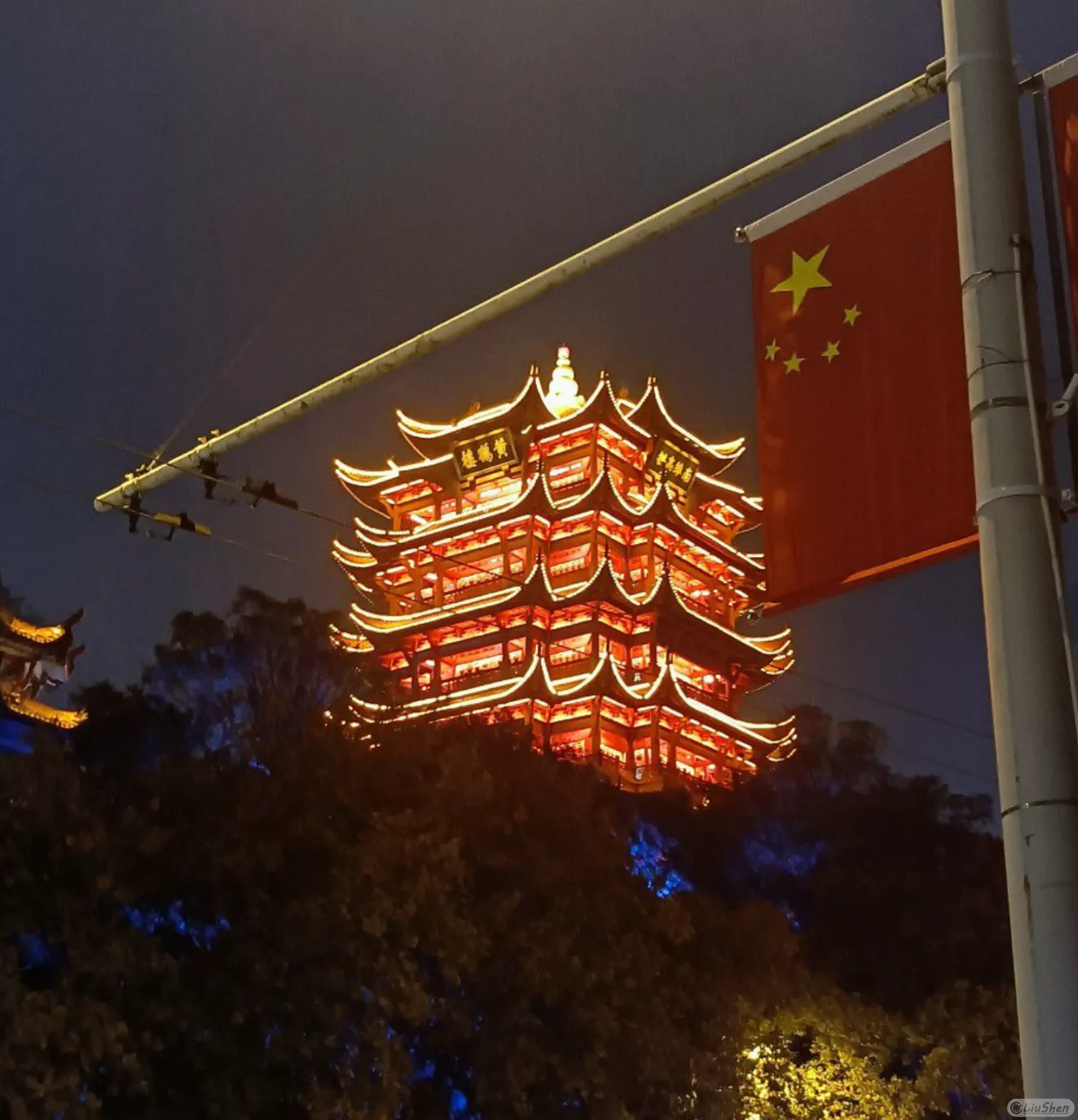
I remember arriving in Wuhan and wanting to visit Yellow Crane Tower, to feel what the old poets felt. I got there too late; the gate was already closed. I was not especially sorry. I thought, I am close by—there will be another chance. Who would have guessed that 'next time' would become a permanent gap? Later, buried in work, I thought of that unclimbed tower late one night while working overtime. The version of me who could spend time so freely had been left in yesterday, and another trip to Wuhan had become distant and uncertain.
East Lake
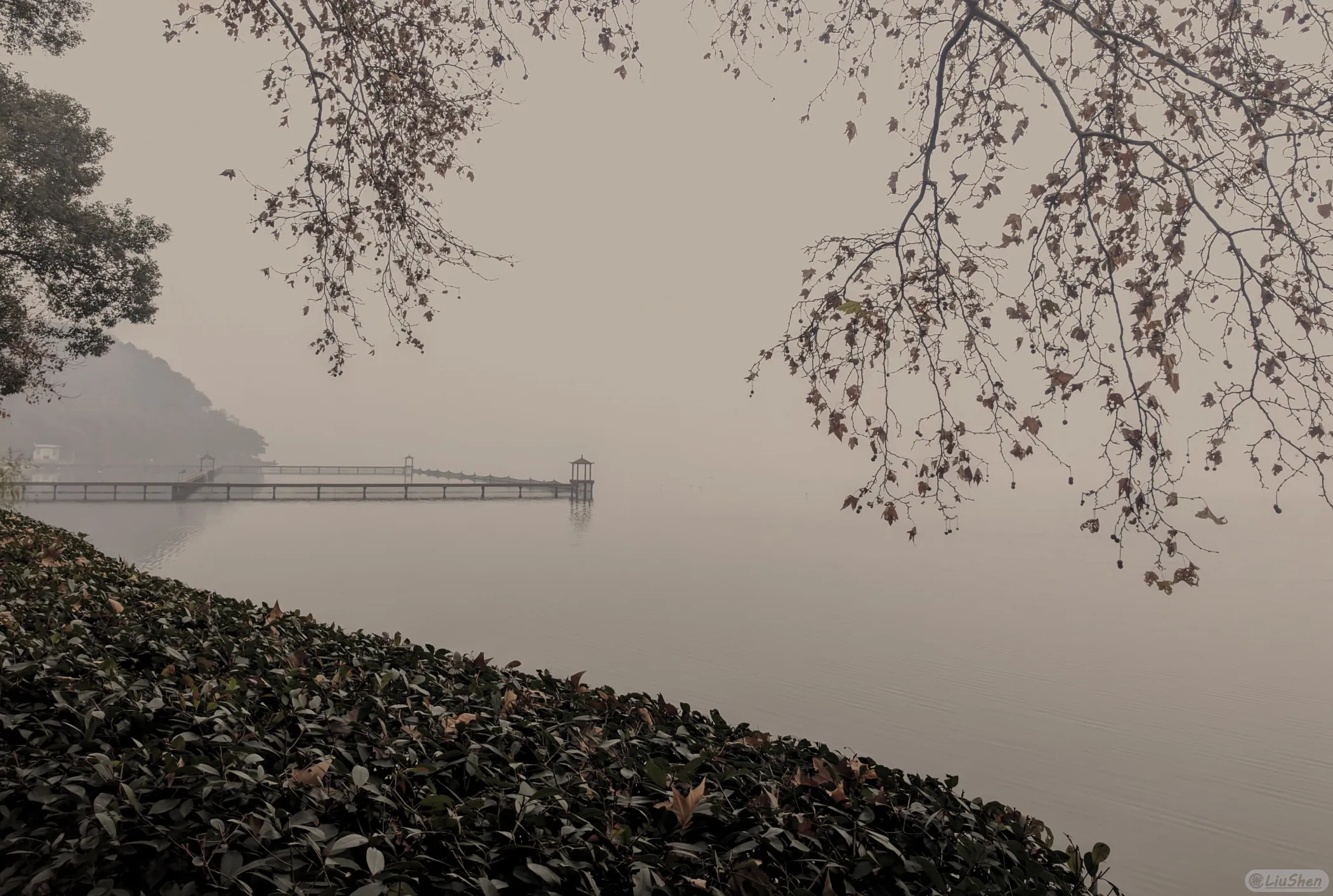
Compared with the missed tower, East Lake was the place I visited most in those years. As a poor student, I liked that it had no entrance fee. It was the obvious destination.
I still cannot forget riding around the lake with roommates. We usually set out at six in the evening from Wuhan University of Technology, letting the Yangtze wind hit our faces. That wind carried a particular dampness and could blow away the heat. We sweated through our shirts, but it felt like more than sweat—it was as if a week's fatigue was leaving through our pores. I felt light enough to fly.
Back then I thought school was exhausting and kept wishing to graduate. Only after I started working and spent days at an office desk racking my brain did I realize that the 'not tired' of work can leave you emptier. I began to envy the freedom of those days: little money, but plenty of time to hop on a bike and ride to the river for wind. The tiredness of that time contained a pure kind of happiness. I just had not learned to lower my head and smell the roses.
Hubei Provincial Museum
My memories of Hubei Provincial Museum have worn nearly smooth. What remains clear is the shock of the Sword of Goujian. The blade's cold gleam, separated from me by glass and thousands of years, pulled me into the depth of history. After that, I began to like museums.
It is a little funny: I was born in Shaanxi, a place with history under every footstep, but the first museum I entered was in Wuhan. The famous Shaanxi History Museum became my second stop, after I returned home. From the Hubei museum onward, I picked up a habit: whenever I visit a city and have time, I go to its museum.
Standing before silent objects and broken pottery, I feel a scale larger than daily chores. It is as if I can fall into the long river of Chinese history and travel across dynasties. That attachment to history may have started on an unremarkable afternoon and quietly taken root in a science student's mind.
Wuhan Zoo
Wuhan Zoo was one of the few places where I actually paid admission in those years. In a budget-conscious season of life, every ticket felt like a small ceremony, making the outing feel formal.
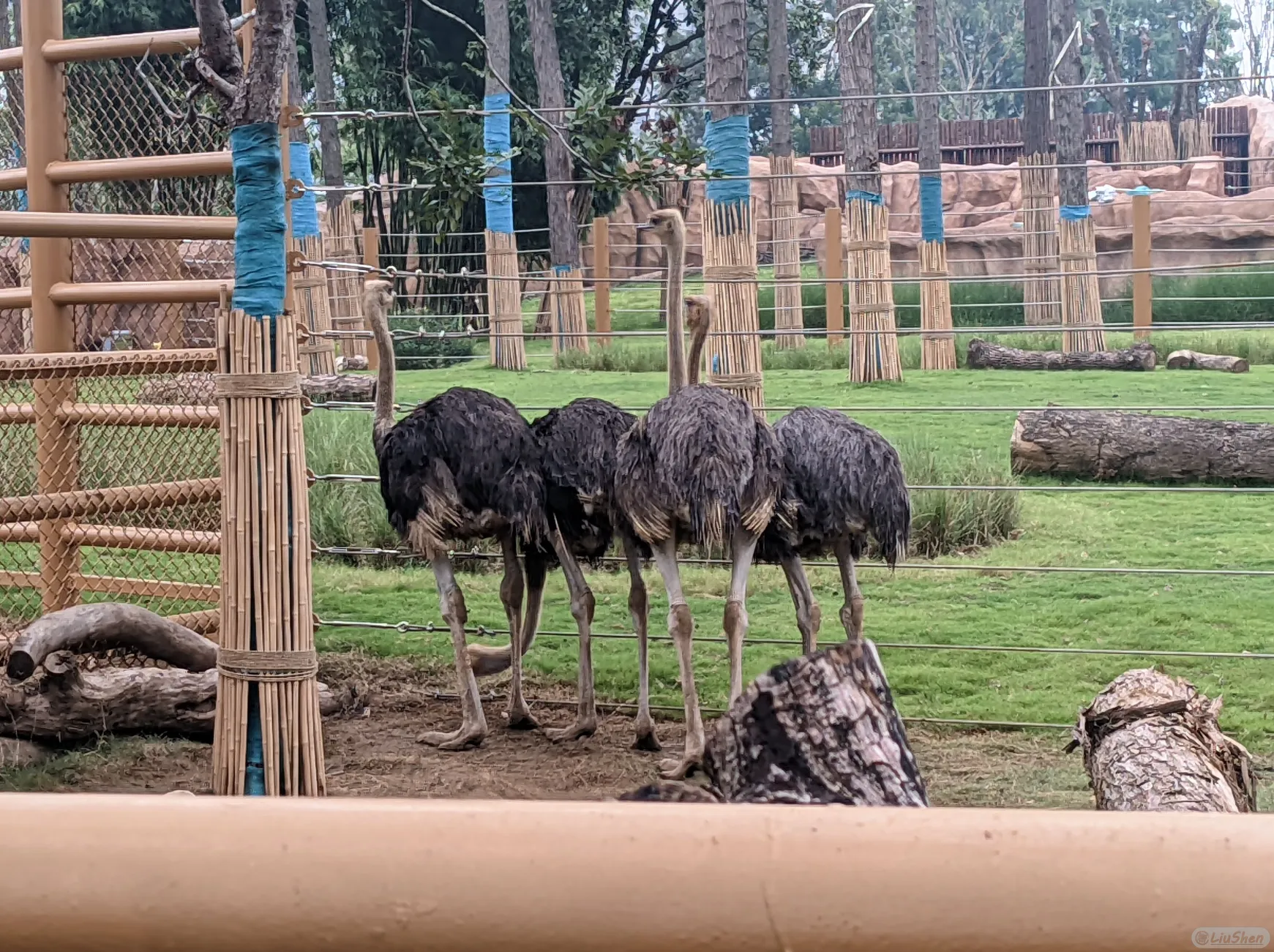
I remember walking through the park and taking the shuttle deeper in, watching the green blur past the window. I missed the panda house that time, and it left a small hollow feeling. Later I had a chance to go to Chengdu, where the pandas made up for that delayed wish.
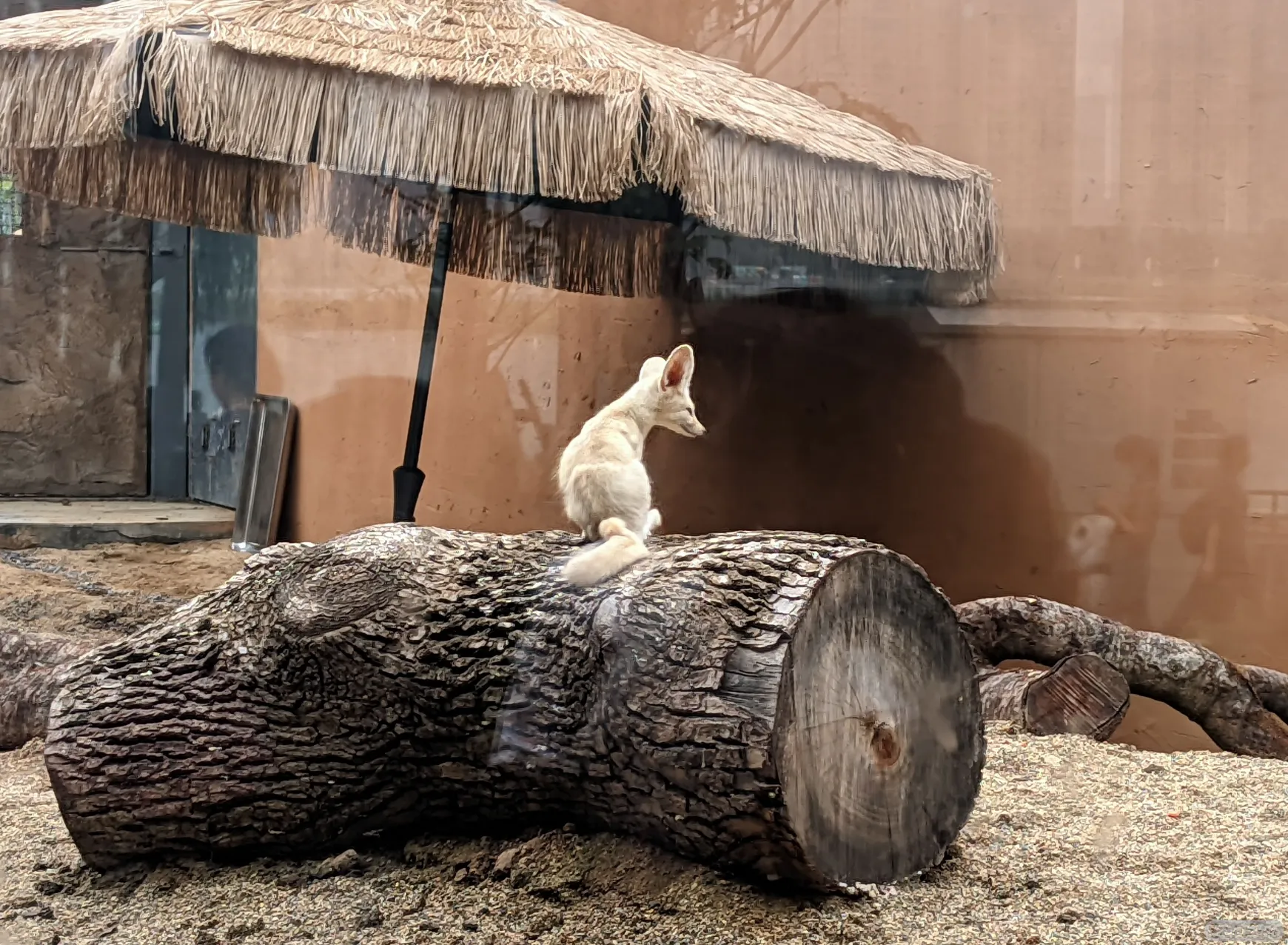
Actually, going to a zoo was less about the animals and more about being wrapped in a crowd's excitement. I still remember the dim lights in the acrobatics hall, animals leaping through rings of fire, and the waves of gasps around me. My mood rose and fell with the flames. That simple joy—being moved by simple things—became hard to reproduce in the tighter life that followed.
Taibai
Occasionally I read essays I wrote back then and realize how many vivid moments I once had. If words had not kept them, many would have been lost in the repetition of work.
I went to Taibai twice. One trip was for the strange heights of Taibai Mountain; the other for the quiet depth of Qingfeng Gorge. The two places are not far apart, but they felt completely different. What I remember most is the coolness. Because of the altitude, summer there seemed cut off by a natural barrier. When the city was unbearable, hiding in the mountains gave real comfort.
The second trip was with my parents. It was the last time before I started work that I traveled with them without any worry. Standing in the cool mountain wind, I did not realize that the days of being protected by my parents and free from earning a living were about to end. That trip felt like the closing ceremony of my student years. On one side I was still dreaming freely; on the other, the noise of the adult world was already faintly audible.
Shanghai
I may have skipped many things in between, but the story's endpoint landed in Shanghai, the so-called 'magic city of the East.'
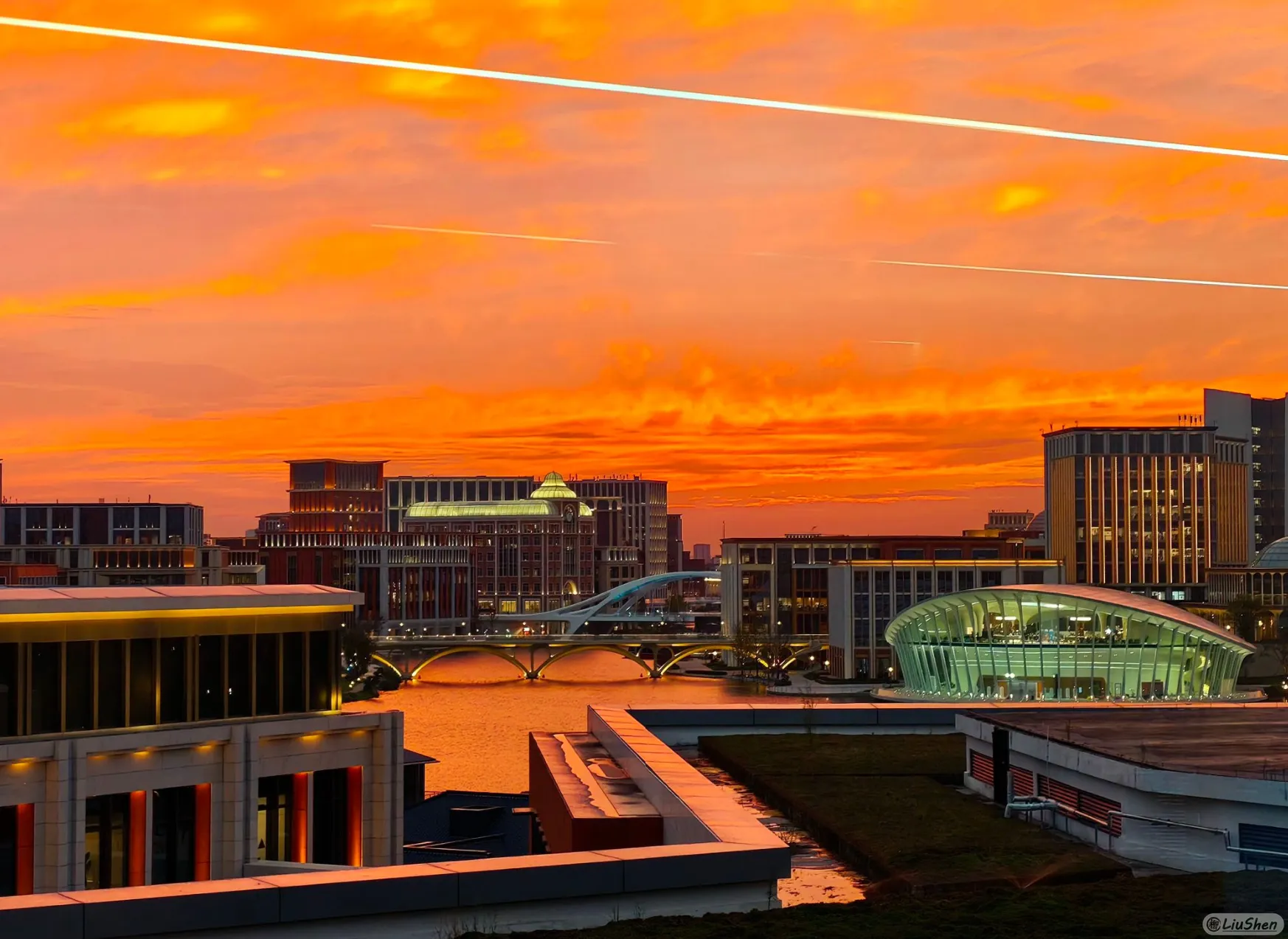
Before I actually set foot there, I was nervous. Around that time, a video of the Oriental Pearl Tower 'attacking' Mixue Bingcheng was circulating online. I knew it was an AI-made joke, but the sense of regional difference still cast a shadow. I even worried that I, an outsider, would be rejected by the city. In my first days in Shanghai I was anxious. Standing on a street full of moving lights, thinking I would have to put down roots here alone, I felt uncertain.
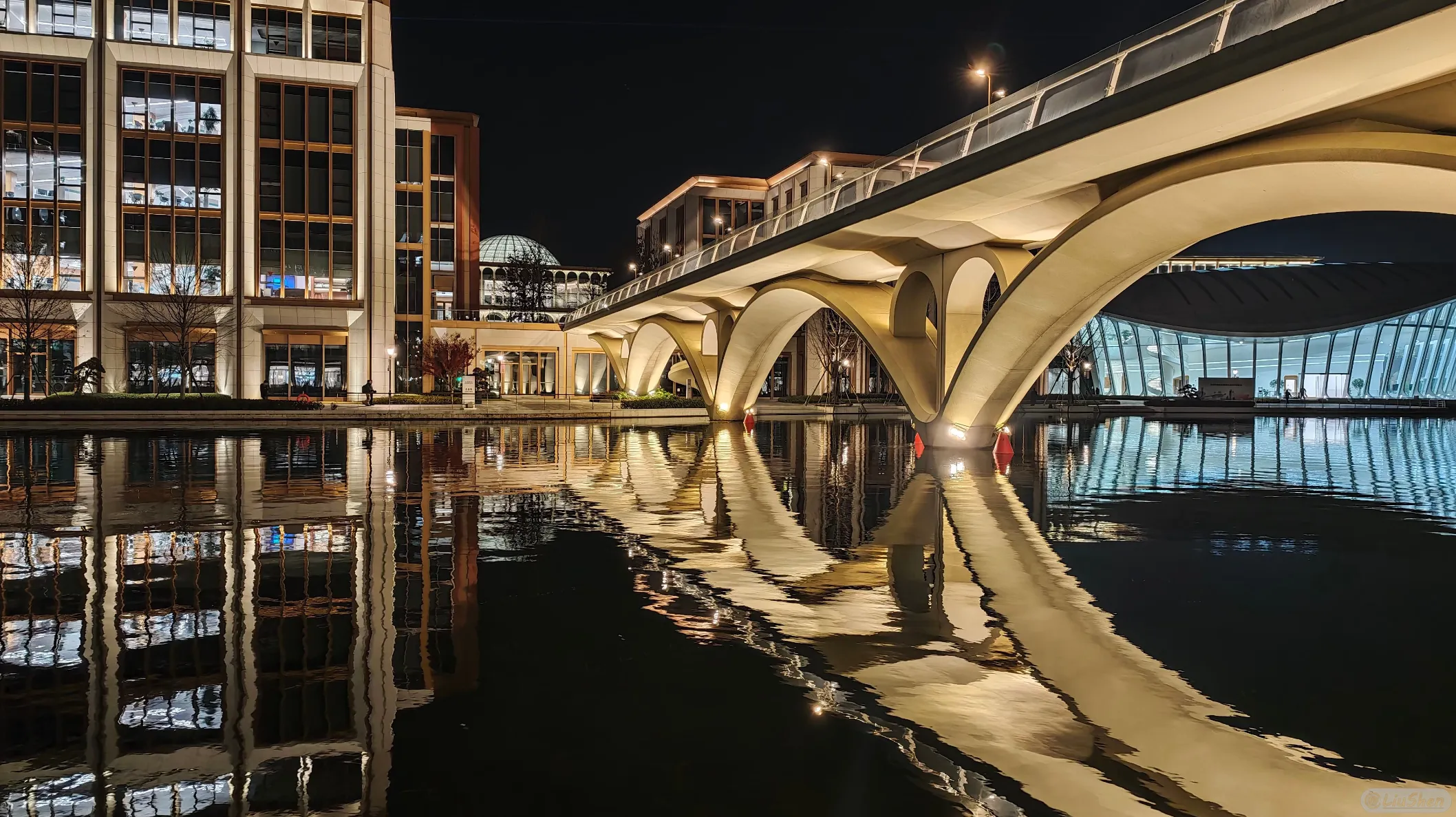
Reality was gentler than my imagination. After I joined the research institute, the colleagues around me were much warmer than I expected. They had no airs. They taught me the basics hand by hand, took me through code and projects, and their willingness to help without holding back loosened the tension in me. Later I realized that most of the 'barrier' was in my head. In that R&D center I hardly met any Shanghai locals. Everyone had come from somewhere else—Sichuan, Guizhou, Yunnan, Shandong...
The small office area was like a miniature map of China. We carried different accents and spoke different kinds of Mandarin, but we wrote the same logic in code. In that seemingly cold city, there were countless souls like me—anxious at first, then warmed by one another. The fear of 'far away' faded, and I found a new coordinate for my life in this city.
Chengdu
People are made of flesh and blood; no one escapes homesickness. Barely a month after joining in Shanghai, when I heard there was a chance to go to Chengdu on business, I agreed almost without hesitation.
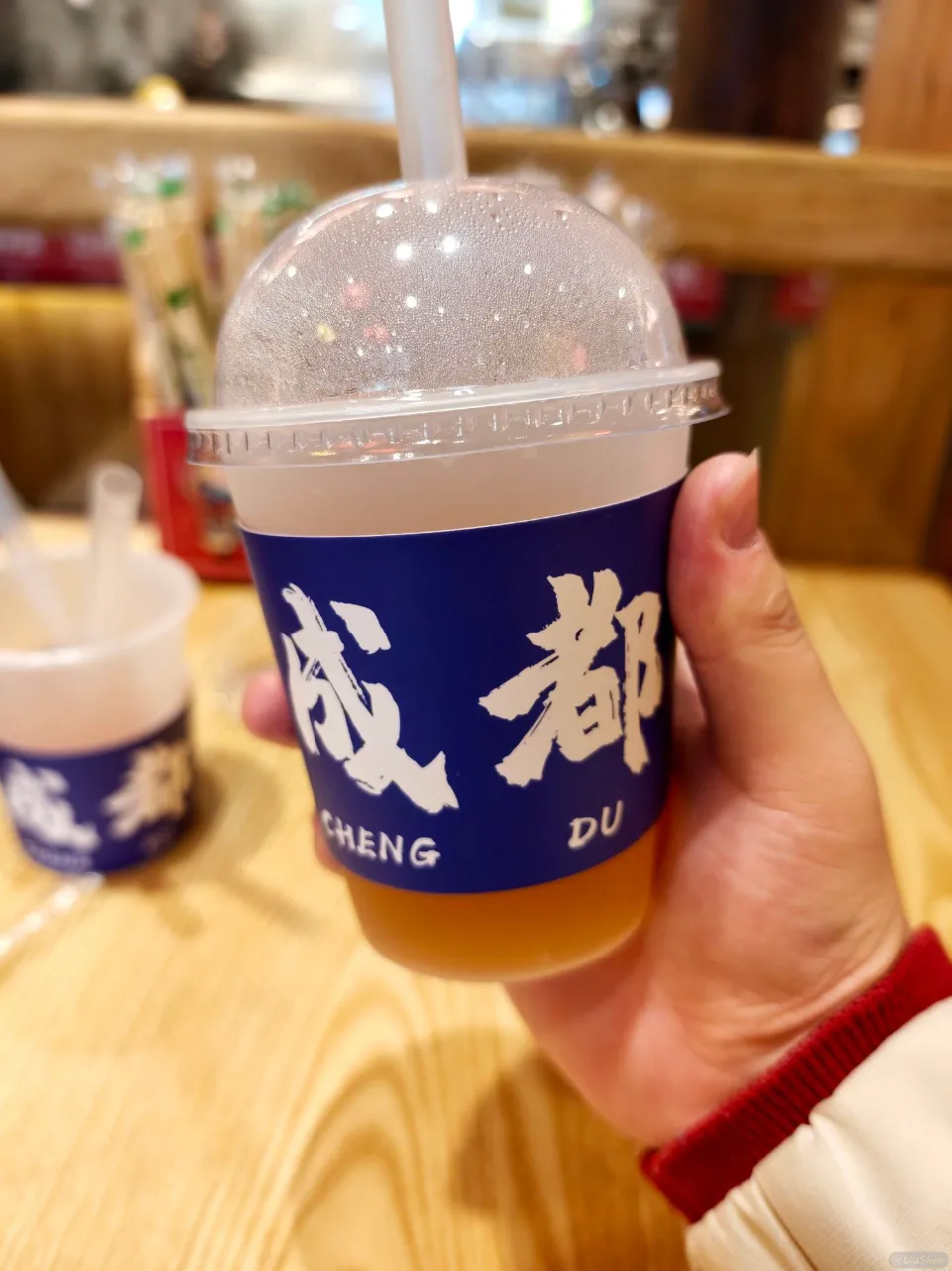
There was no other reason: Chengdu is close to home. A high-speed train of just over two hours could bring my parents to me. If I missed home on a weekend, a ticket could buy a hot meal at the family table. That temptation was enormous. The pace in Chengdu was even tighter than Shanghai, and the atmosphere more competitive, but I did not mind the pressure much. Compared with Shanghai's restrained coolness, downtown Chengdu was reassuringly alive—lodging, food, shopping, all the everyday human warmth close at hand. It made Shanghai seem a little 'thin' in that regard.
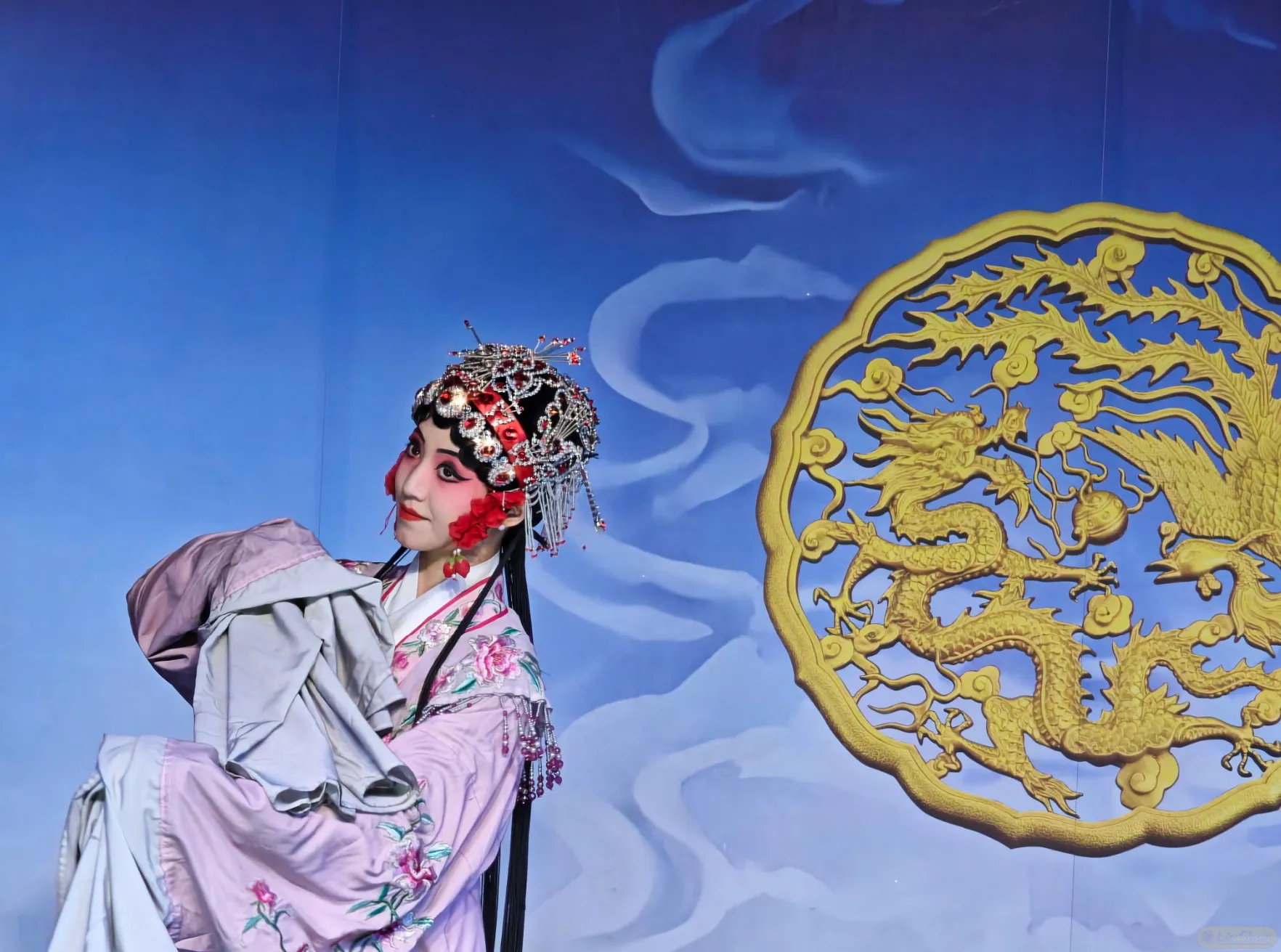
Between work duties, I dragged friends to the Giant Panda Base, revisited history at the Chengdu Museum, felt the city's pulse in the crowds of Kuanzhai Alley and Chunxi Road, and took in the Sanxingdui collection. Those days with my parents gave me a steadiness no high salary could provide.
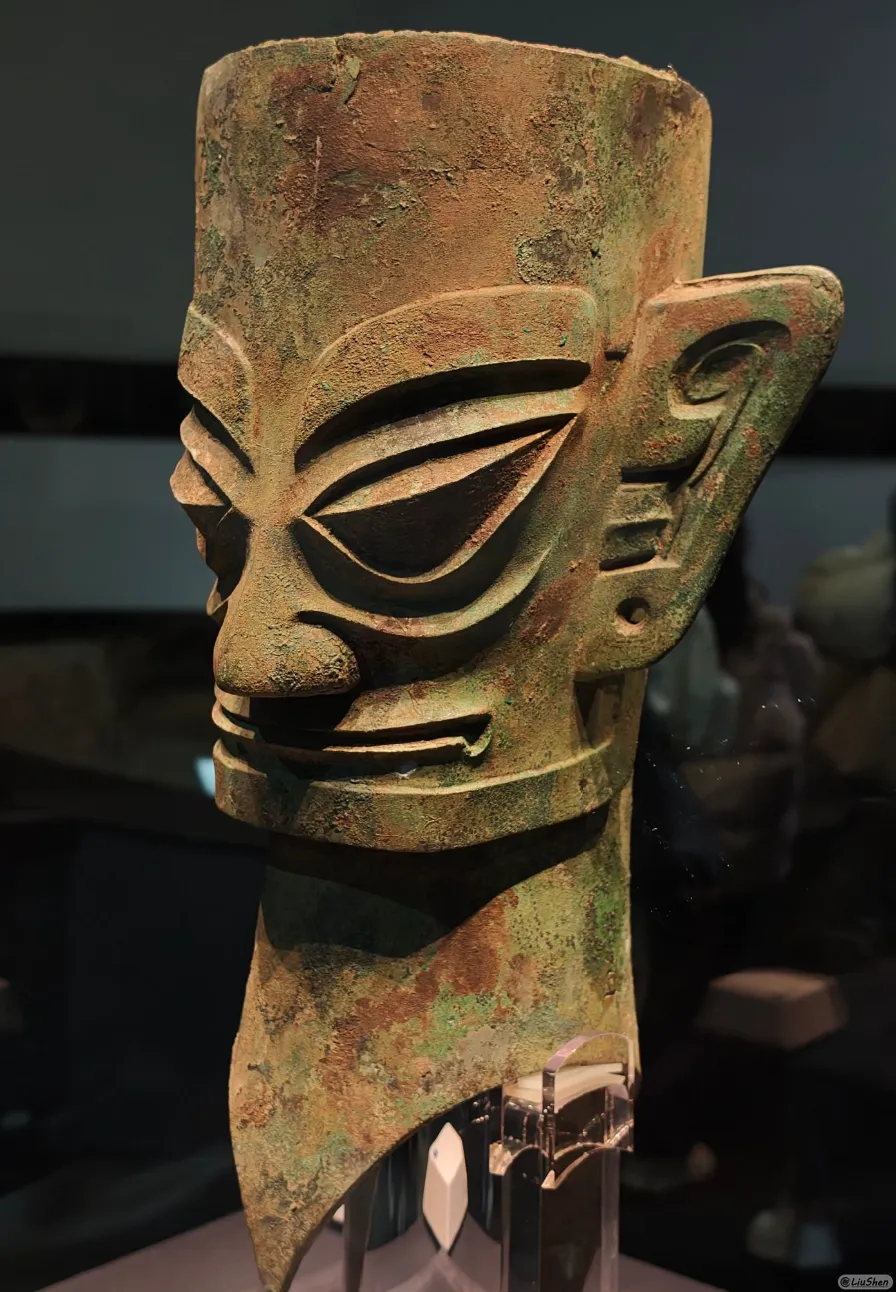
Chengdu was only a short stay for me, not a final destination. When the business trip ended, I packed up and returned to Shanghai to face the endless code. But the trip offered another possibility. I quietly calculated: next year, maybe I could try to apply for a transfer back to Chengdu. After all the bumps outside the door, I found I was more greedy for the oil and salt inside a home, for a life of everyday warmth I could reach at any time.
The Work of Becoming
This year was a practice of gathering fragments from the folds of time. I watched the boy who once slept through dorm afternoons and wasted daylight in games slowly become a social adult who sits at a desk and thinks carefully. The deepest change was not geographical. It was the days and nights woven by code, and the inner breakthrough from 'wanting freedom' to 'carrying responsibility.'
I experienced the awkwardness of being a workplace beginner. Through the example and guidance of seniors, I felt for the first time the weight of turning logic into reality. I also tasted what it is like to handle complexity alone. In every project review and technical hurdle, I finished another round with my own childishness. The evenings that disappeared under keyboard clicks and the late-night self-examinations in a foreign city became hard bricks in my first experience of adulthood.
I learned to say goodbye to the aimless looseness of the past and to find a small but firm anchor between pressure and hope. I moved from 'I can go wherever I want' to 'I go where I must for my family.' Looking back, the fears and exhaustion that once circled in my head became, step by step, a calm confidence.
The Older Generation
In my memory, few of the oldest generation of close relatives remain. My grandfather passed away before I was born. My grandmother left during my sophomore final exams, when pandemic controls blocked the roads and I could not get back to see her one last time. That night I hid under the covers in the dorm, buried my head in the pillow, and cried silently. I did not want anyone to see my weakness, but the pain of permanent separation was impossible to hold back. Not being able to see my grandmother off became a knot I could never untie.
Of the oldest generation now, I remember my maternal grandmother and grandfather most. In recent years their health has often failed. First my grandmother was persuaded to take a COVID vaccine and then fell ill for a long time. Soon after, my grandfather's lung problems became life-threatening.
Around this year's Spring Festival, my grandfather was at his worst. He was confused and kept talking nonsense. To pull him back, my uncles, aunt, and parents took turns guarding him in the hospital around the clock, using the best equipment and drugs available. I stayed home to look after my grandmother. I was not at the hospital, but my heart stayed suspended.
During that time I followed my grandmother constantly, afraid something else might happen to her. Watching her ask a fortune-teller about my grandfather's chances made me feel terrible. She looked calm on the surface, almost as if she did not care, but I knew she was the most anxious, the one most afraid of losing him. She was used to pressing her emotions down; that was how she fought the unpredictability of life. Sometimes I wondered whether I could have her kind of toughness.
Fortunately, my grandfather pulled through. He has recovered a great deal. In the face of life and death we are so powerless, yet we must learn to bear it. The crying hidden in a pillow and my grandmother's silence as she sought divination were both our family's most wordless, deepest attachment. So: cherish what is in front of you, and treasure the people who are still here.
Job Hunting
Job hunting took a long time this year. Shanghai was not my first choice at the beginning, so I kept looking at other opportunities. I applied to Intel, Tencent, Microsoft, ByteDance, Alibaba—almost all the big names. The results were not ideal: either I failed the interview, or the pay and role did not fit. During that period I even looked at defense companies and state-owned enterprises. I wanted to try every road.
The most memorable was a military civilian position. My parents thought highly of it—stable and respectable. I took the exam and was surprised by my score: twice the cutoff, first for the position, leading the second-place candidate by sixty or seventy points. On paper it looked settled. Unfortunately, my weight did not meet the hard standard, and I had to walk away. In that moment, besides regret, I actually felt a small relief. I know I am somewhat 'lazy' by nature, and the highly disciplined military management might not have suited me. Giving up that ranking was also a kind of release.
After going in circles, I joined Huawei. Before I arrived, I imagined I would do something grand here. After joining, I found it is indeed a stage for strivers. If you are willing to settle down, there is endless knowledge and room to grow fast. It is tiring, but the feeling of improving every day made the detours feel worthwhile. At Huawei, growth is not a slogan; it is a practical fight that answers you if you put in the effort.
Graduation Season
About graduation, I still carry some unspoken regrets. As class monitor of Artificial Intelligence 2102, I never properly stood on stage before everyone scattered to tell my classmates what was in my heart. I had thought of making a graduation dinner map, marking where everyone would go, so that if I visited their cities later we could meet and catch up. But everyone was busy leaving, and the plan was shelved. I told myself I would contact them after they settled down. What I most wanted to say that day was: 'See you at the summit.' That sentence held a four-year class monitor's best wishes for everyone.
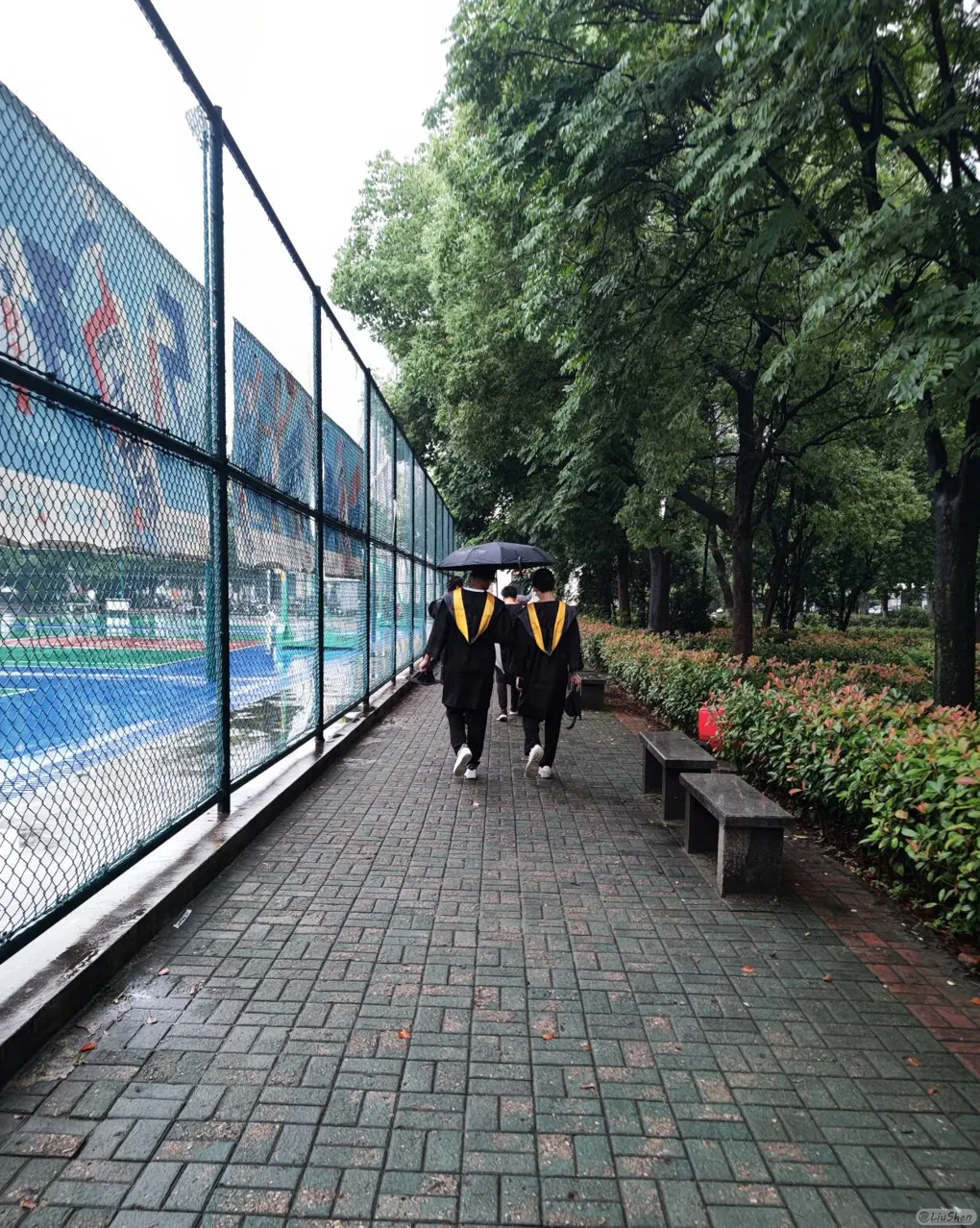
What I was most reluctant to leave was the bunch of jerks in my dorm. We joked and fought, and on the surface none of us cared. When we parted, not a single sentimental word could come out. I could only wish them bright futures in silence.
Watching everyone go their separate ways, with only me entering work, felt strange. Sometimes I thought I could have tried for graduate school or repeated the exam, but I lacked the courage to burn my boats. I did not dare start a completely unknown life that might fail again, so I chose the safer road. That lack of courage may be one regret at the end of my youth.
The Soundtrack of the Year
The rise and fall of a song often projects the mood of a period. At the turn of the year, NetEase Cloud Music's annual report arrived on schedule. The quantified data was actually the most private emotional track of my year.
The list probably included white noise played on loop late at night to fight loneliness while working overtime, and folk songs flowing through my headphones on business-trip trains as the Qinling Mountains slid past the window. The excited, deep, and cheerful melodies caught every subtle turn in my mood. Music does not lie. It recorded my anxiety when I first arrived in Shanghai and the release I felt in the street life of Chengdu.
When the melodies sounded, the moments of racking my brain in the office, the anxious waiting in hospital corridors, and the loss of facing an empty dorm in graduation season all seemed to find an emotional exit. Looking at the 'most played song' and 'late-night preference' in the statistics was like examining another self—silent and reserved in the real world, but traveling freely through music. The year's playlist was my footnote to time. No words needed; at each pause between notes, the unspoken past could be read.
Four Seasons
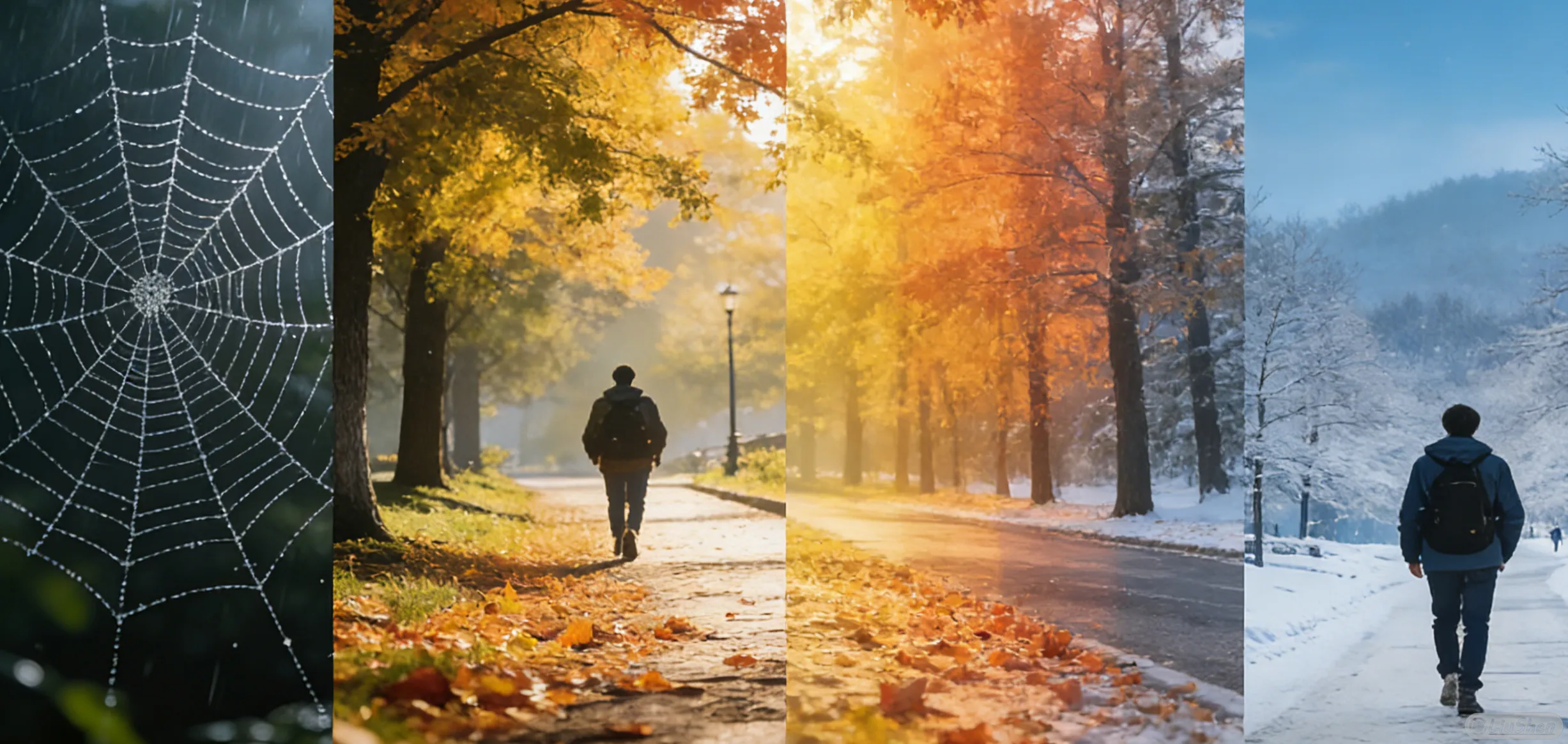
The melodies turned with the seasons, like a golden edge sewn onto passing time.
In spring, the city where I lived had four separate spells of light rain. The fine threads wove a transparent net. In the damp air, I most often listened to 'Desolate Land.' Its slightly broken rhythm matched a hidden struggle before everything revived.
Then summer arrived with twenty-four bright sunny days. In those days filled with sunlight, I sank into Mao Buyi's 'Sleep Talk.' A roommate had recommended it. Its detached singing felt like the last long afternoon we wasted in the dorm.
By autumn, wind became a frequent guest—fifty-four times in all—rolling plane tree leaves across the ground. I found myself still looping 'Sleep Talk,' as if trying to keep a little echo of that summer in the increasingly cold air.
Now winter has come, and the whole city seems to hold its breath for a first snow that has not yet fallen. A song by Zhang Liangying, 'The Ambitious,' entered my playlist. Its lyrics about desire and struggle sounded especially powerful and clear in the cold season.
Playback Chart
Behind the noise of the year, the top of my playlist was an unnamed piece of light music. It had no lyrics to pull me along, but it had the most comfortable warmth. Whenever those quiet melodies spread around me, they held up my small, warm dreams.
My song of the year contended between the haze of 'Drowning' and the resilience of 'Invisible Wings.' Interestingly, 'Flowers in Water' also appeared on the list. In my conscious memory I had no deep impression of it, yet like an old friend who arrives uninvited, it had circulated in my head dozens of times without my noticing. Some melodies do not need to be deliberately remembered; over time they quietly become part of breathing. And 'Sleep Talk,' carrying the memory of summer, remained deep in the chart, murmuring unfinished stories.
Family, Money, and the Shape of Home
This year, home took on a completely different weight in my heart.
When I was younger and more willful, I took my parents' protection for granted. I never noticed that their youth was being worn away by my taking. Only this year, when I truly entered society and received a salary, did I finally have the ability to give them something back—and yet I chose that very moment to go far away. The farther the physical distance from home, the more sharply homesickness bites on holidays.
During the three-day New Year holiday, I stayed alone in my rented room in Shanghai and had no desire to go out. Without work pushing me, facing the empty room, I found there was nothing to do but sit in front of the computer. At home, my parents used to control everything—this was not allowed, that was not to be touched. I found it annoying and wanted to escape. Now no one controls me. I can play games as long as I want and sleep at any hour without a word from anyone. That taste is not good at all.
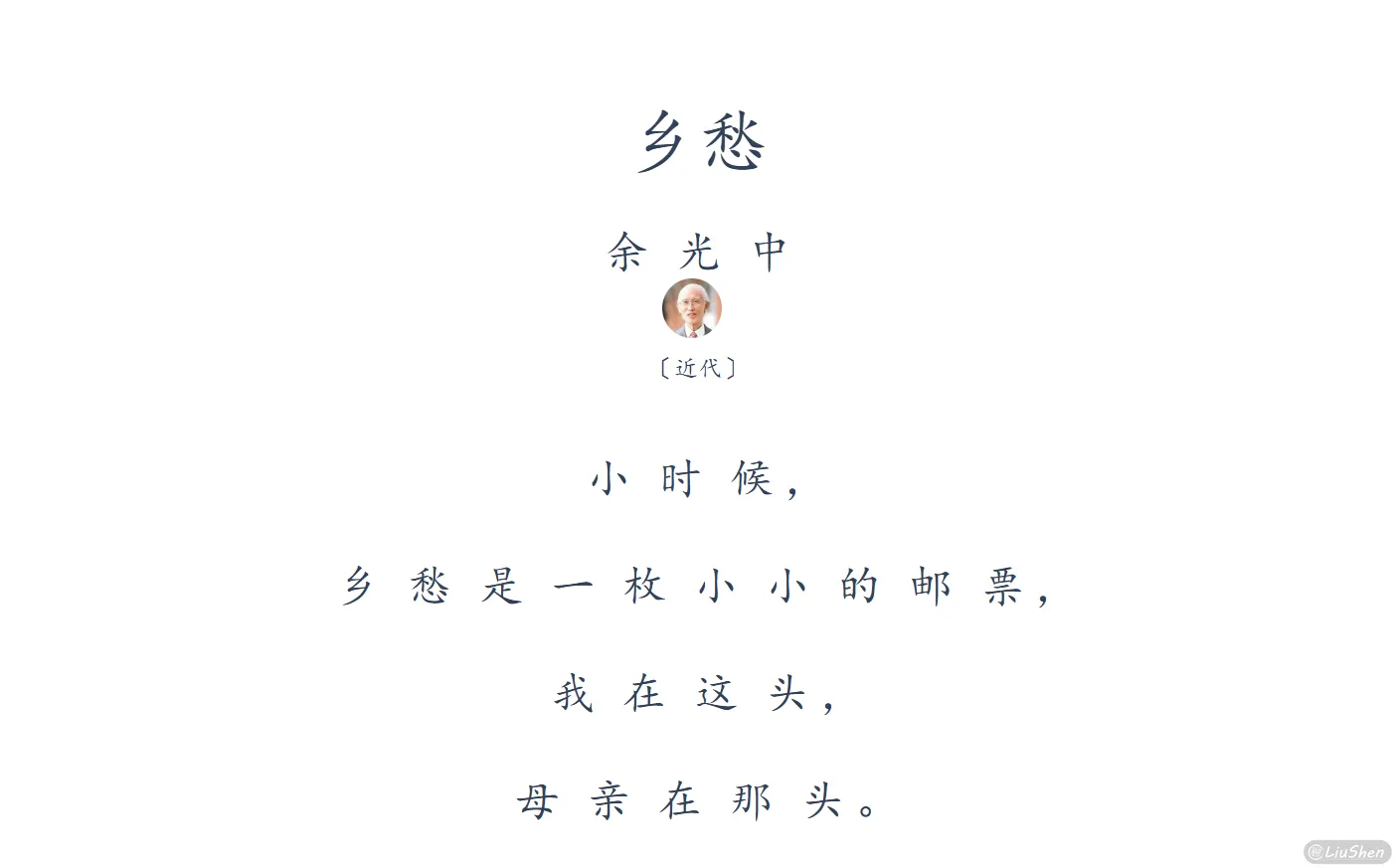
I began to miss the days of being nagged, the hot breath of the kitchen at home. That constrained warmth is what home feels like. The 'freedom' I have now feels more like being dropped alone on a deserted island. Perhaps this is the price of growing up: we must leave the harbor that sheltered us and face cold walls by ourselves. As the poem says, homesickness is a small stamp. I am on this side, looking at home on the other, and for the first time I understand the heavy weight of that attachment.
Money
When I was a student, the pocket money I had was not much, but I spent every bit with a clear conscience. I never felt it carried anything behind it. This year I earned my first real pot of gold. I used it to buy myself a new phone—the first time I had not reached out to my parents for money. That steadiness in my hand was a reward nothing else could give.
After that, I fell into a subtle balance. I began checking my balance out of habit, watching the number grow. The cost was a whole-body tiredness. It was not physical exhaustion. It was sitting all day in front of dense code, handling trivial requests, and walking under streetlights after work with my head buzzing. Only then did I realize every banknote was printed with late nights and lost hair.
I started learning to save, no longer spending freely. Every sum I put away felt like a brick against the unknown. But as the wall rose, I understood it had been exchanged for countless leisurely afternoons. I used to think money was a ticket to freedom. Now I know it is an adult's most dignified armor and also a heavy lock. That tiredness—wallet fuller, head emptier—is probably the most real dividing line between student and social adult.
Yes, after I started earning money, I came home every night with my head buzzing.
What the Year Left Me With
After traveling through so many mountains and rivers, the ups and downs of this year were finally refined into a quiet heart in the fire of time.
Looking back, I was once stuck in old dreams of regret and frightened by distant unknowns. I saw the impermanence of life and death among close relatives and felt the confusion of fighting alone in the workplace. But just as those pieces of light music gave me comfort in the dark, life's underlying tone—no matter how cold—always has a warm color bleeding in unexpectedly.
I began to understand that growing up does not mean becoming invulnerable. It means seeing the truth of life and still having the courage to go upstream. Not becoming slick, but more certain. The lights of Shanghai and the street life of Chengdu both tell me: no matter how hard life is, keep a sea in your heart. That sea is devotion to ideals, longing for distance, and a promise to the boy who once shouted, 'See you at the summit.'
The road ahead may still have unknown storms. I may still feel tired, my head may still buzz, but I will not keep looking back. I want to take the confidence I gathered this year and put down roots in this steel city, to shine in ordinary positions. Even in mud, look up at the stars. Even on a long road, face the sea and set out toward an ideal that never ends.
So—let's work overtime together.