I did not expect that a USB drive would be the thing to eat an entire day.
The company NAS runs OMV, and using it is not exactly pleasant. My boss does not want to spend on a ready-made NAS, so I figured I would try a black Synology build. The only real requirement is LAN shared folders. If the boss ever changes his mind and buys a real Synology, the drives should move over without much drama. That seemed like a reasonable path.

I looked up the process and found it was simpler than I had imagined: prepare a boot USB, then install the image on the NAS. I had assumed it would be a mess.

The actual process still had a trap — possibly the USB drive itself — and fixing that drive cost me a full day.

For the boot drive, the guide recommended a SanDisk Cruzer Fit. I bought a Netac instead, because I was paying for it myself and could not expense the purchase. Saving ten yuan felt worth it; I had bought Netac products several times and assumed a USB drive would be fine.

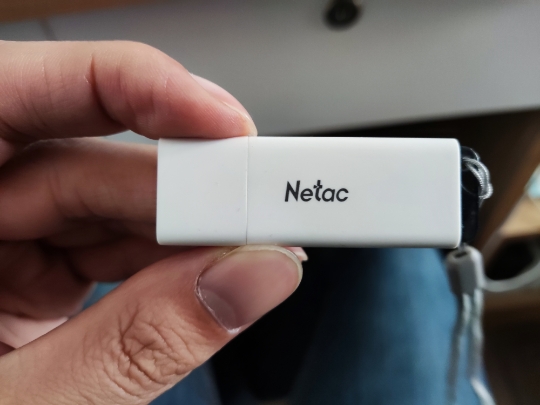
That assumption did not last long. The drive was new, and right after formatting it died. No media. Not readable. I was not prepared for that.

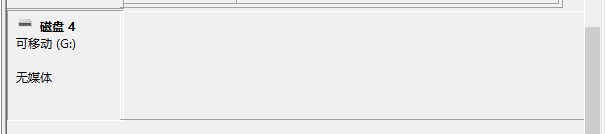
Customer service told me to apply for a replacement, but that felt like a hassle. I decided to try repairing it first — if I could get it working, great.
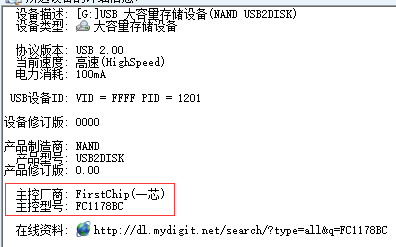
I looked around and learned that a mass production tool might revive it, but I needed the one matching the controller. ChipGenius showed a FirstChip controller, so I went to the official site to download the tool. That sounds straightforward. In practice, I tried many versions from a USB mass production site and none worked. The latest official version finally did.

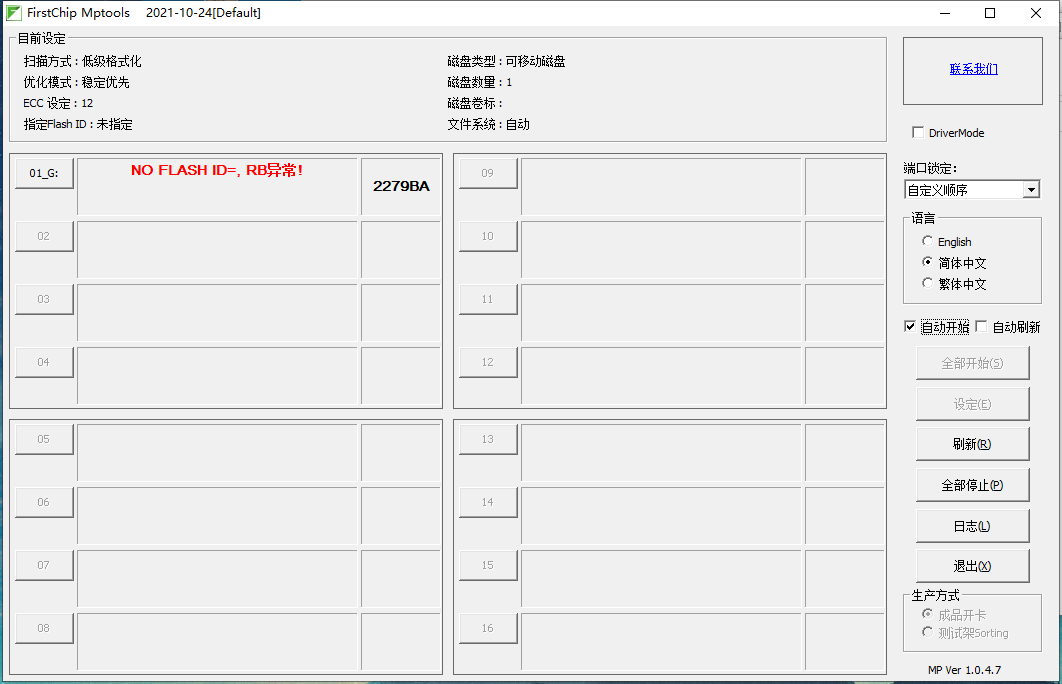
The mass production tool is basically a utility for batch-writing information to USB drives. I ran a low-level format first. It took two hours — I forgot to take a screenshot — and by the end I was suddenly awake again, convinced the drive was back. It was not.

I was not ready to accept that. I searched Baidu and found someone saying to run the low-level format again. Fine. I did it once more. This time it took half an hour. Still no good.

In the end, I gave up. The drive was within the seven-day no-reason return window, and it was probably a quality problem anyway. Even if I managed to repair it, I did not want to deal with a drive that might become unstable later. Better to wait for a replacement.
At least there was shipping insurance.

If you also like this kind of tinkering, feel free to compare notes.