After dropping Coco near her classmate’s place, I had nearly two hours before picking her up at 5:30. They had arranged to play badminton. I looked at the time and started walking without a destination. It was starting to get hot. I’d been too busy lately, and today I didn’t want to do any work at all. Sunday: let myself be idle.
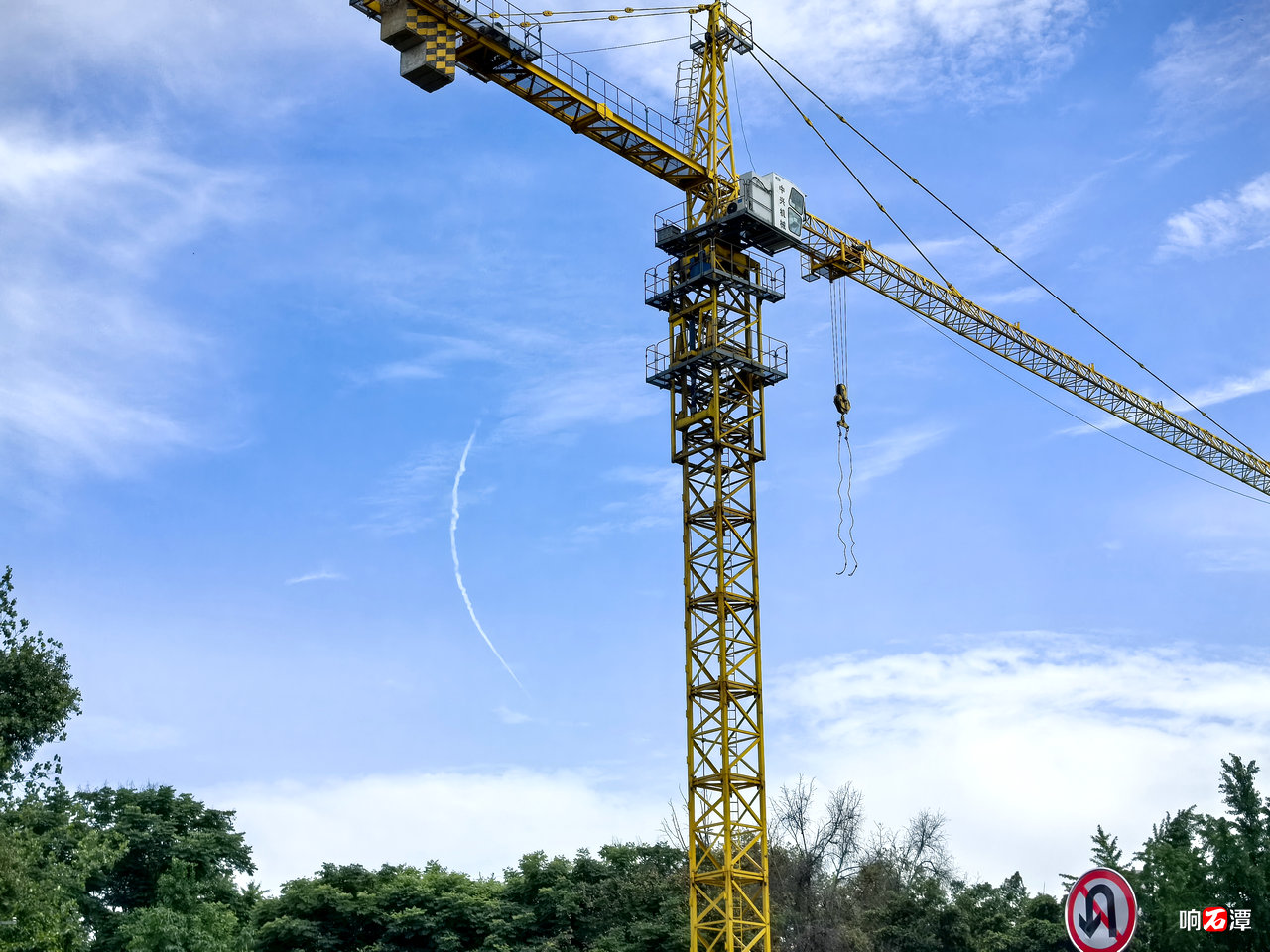
Near People’s Park, the subway construction was underway. Far off, a curve stretched across the sky—the cloud looked almost mischievous, like it wanted a bow and arrow to shoot a great bird. I hadn’t had a good long walk outdoors in a while; it felt great. This good weather and good time of year make me want to rough up the excess fat a little: more exercise, bring down the visceral fat that’s too high.
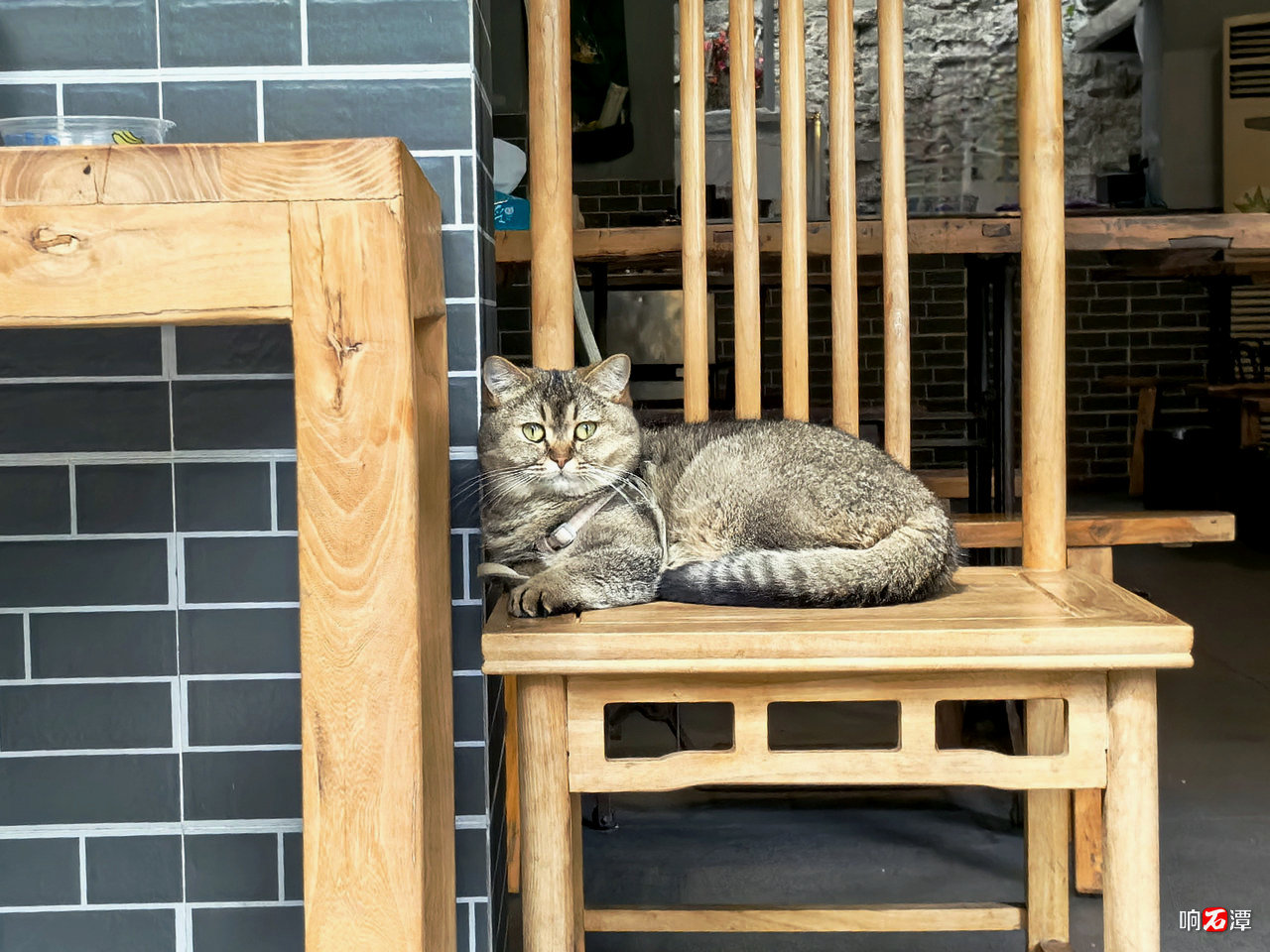
On Jinli West Road, a big cat sat at the entrance of a restaurant. It must be eating well—wide-eyed, chubby, very cute. I wanted to go over and ruffle it; it looked like it would feel nice. Chengdu has a lot of small animals on the streets, and many are remarkably polished—dressed up, pretty. Their owners clearly put thought into them.
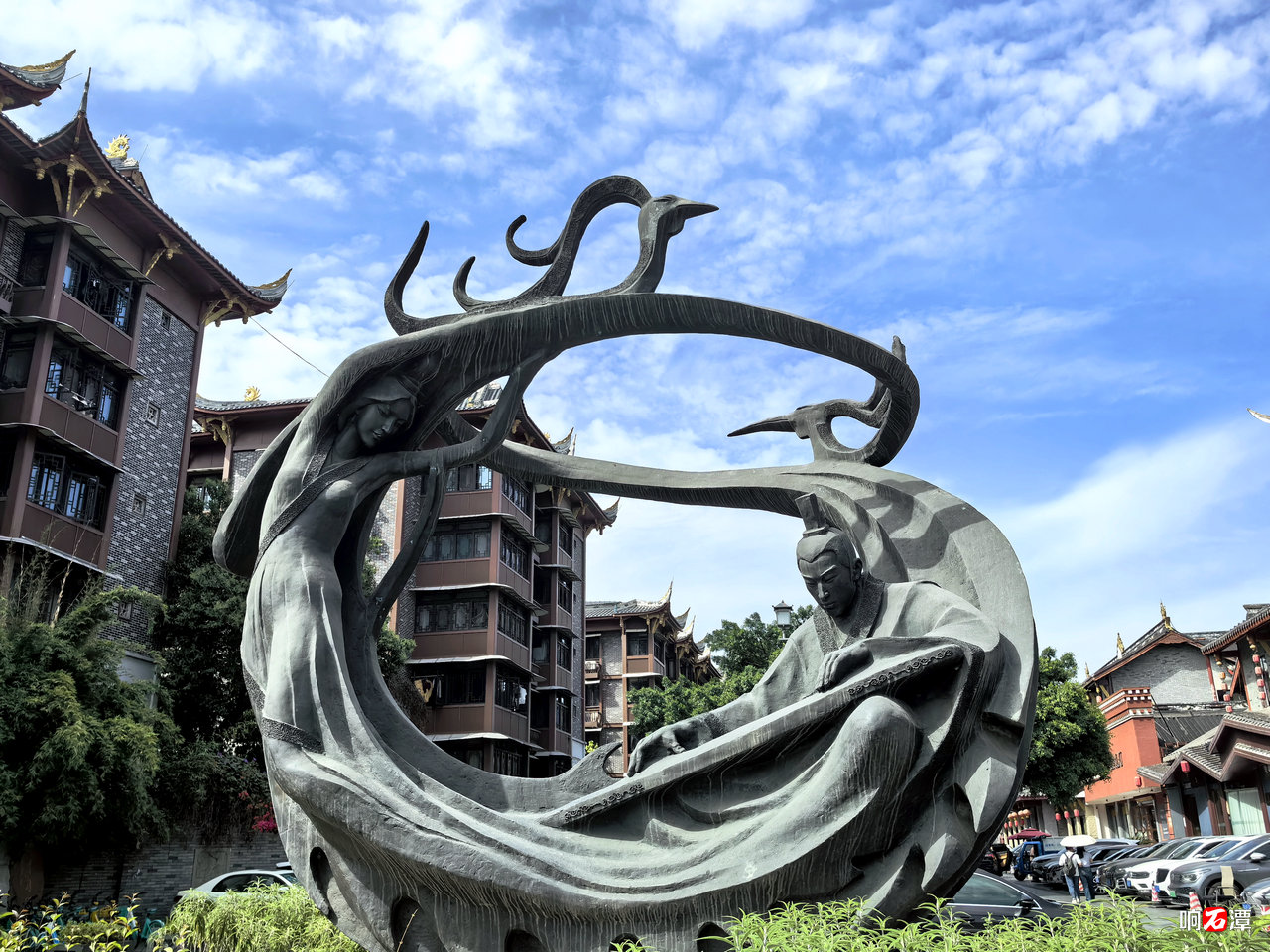
At the south end of Qintai Road, there’s the Feng Qiu Huang sculpture of Zhuo Wenjun and Sima Xiangru. It brought back the story of the two eloping overnight... Cars kept coming and going on Qintai Road; pedestrians had a harder time. On one side is Cultural Park, opposite is Baihuatan Park. If this could be a pedestrian street, it would be so much better—you could walk slowly and take it in.
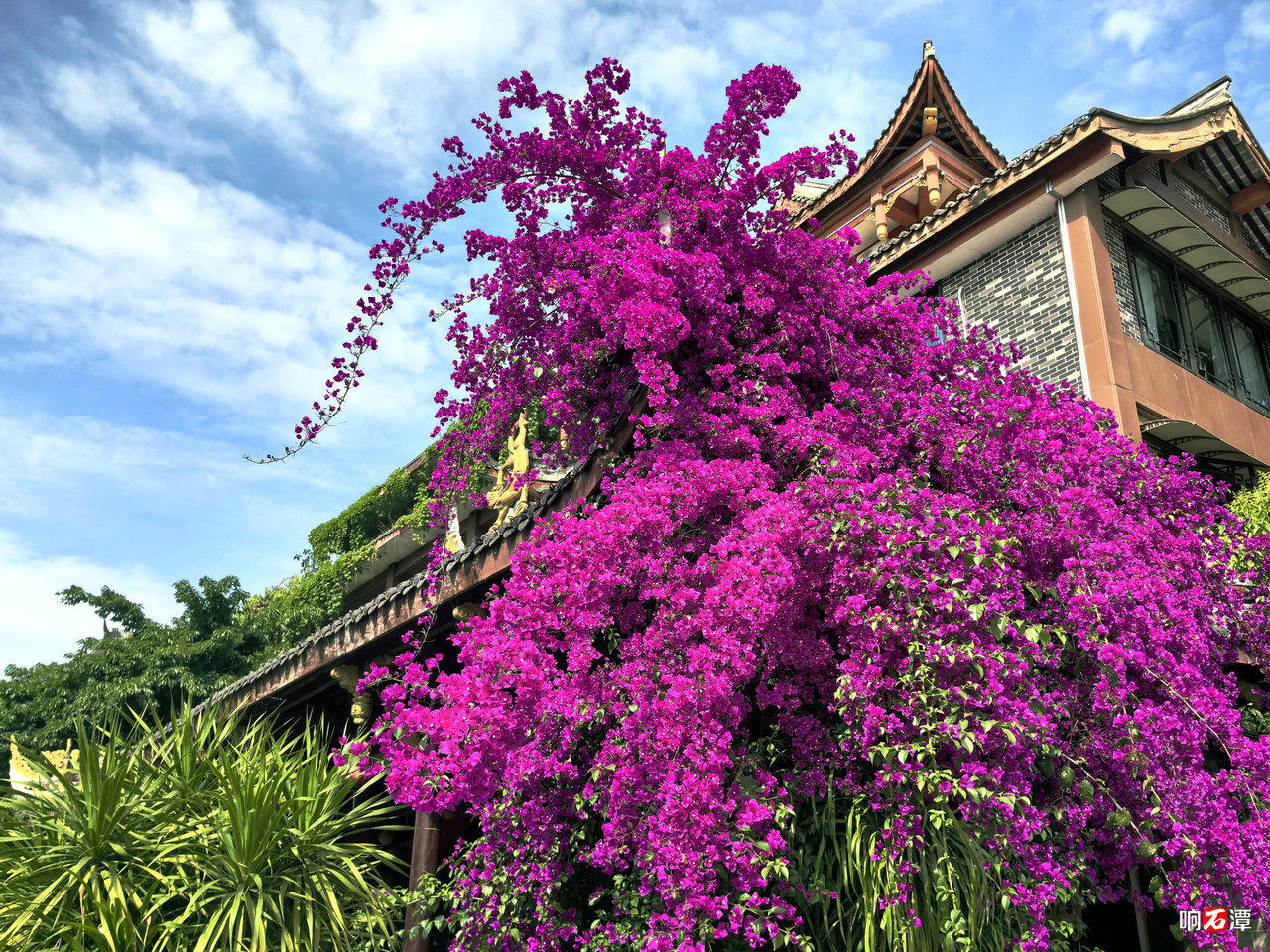
Lately, bougainvillea has wrapped itself around streets and alleys all over Chengdu, blooming with unusual brilliance. Great swaths of it spill down like waterfalls—gorgeous and seductive. Some grow in street flower beds, some on residents’ roofs, and some lean over the wall like a red apricot branch, suddenly appearing in front of you as a small surprise.
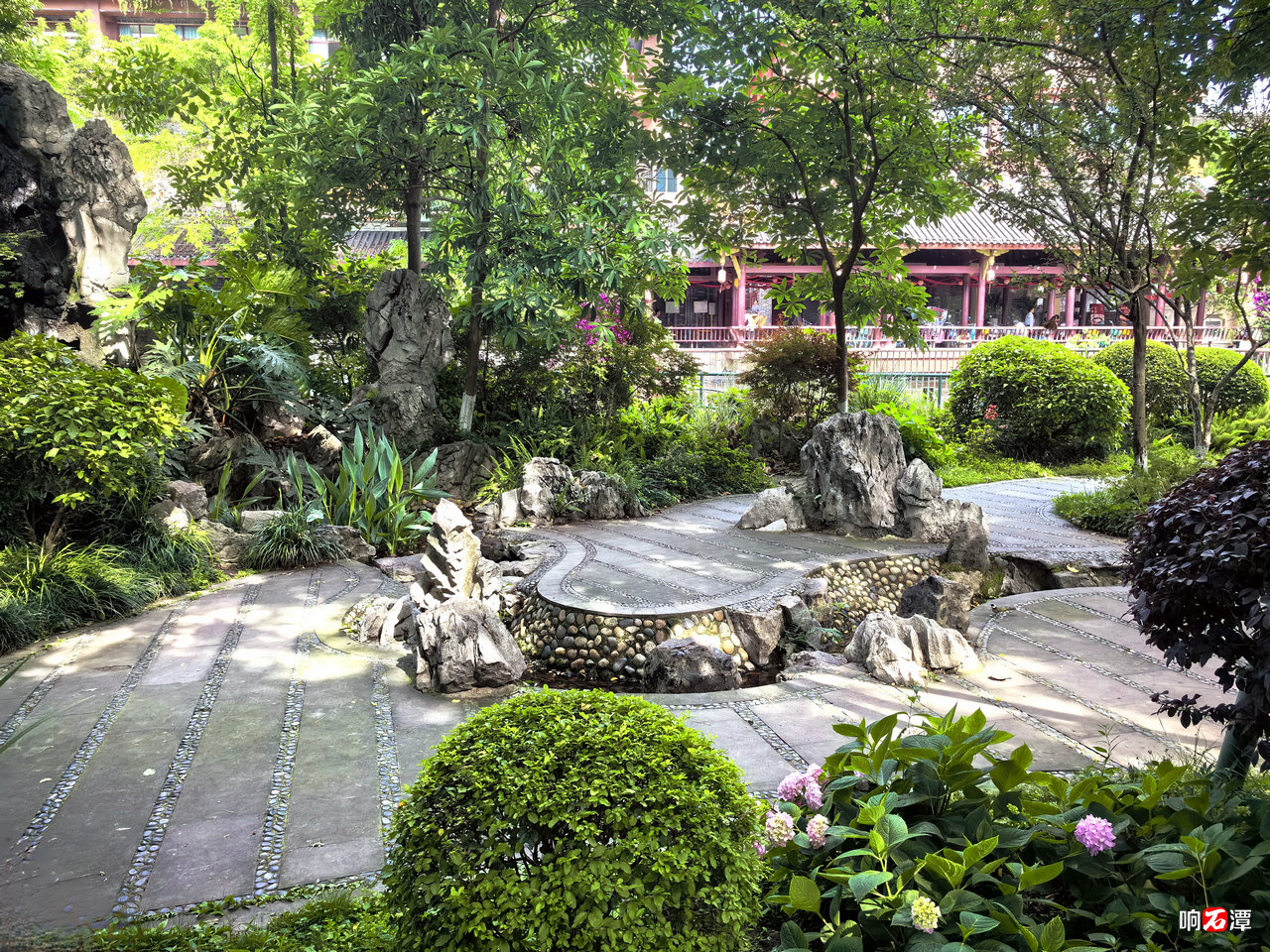
This spot in Cultural Park—I came here when I was a student. The ground is covered with small pebbles; walking barefoot on it massages the foot acupoints. Coco played here when she was little too, but she has forgotten. This morning I asked her whether she still remembered the abacus mental arithmetic she learned; it was gone completely, all returned to the teacher.
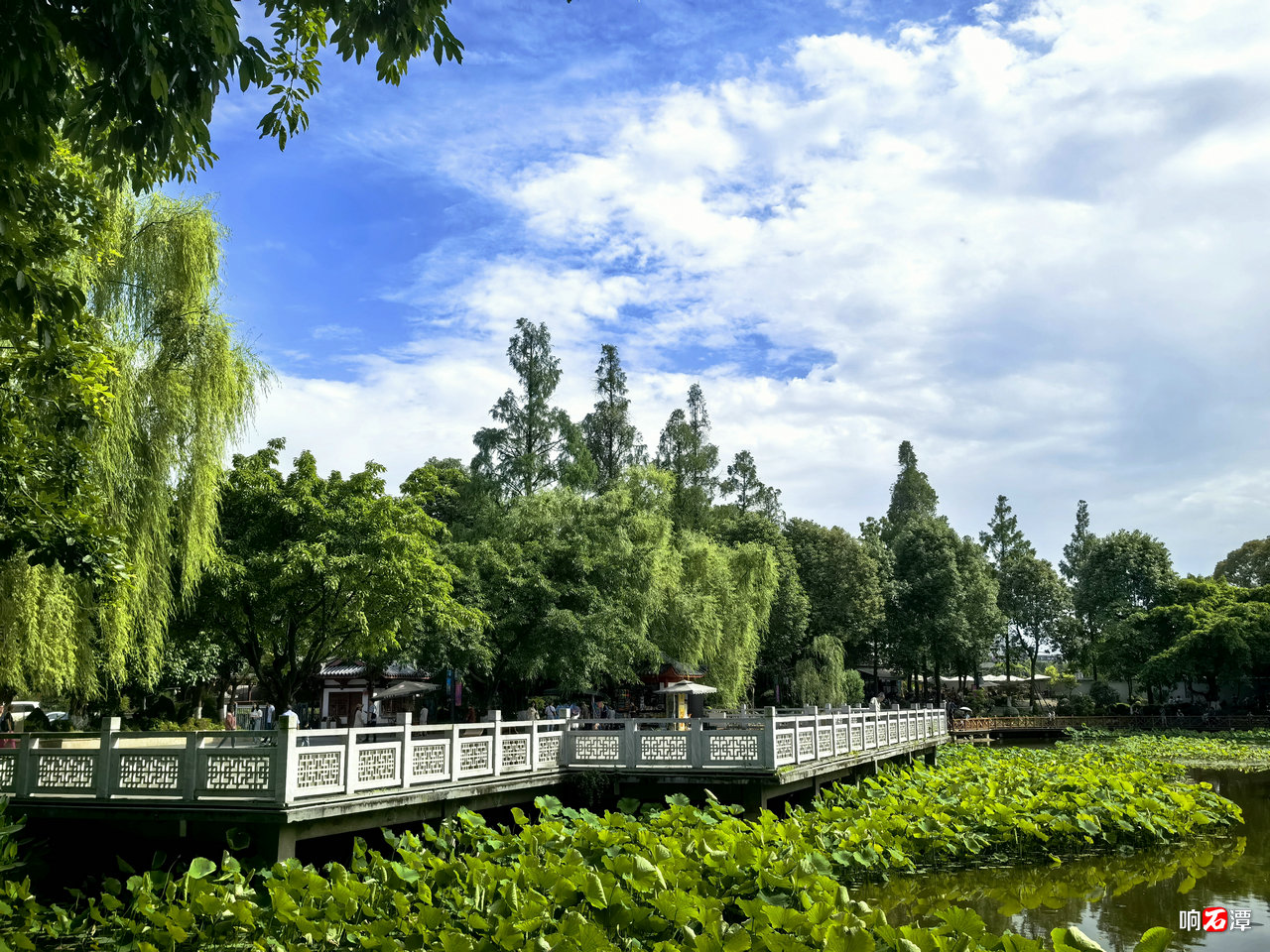
Today is May 12, sixteen years since the Wenchuan earthquake. The past is vivid. Sixteen years—from 24 to 40—a sea change, so much has changed. Later, during the Ya’an Lushan earthquake, I ran to Cultural Park to take shelter. I remember there used to be a statue of Lai Ning here. I don’t know when it was moved away and disappeared.
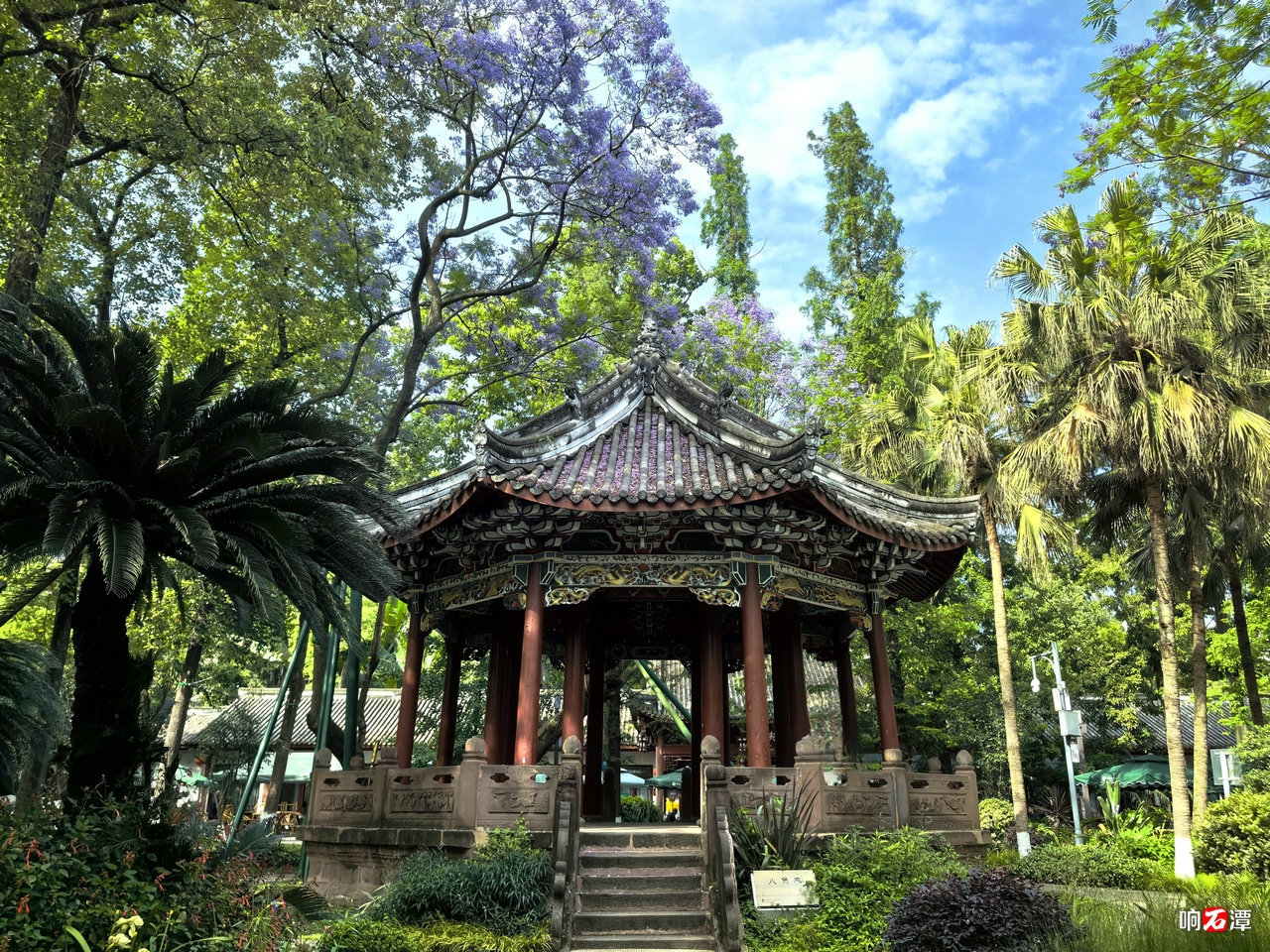
Cultural Park has an octagonal pavilion. It was originally at Wuqu Palace in Liangjiaxiang, built in the early Qing. Later, because Wuqu Palace was converted into a school, it was relocated to Cultural Park in 1972. Compared with many northern cities, Chengdu doesn’t seem to have many heritage buildings—but whenever there is one, it is protected very carefully. Probably rarity makes it precious.
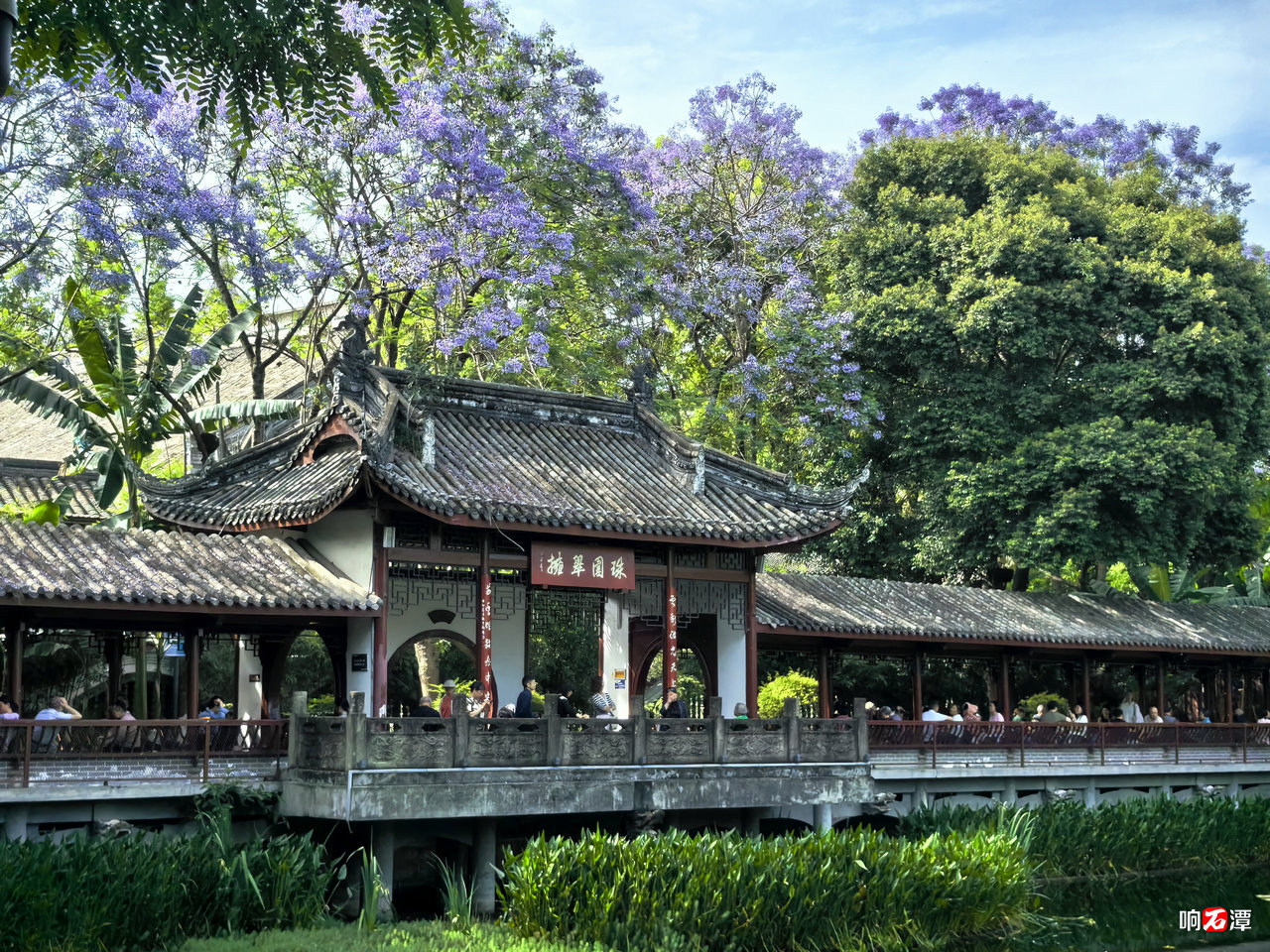
This long corridor in Cultural Park used to be empty; you could walk down the middle and stroll slowly. Now it’s packed, shoulder to shoulder; you can only look from a distance. The teahouse beside it is full too—people in twos and threes drinking tea, chatting, playing cards. Oh, and there are so many mosquitoes here. The mosquitoes must be very happy.
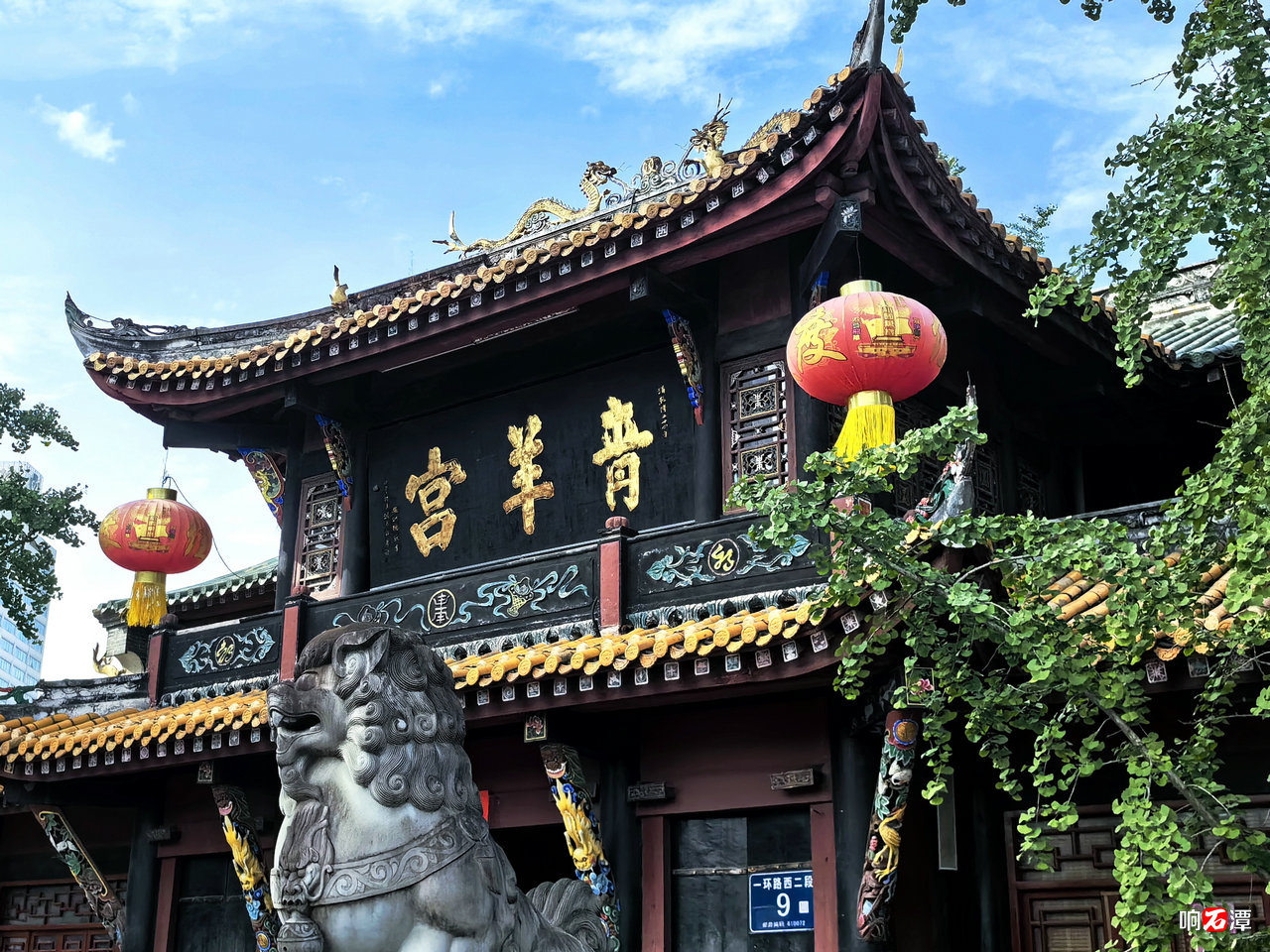
Next to Cultural Park is Qingyang Palace, a Taoist holy site. A loudspeaker was telling pilgrims not to trust the fortune-tellers at the gate. Qingyang Palace was first built in the Zhou dynasty and was originally called Qingyang Si. By the Ming dynasty, the halls built in the Tang had been destroyed in war. Most of the existing buildings were rebuilt during the sixth through tenth years of Kangxi’s reign in the Qing; the site covers about 120,000 square meters.
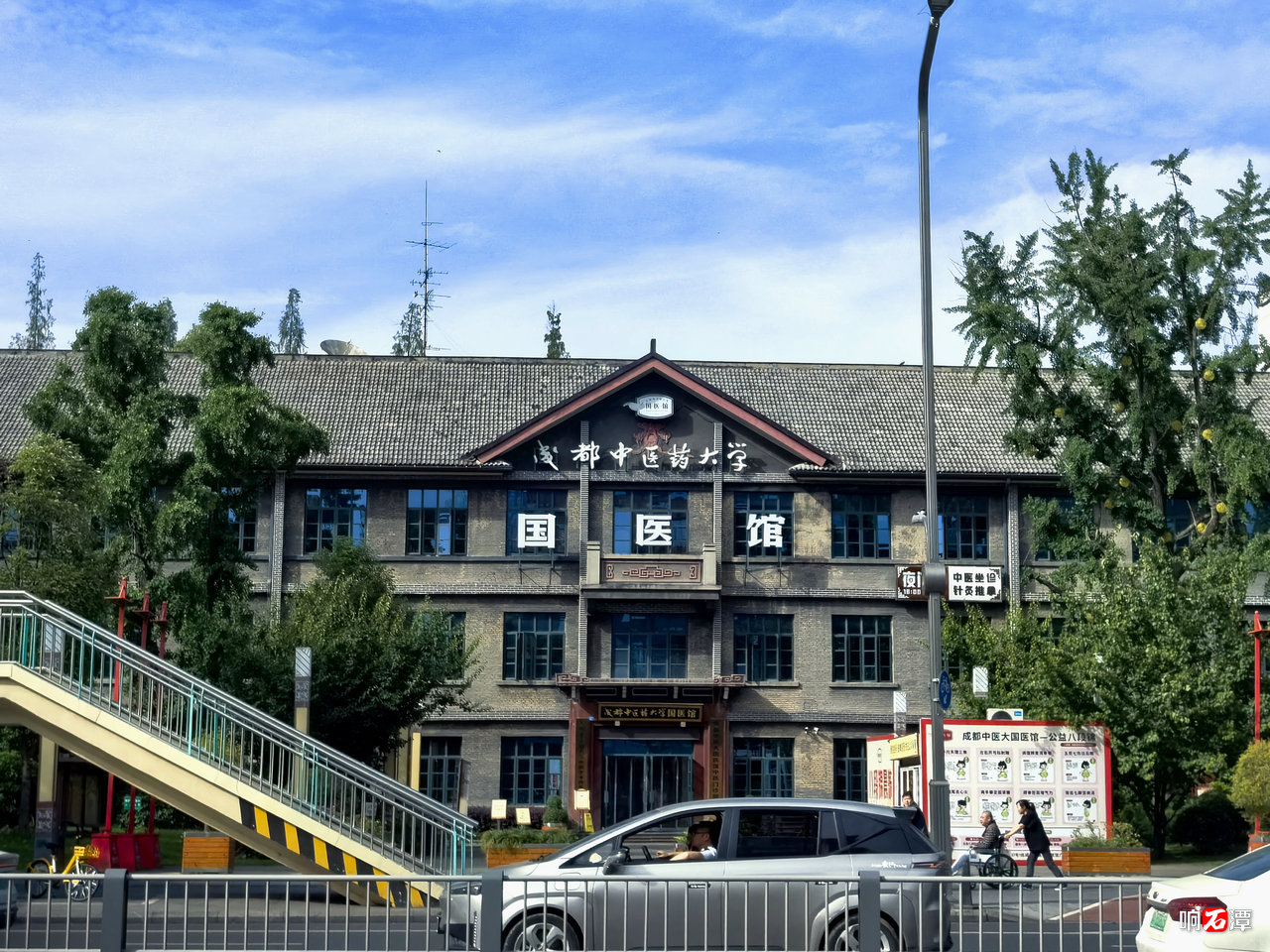
Passing the school, the sign reading Guoyi Guan was very conspicuous. I thought about how this used to serve as the administration building; when you walked in, the wooden floor creaked. But now you can’t even get through the school gate. Tomorrow it’s back to work, and next week will be very busy. Let it be busy—I’ll keep doing what I like, steadily. Busy, but happy in it. Still, the various threads need to be sorted out and pushed forward together.