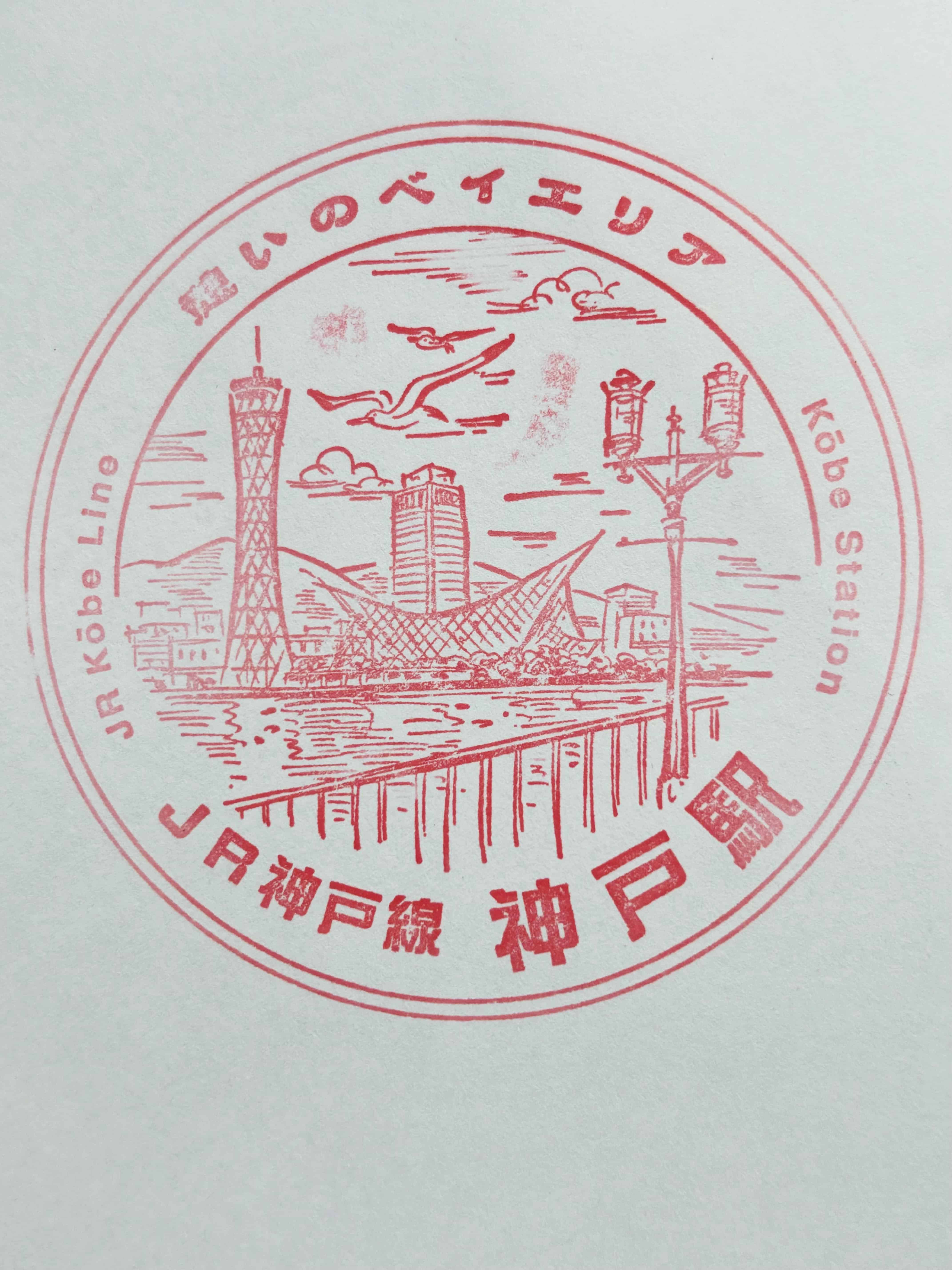
I forgot to get the station stamp at Nara, but Kobe Station made up for it.
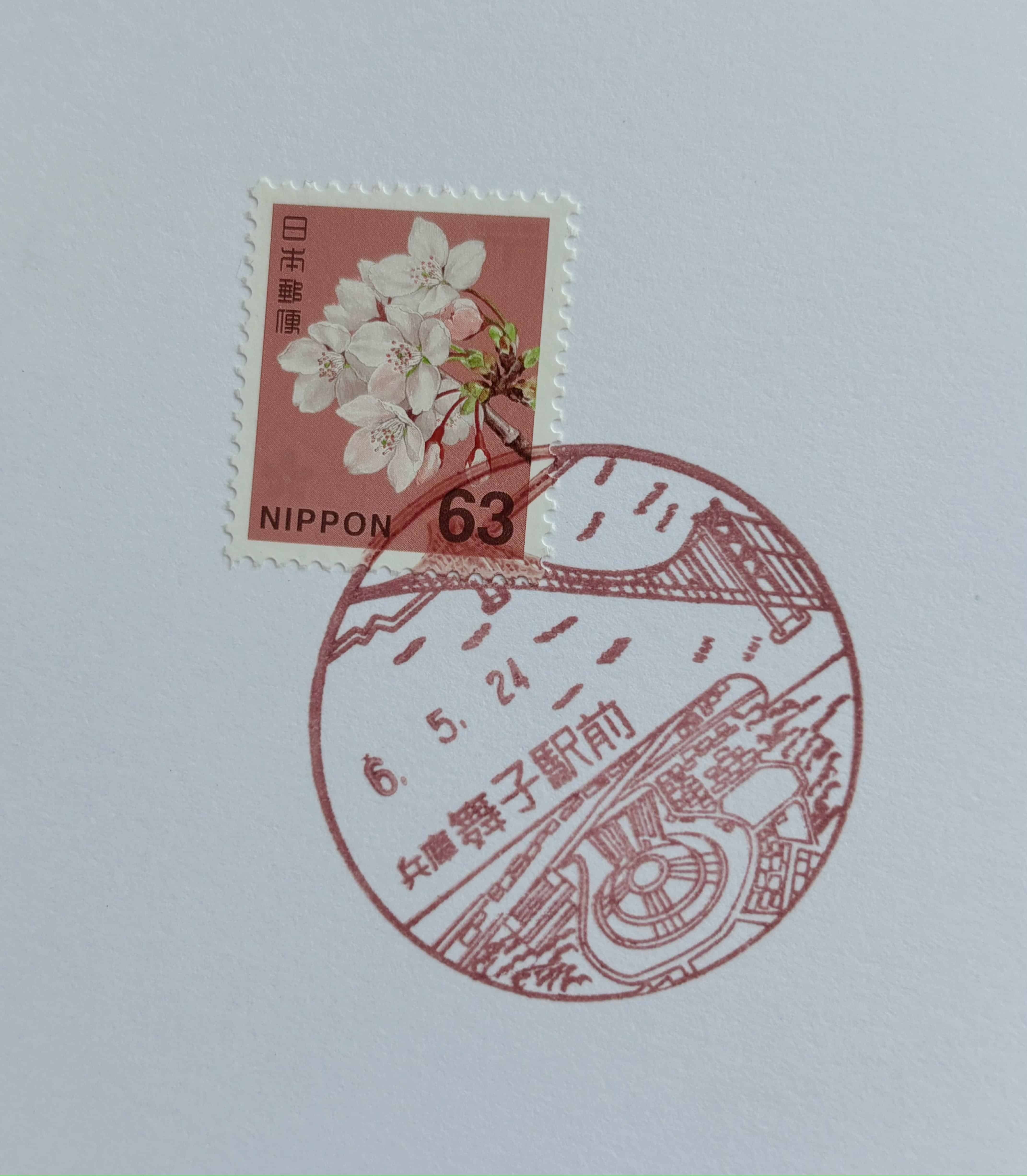
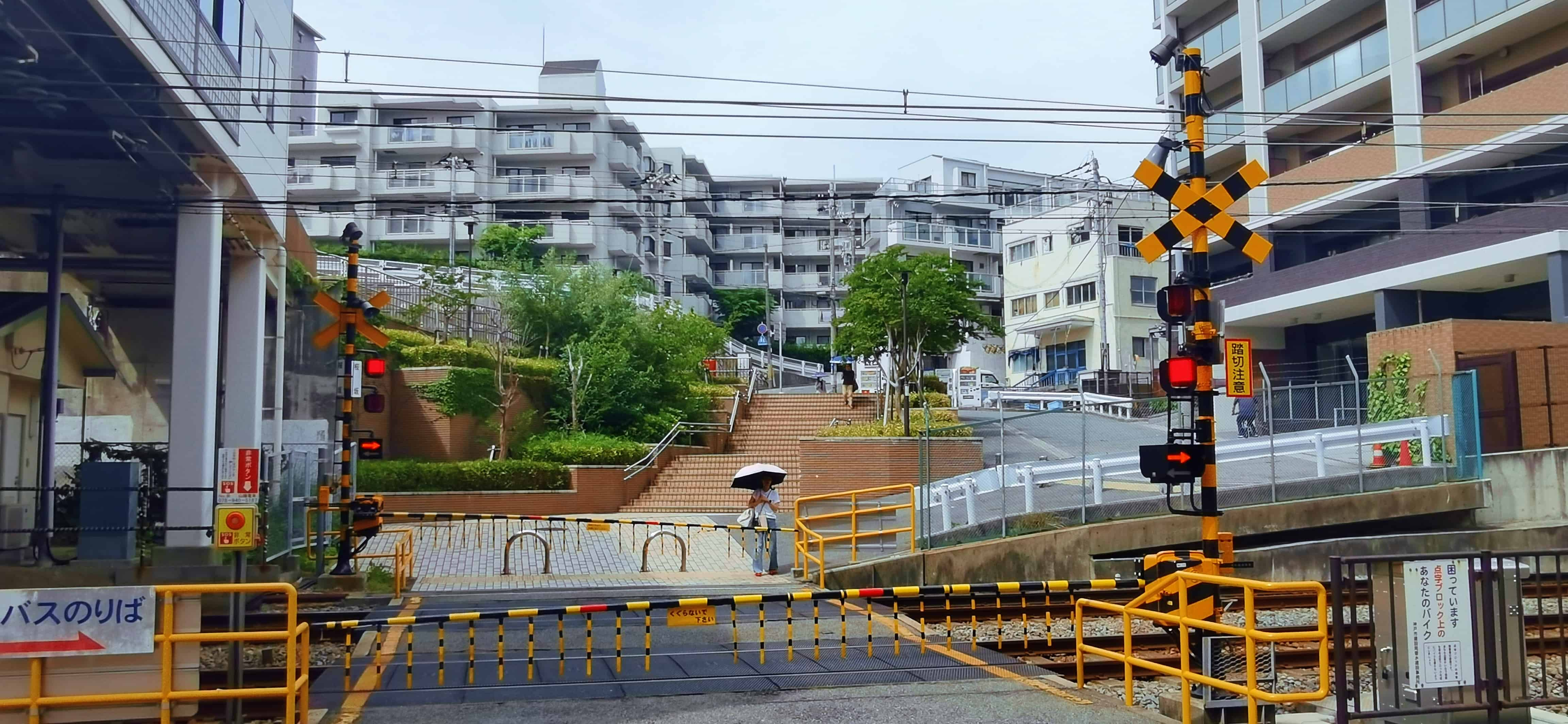
The post office in front of Maiko Station has a scenic postmark. I also liked the intersection outside the station — something about it felt straight out of an anime.
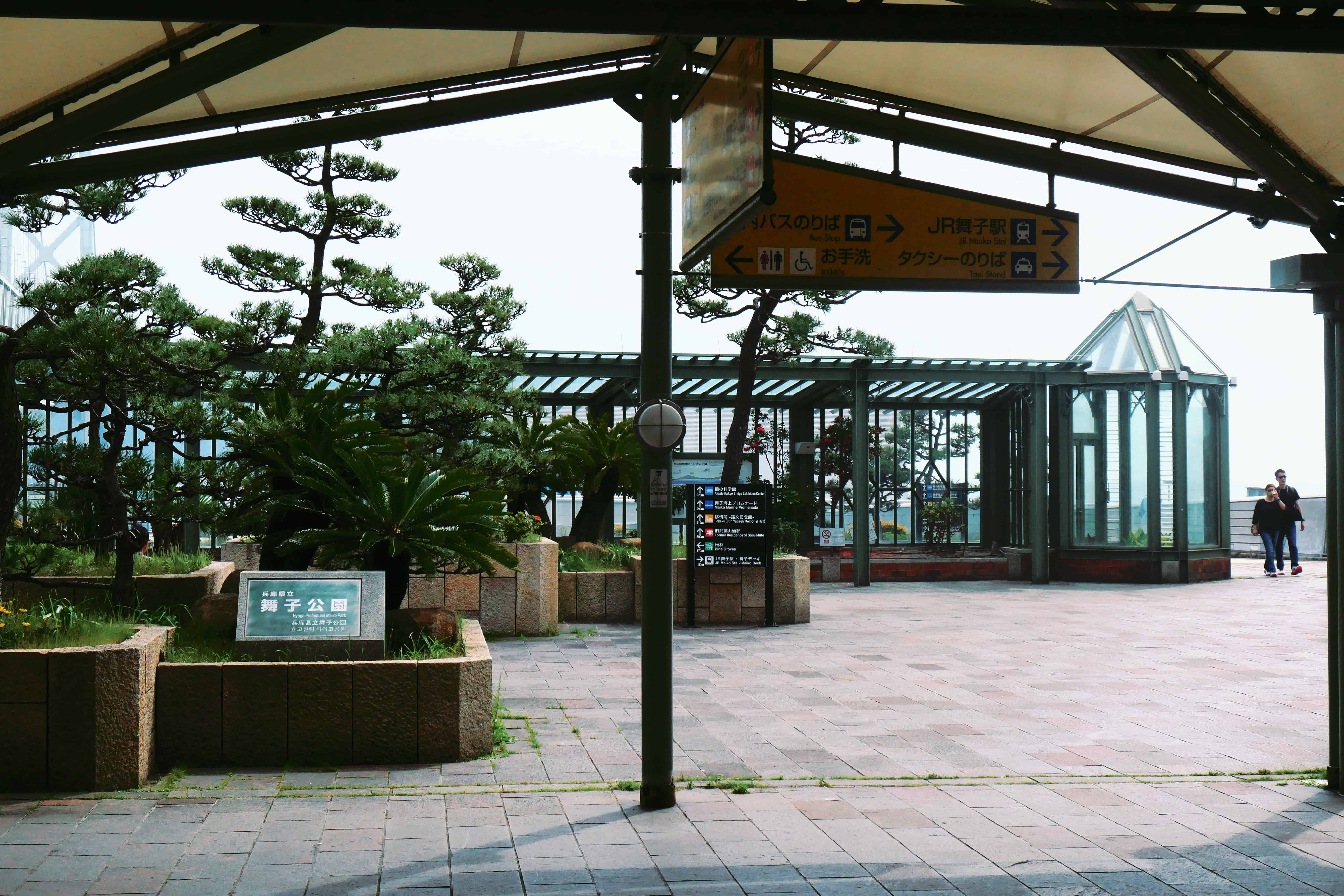
Maiko Park
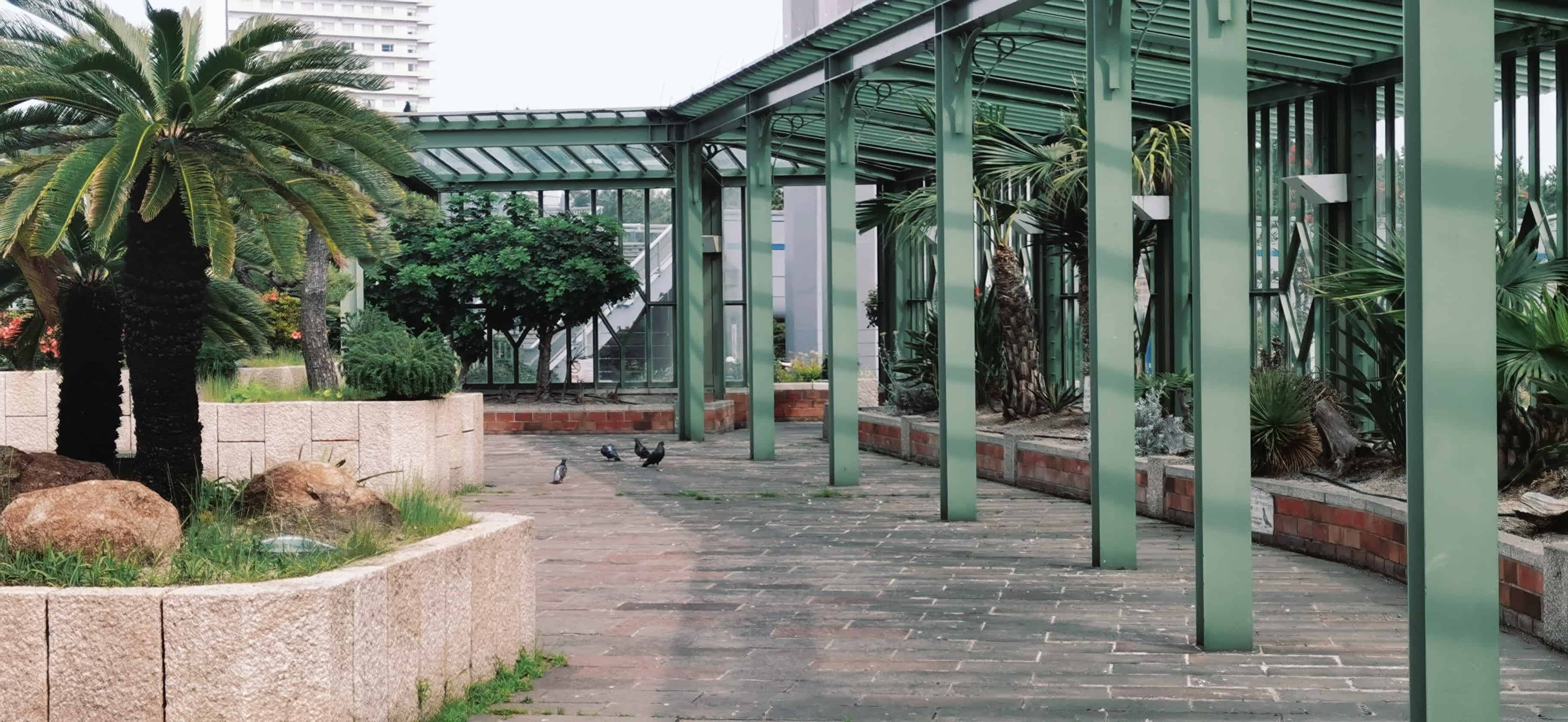
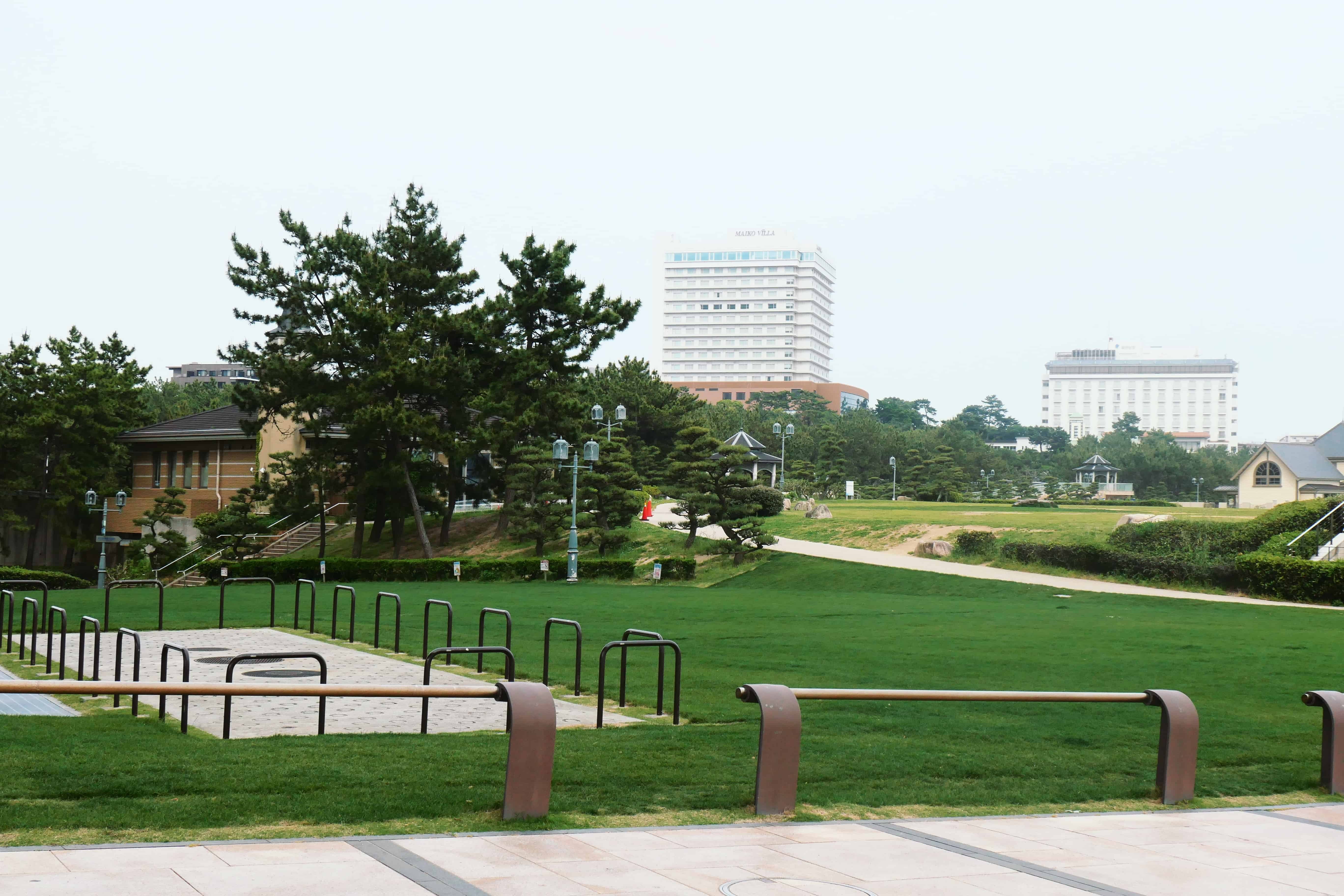
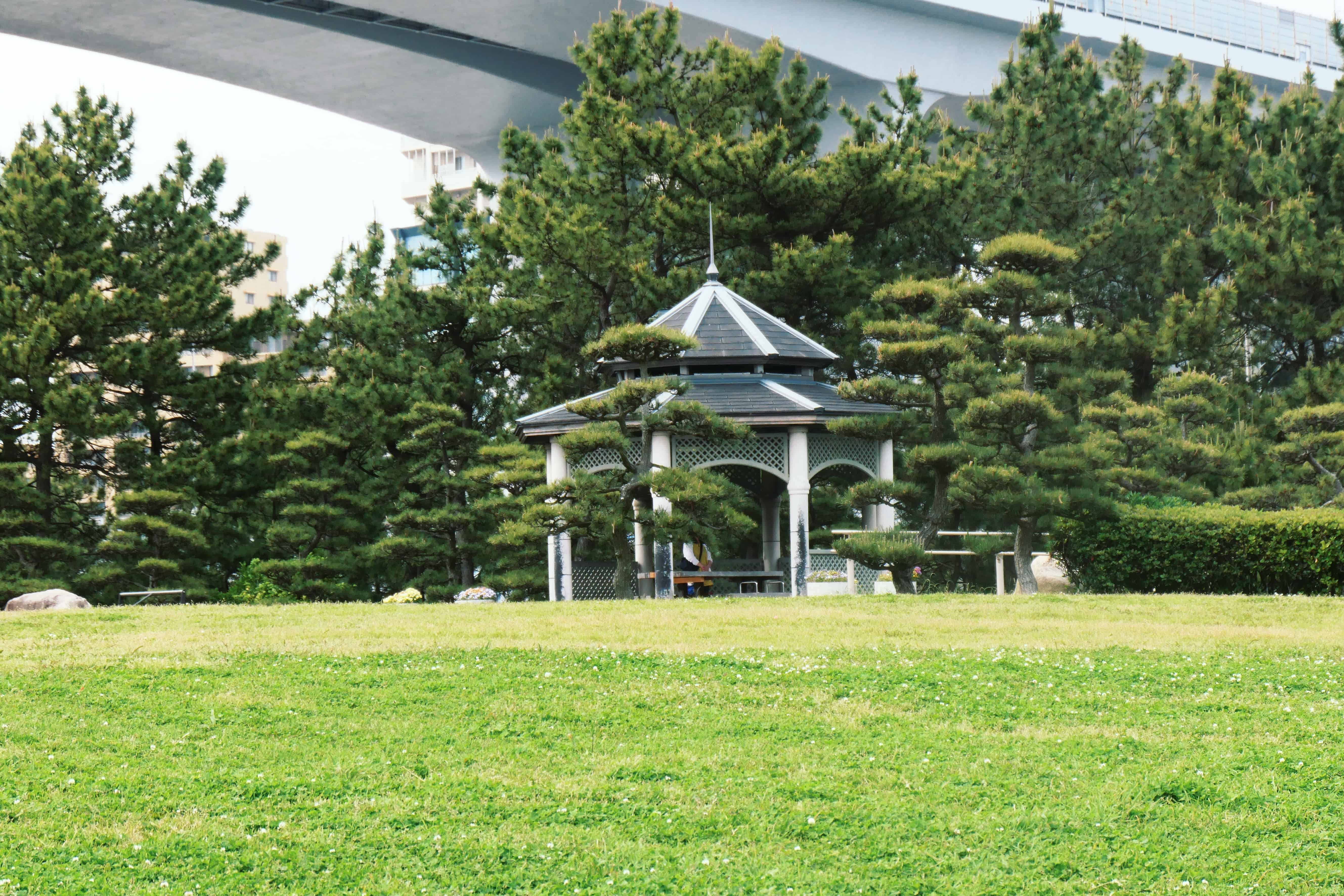
From JR Maiko Station, a pedestrian overpass leads to Maiko Park in a few minutes. This stretch has long been known as Maiko Beach; its white sand, green pines, and views toward Awaji Island earned it a reputation as a scenic spot. The area is said to have around 1,800 pines, so it is a good place for an aimless walk with plenty of greenery.
Akashi Kaikyo Bridge
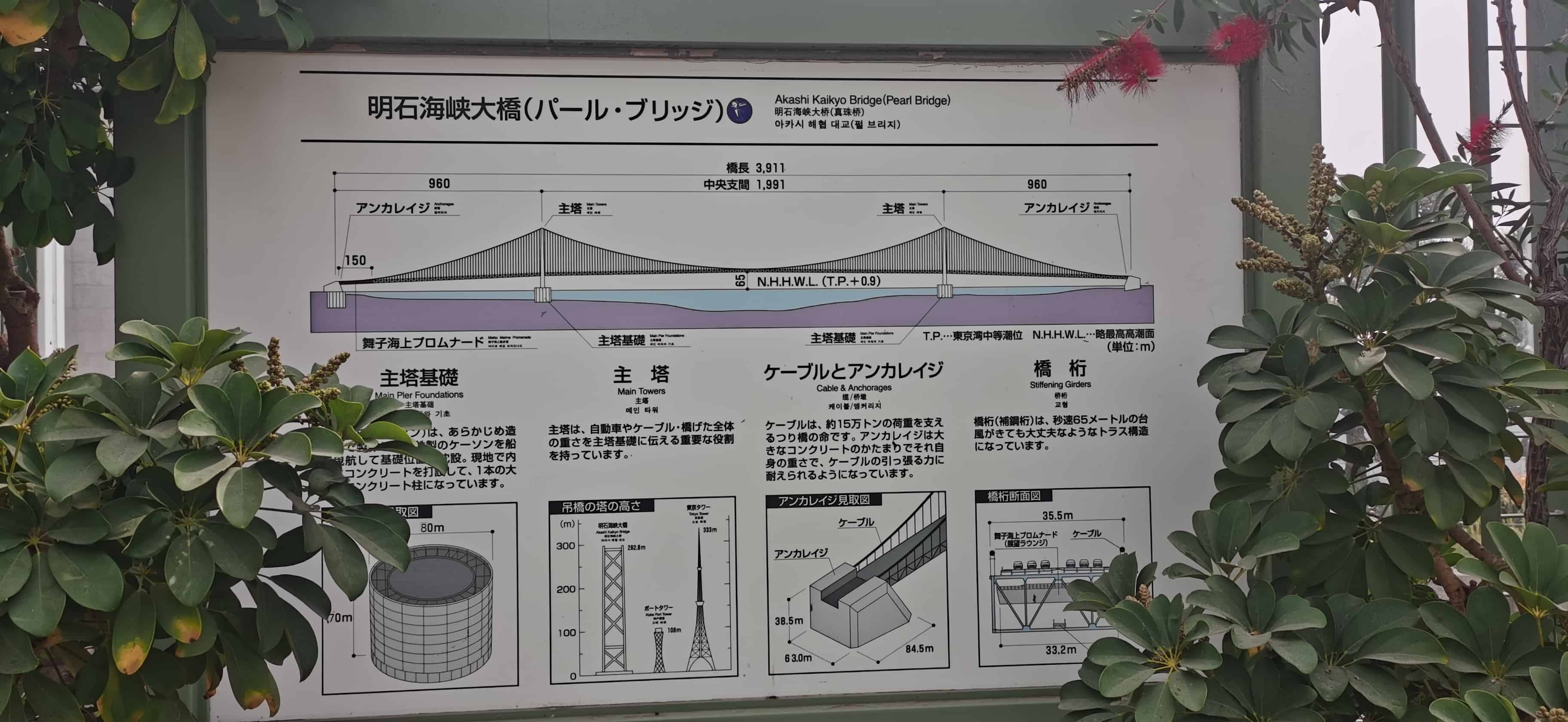
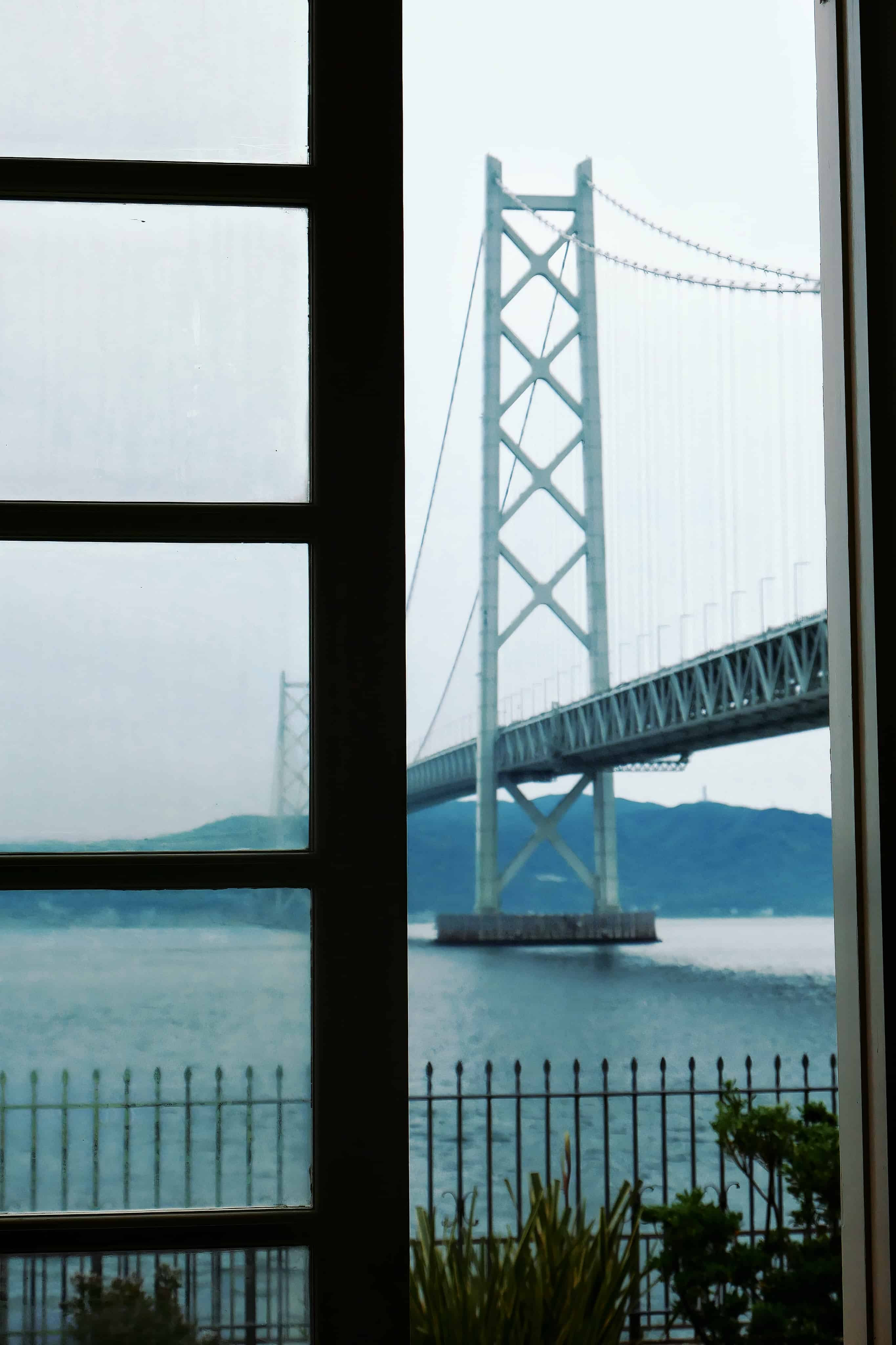
The Akashi Kaikyo Bridge links Honshu’s Hyogo Prefecture with Awaji Island and is currently the world’s longest suspension bridge. If heights do not bother you, the Maiko Marine Promenade lets you walk out along the bridge; it is supposed to be a good spot for sunset.
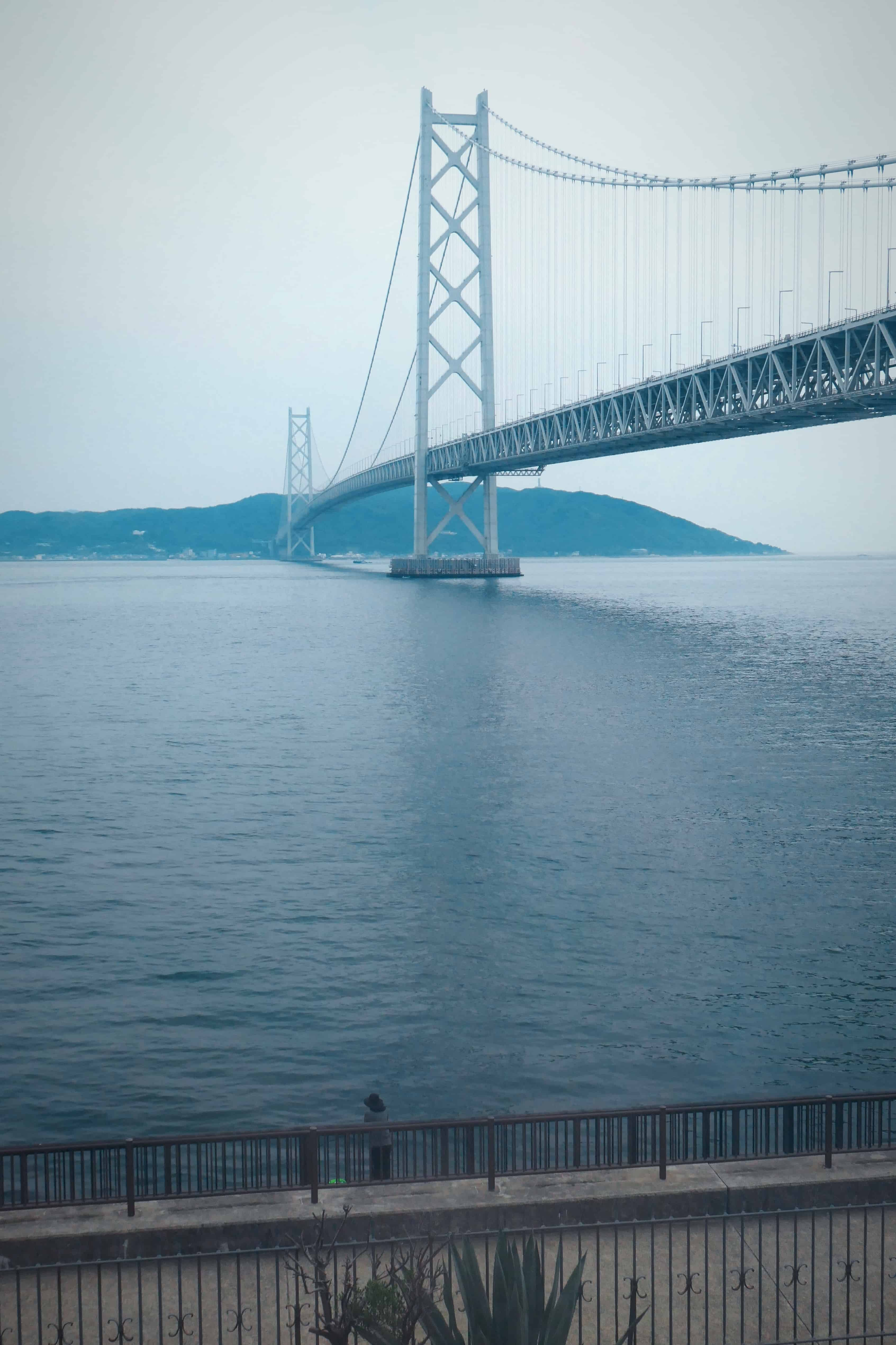
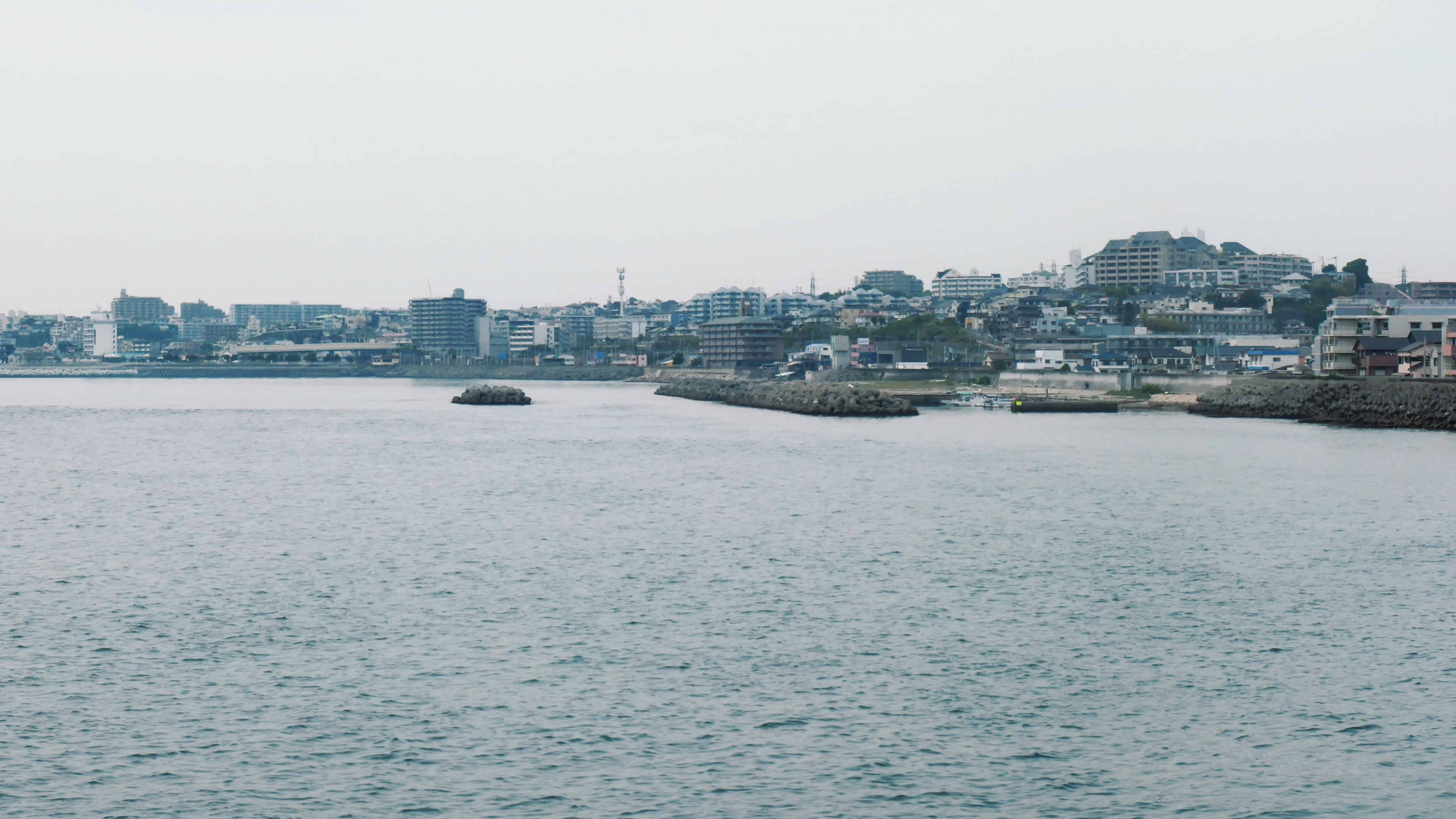
There were not many people around. Local residents were fishing by the water, the afternoon sun broke into glitter across the surface, pigeons wandered nearby, and an older man practiced harmonica by the shore. It was a very quiet place.
Sun Yat-sen Memorial Hall
I had wanted to see the interior of this seaside Western-style villa, but once inside I had a slightly surreal reaction: it was strange to see how many halls Chinese communities had built for Sun Yat-sen. Speaking as a woman, the whole father-of-the-nation reverence leaves me cold.
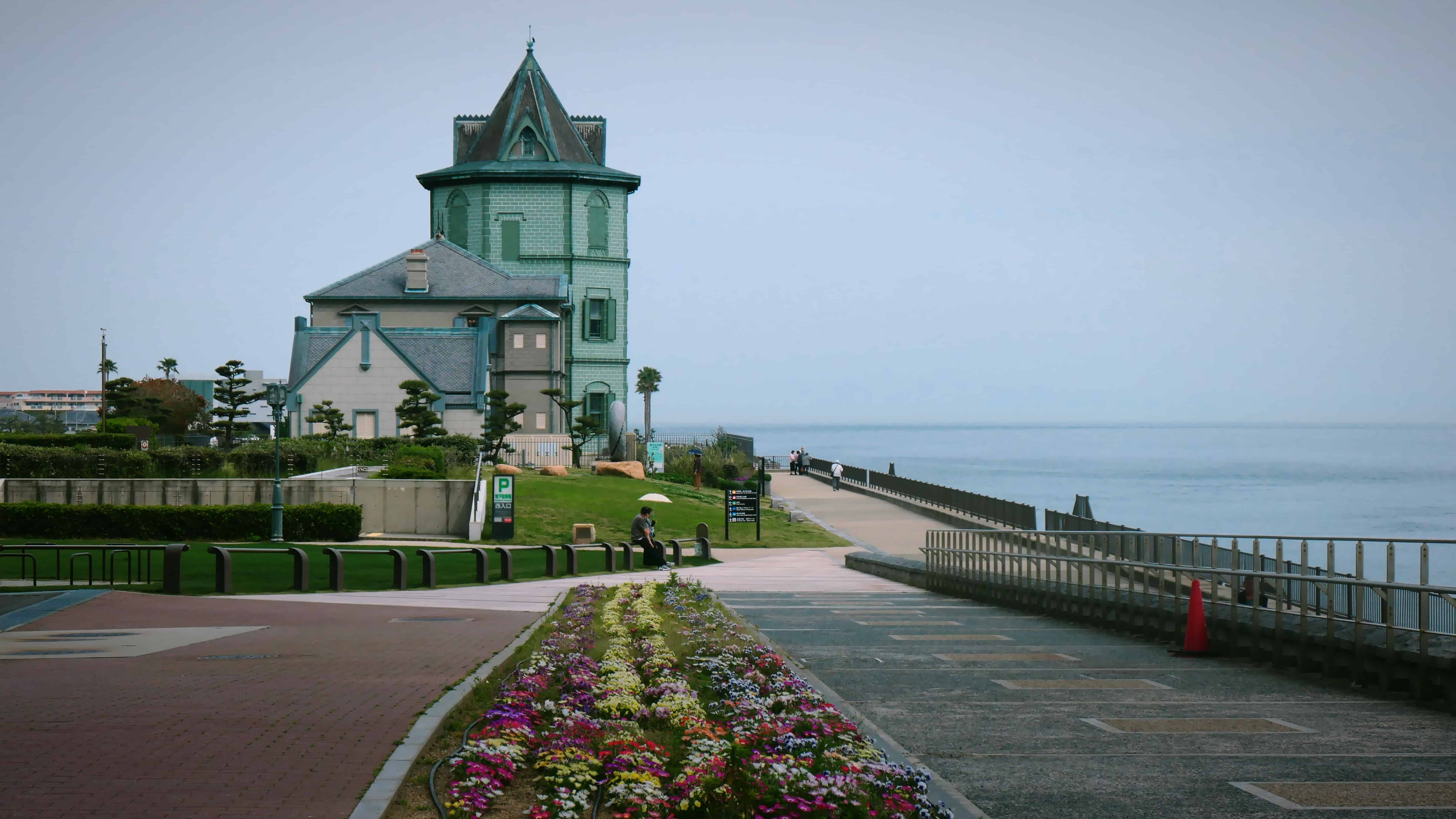
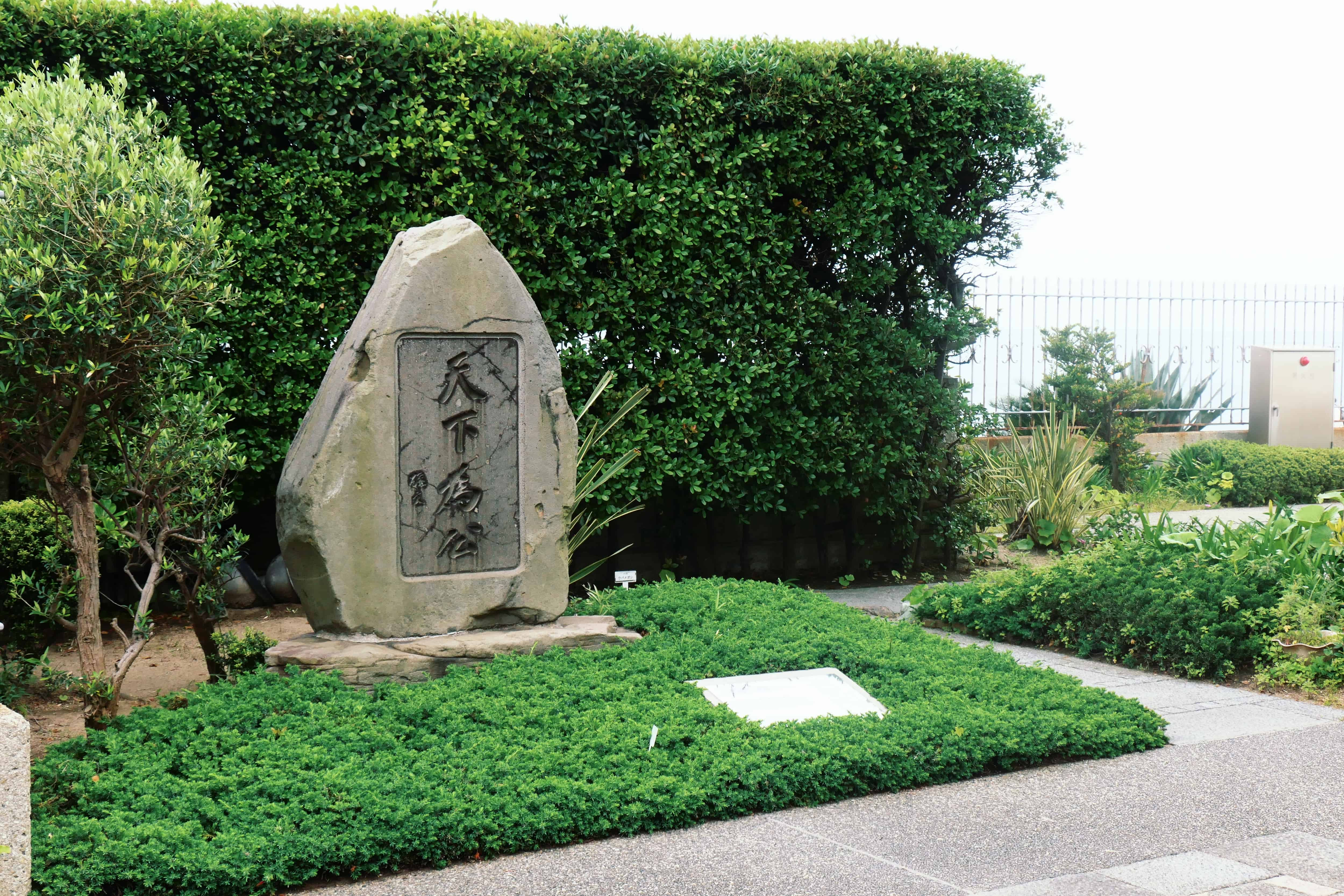
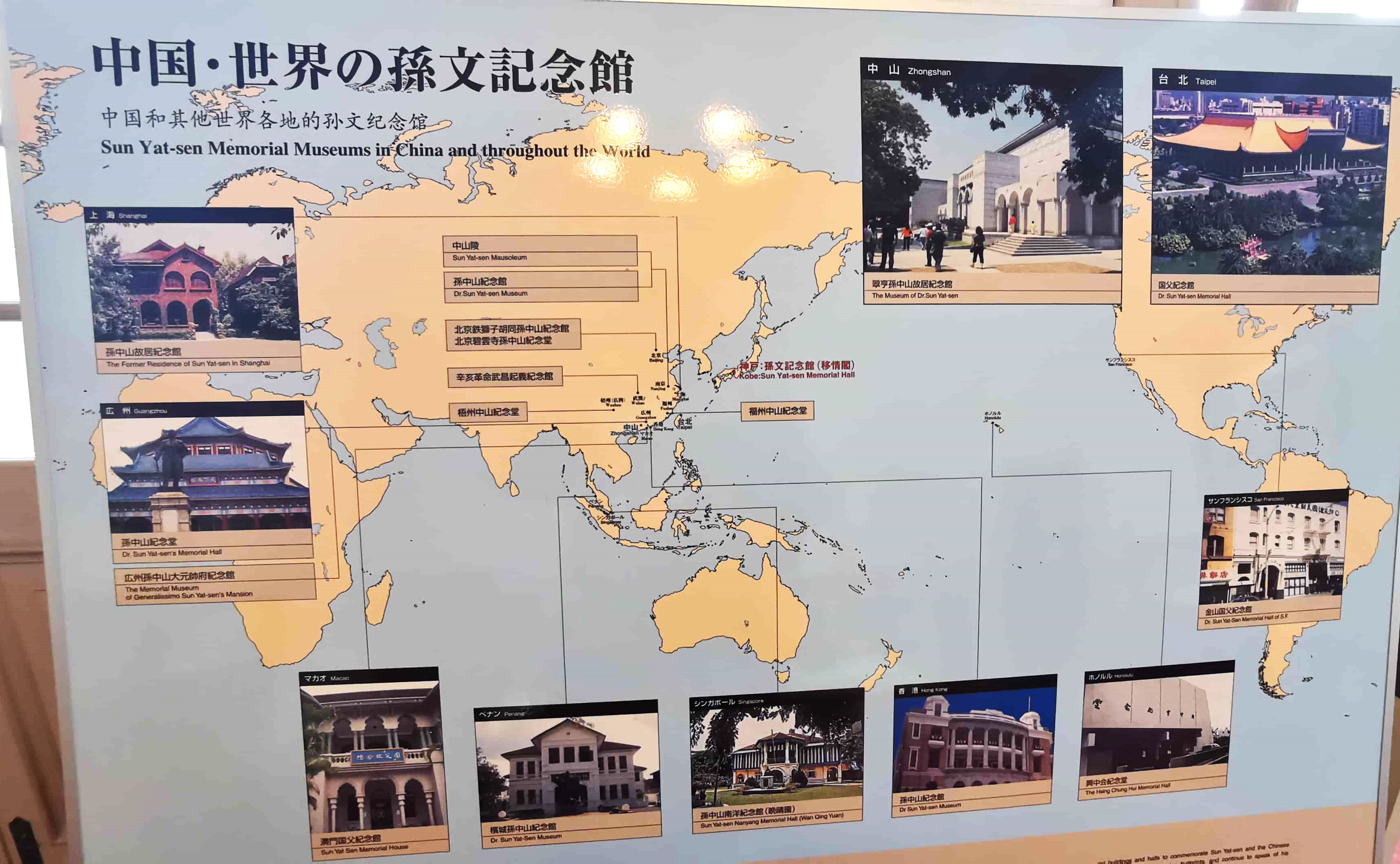
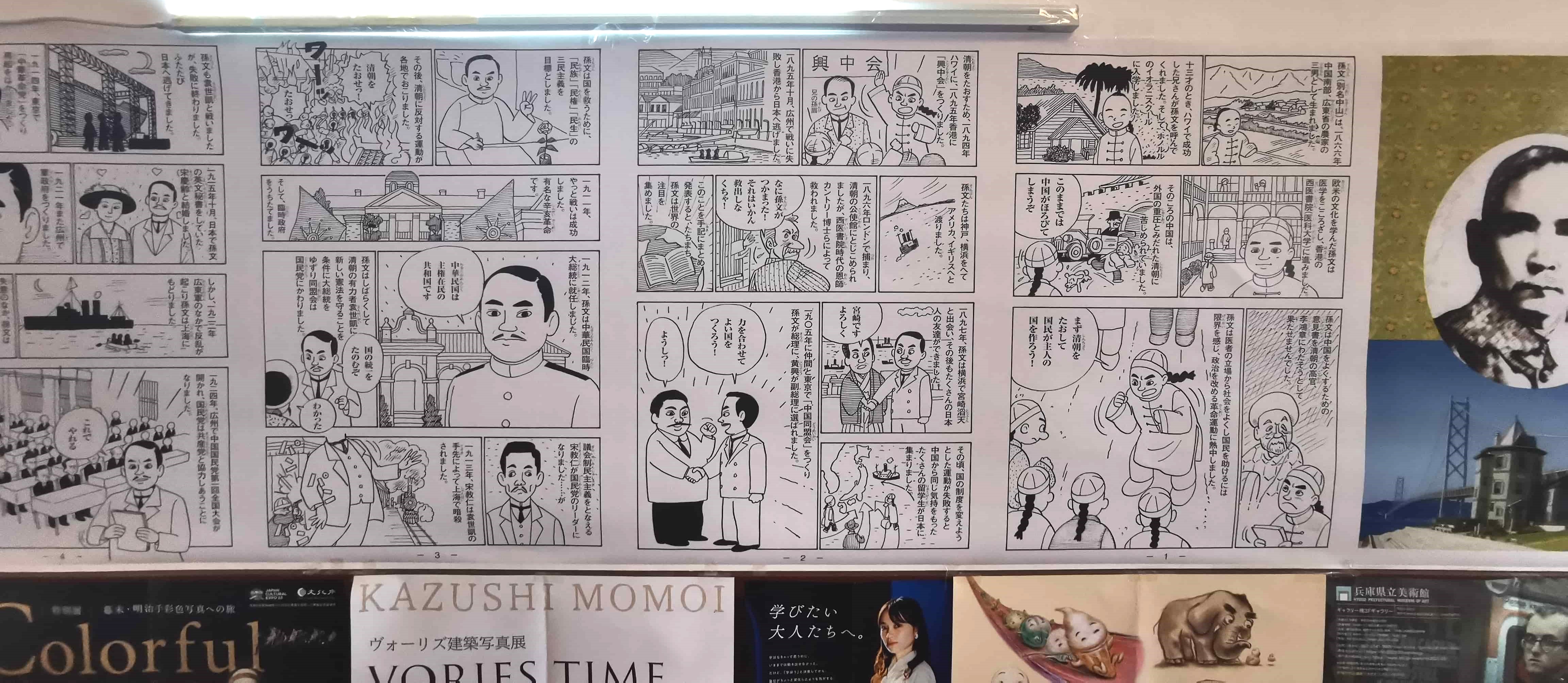
The Japanese side was even more attentive, down to a mysterious manga.
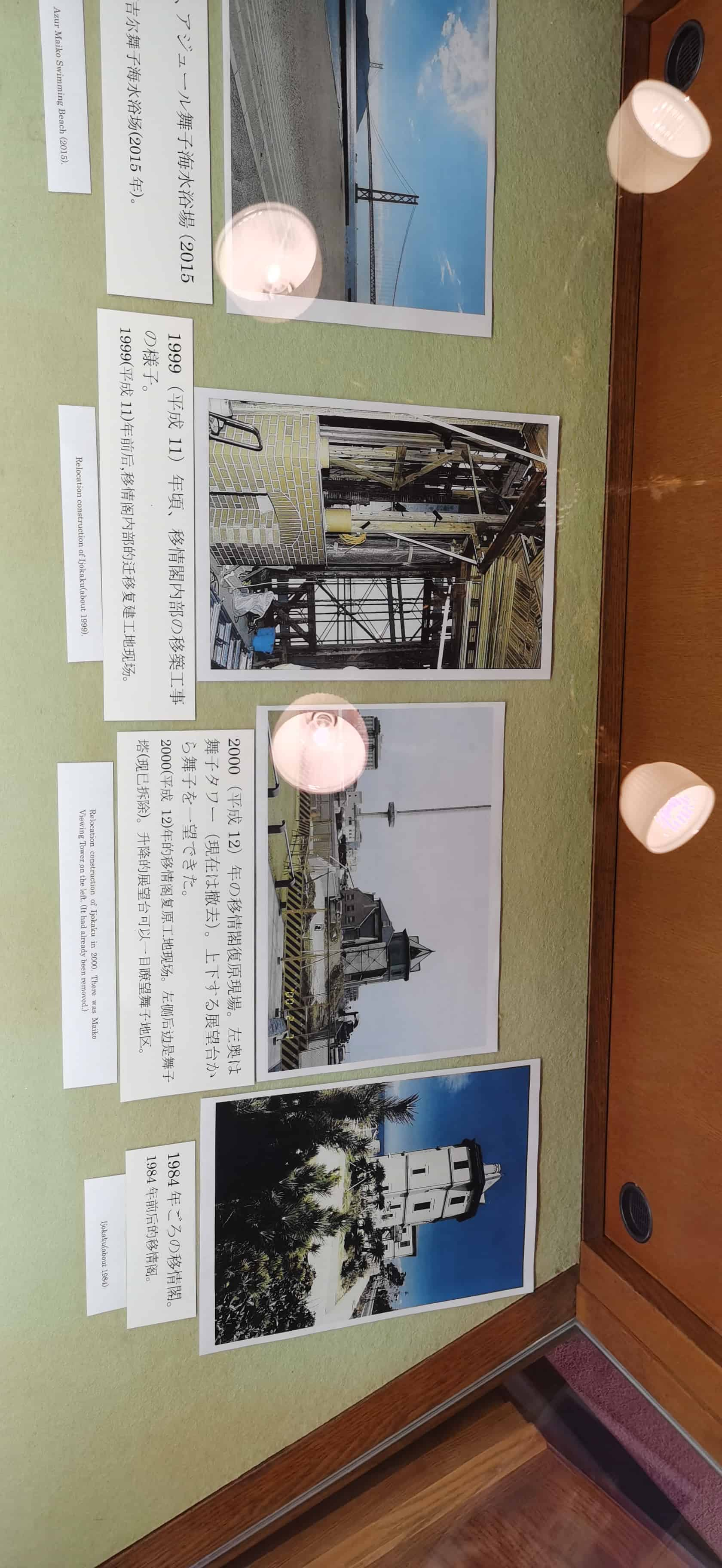
The villa is called Ishinkan. It was built in 1915 (Taisho 4) as a villa for Kobe trader Wu Jintang. In November 1983, to mark the 10th anniversary of normalized Japan-China relations and the sister-province relationship between Hyogo and Guangdong, the Kobe Chinese Association gifted Ishinkan to Hyogo Prefecture. The prefecture restored it and decided to preserve it permanently; in 1993 it was designated an important tangible cultural property of Hyogo.
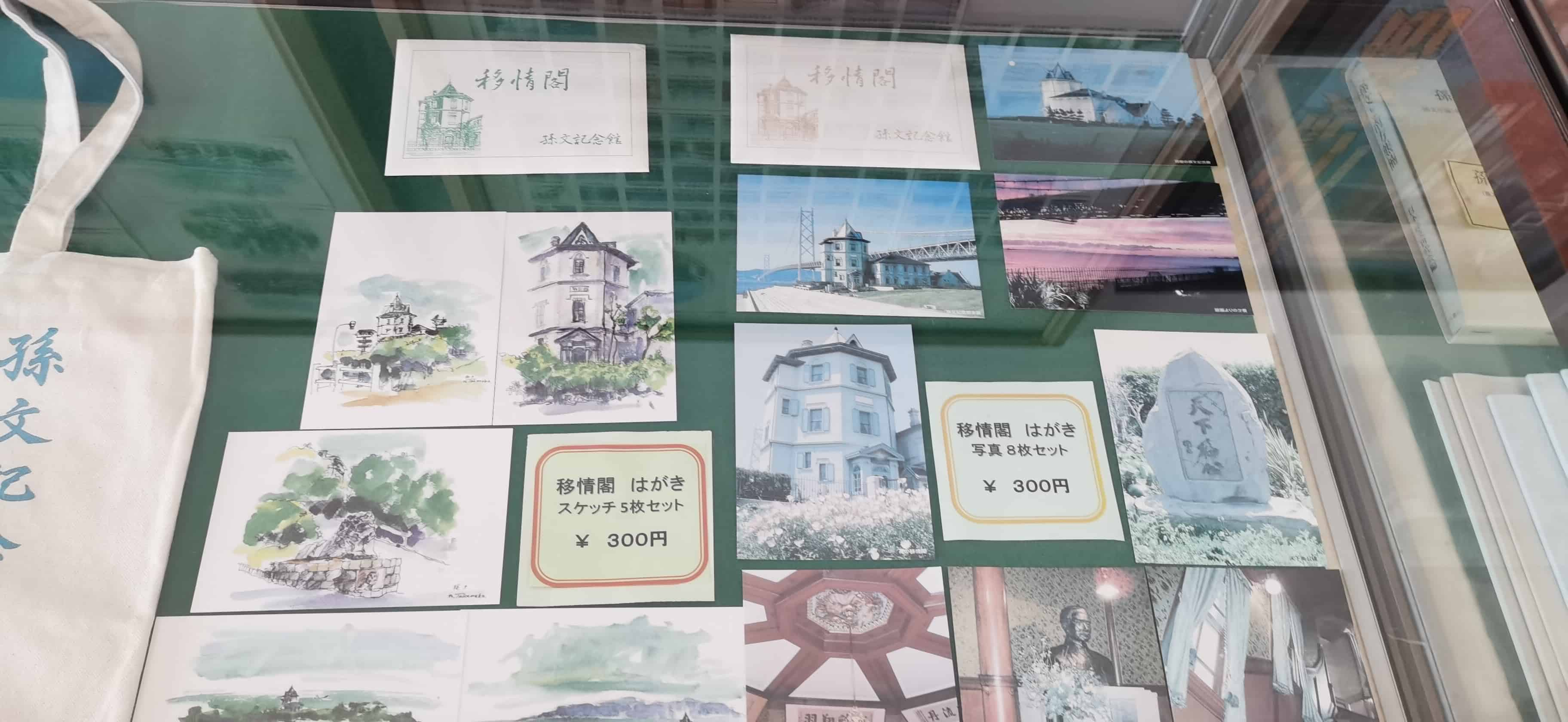
The interior is fairly conventional, the kind of Western-style villa turned into a museum.
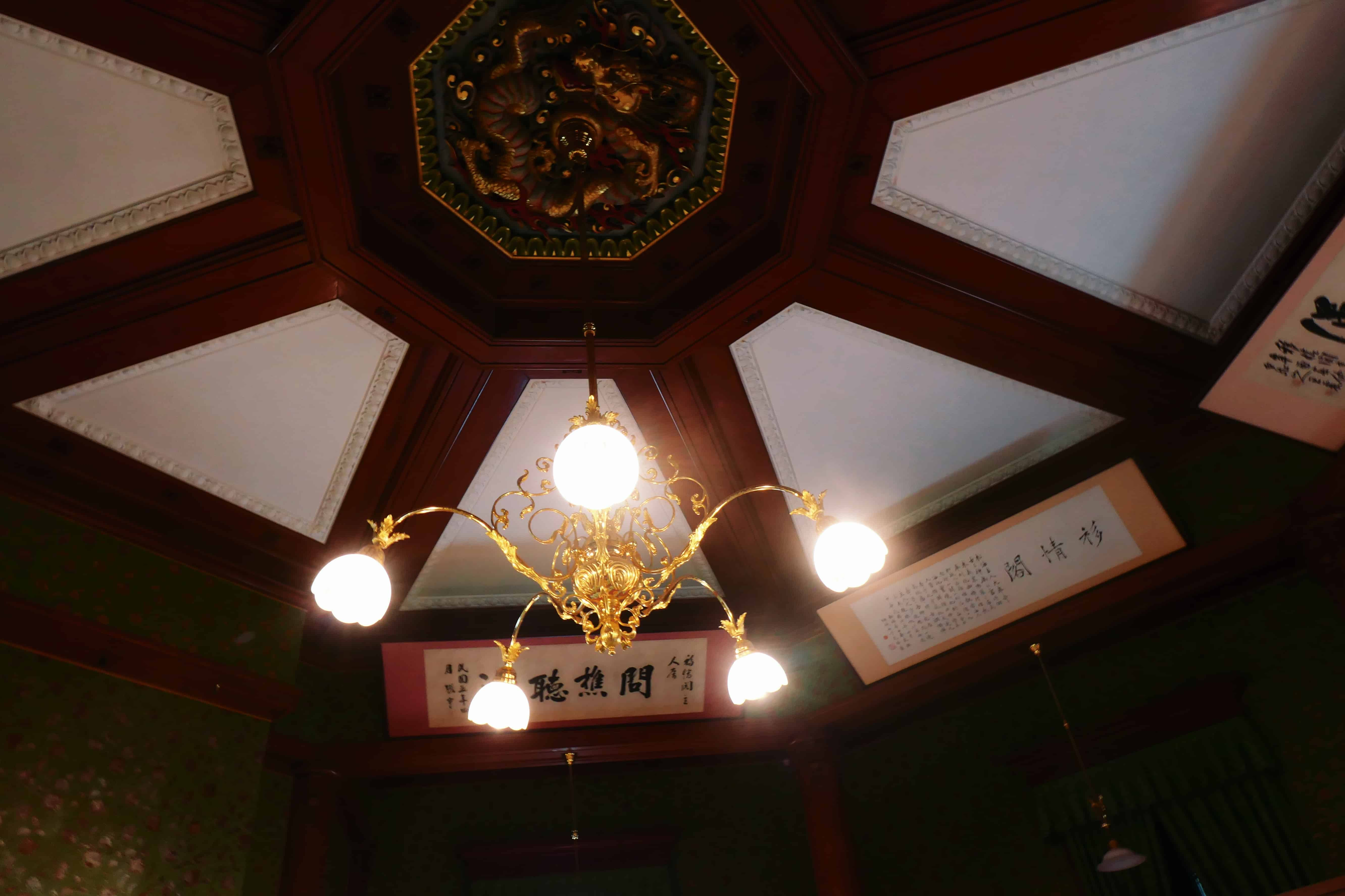
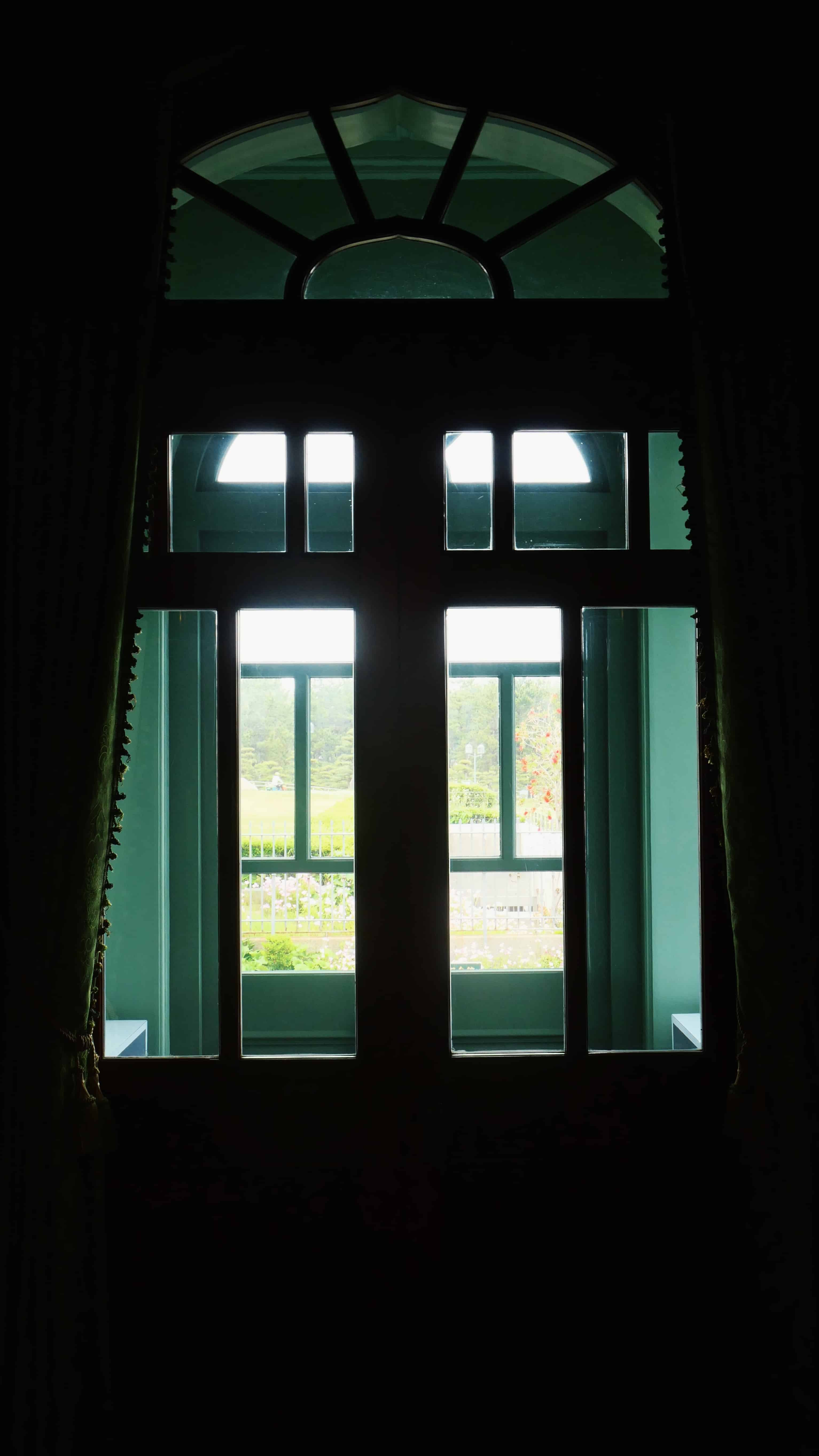
Looking out from the villa, the rainy weather actually suited the retro rooms.
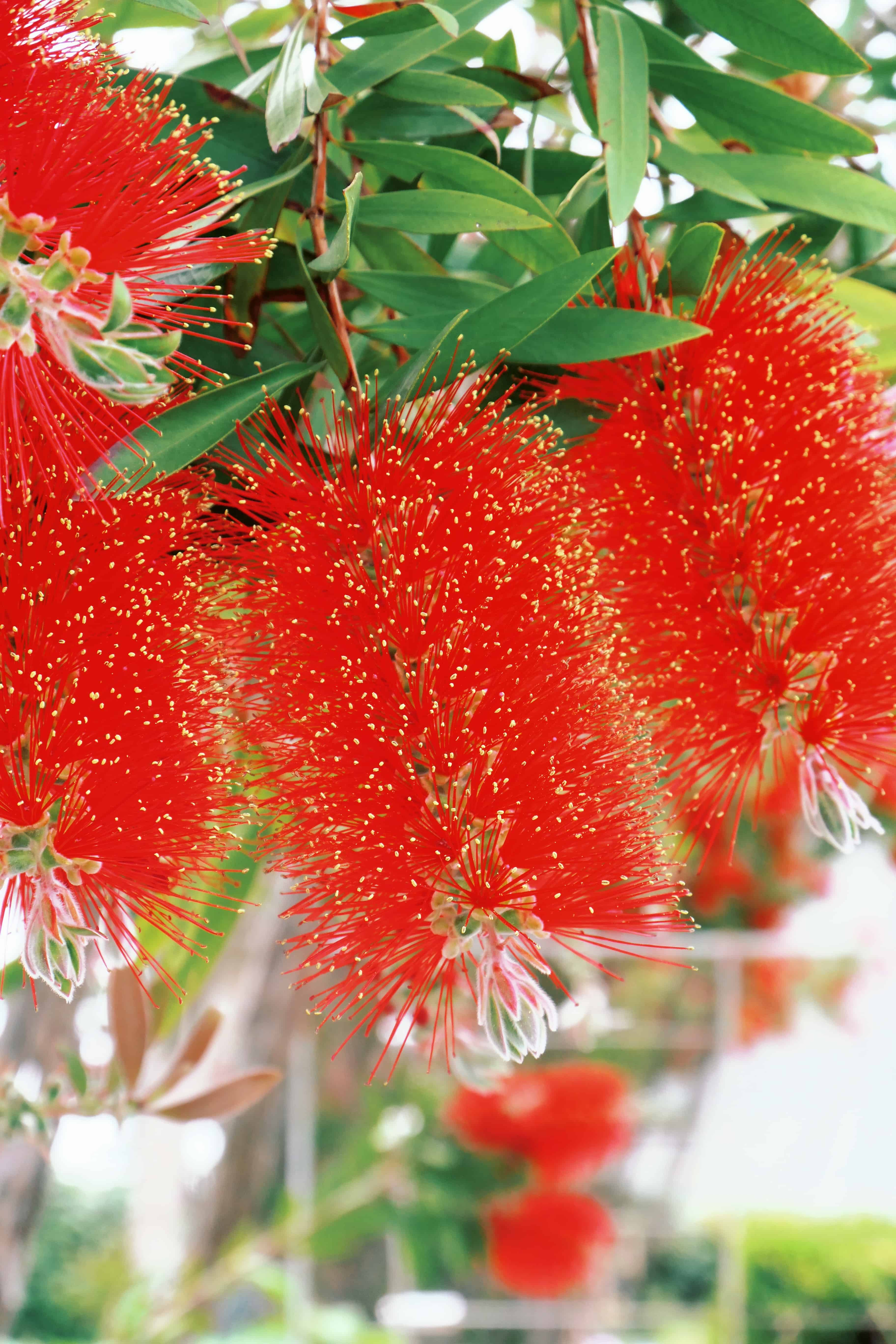
The grassy slope behind is a comfortable place to zone out. In May, weeping bottlebrush was blooming around the garden.
Since it was overcast, the sea was not especially blue, so I skipped Suma Seaside Park and changed course for Kobe Harborland to eat and wander through shops. Sea views in Japan really depend on the weather. Next time, on a sunny day, I would combine Suma Beach with a night view from Mount Maya.
KOBE Harborland
Kobe’s commercial districts are busy and easy to browse. The 1995 Great Hanshin Earthquake devastated the city, but after reconstruction its population is said to have grown well beyond the earlier scale. In the past, Kobe kept cutting into hills and filling in the sea to create new urban land. With the aging trend, more homes have been left empty, and because the city sits on an earthquake fault, there is also collapse risk. Oversupply of housing and falling tax revenue are social problems local governments in Japan now have to handle.
Another impression of Kobe comes from Ueno Chizuko’s writing: during the Hanshin-Awaji earthquake, poor people living in older homes with weak earthquake resistance suffered the most. Kobe City also allocated temporary housing by lottery, which made single people without local or family ties especially vulnerable. In a super-aged society, ties between people are looser than before, and there are many cases of lonely death. Still, compared with Osaka, this stylish and relatively uncrowded city seems very suitable for lazy people who do not need much social contact — a good place to lie flat and take a vacation. The biggest drawback, if I had to name one, is that it sits on an earthquake fault (?)
Since the port opened in 1868, Kobe has been a gathering place for foreign cultures. There are plenty of Western-style foods and foreign restaurants, and it was one of the first cities in Japan to popularize meat eating and Western cuisine.
I had a Japanese-Western set meal at nana’s green tea and then rushed off to browse the mall. I heard the matcha ice cream there is excellent; afternoon tea would probably be very pleasant.
At Kiddyland in the mall, Chiikawa goods require five items for tax-free shopping. The Kobe-limited sailor-outfit Hachiware was adorable. I also looked around other stores. My urge to shop is not strong, but over these days in Japan, malls have been my favorite places to wander. It made me realize that even Shanghai no longer has this kind of lively offline shopping atmosphere. Japan has protected its brick-and-mortar retail very well.
Walking along Kobe Port, it was indeed clean, with no litter. The only visible trash was pigeon droppings (…).
The lights at night were genuinely pretty.