450–470 MHz is one of those radio bands that looks ordinary from a distance. Internationally it is heavily used for land mobile services, and mainland China is no exception. Beyond that general allocation, however, public information about specific assignments is thin. The band is not a definitive mystery, but it is easy to misunderstand—and the most common misunderstanding is that 450–470 MHz is available for ordinary walkie-talkies.
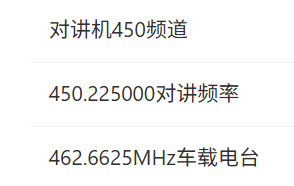
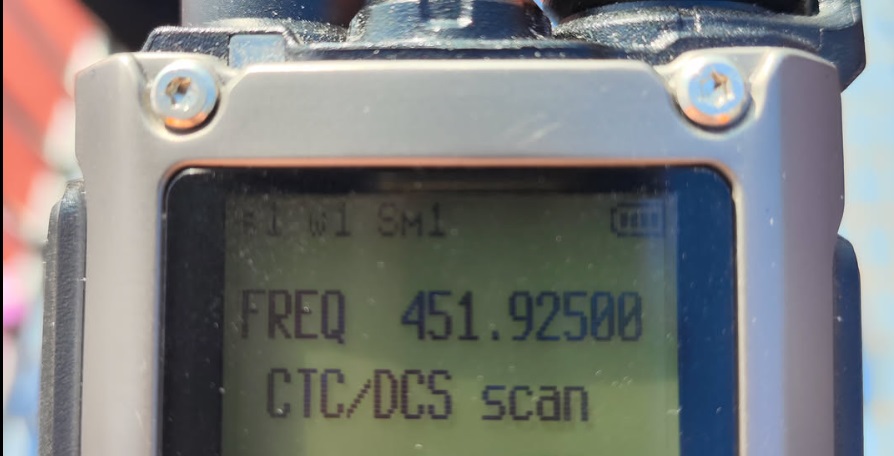
Search-engine query data makes the confusion visible. In Bing Webmaster, people ask about a '450 channel' and a '450 walkie-talkie frequency,' which suggests that radios tuning this range are being sold to ordinary buyers. A captured signal from a school sports meet a couple of years ago sat at 451.925 MHz, another sign that misuse of 450–470 MHz walkie-talkies is not rare.
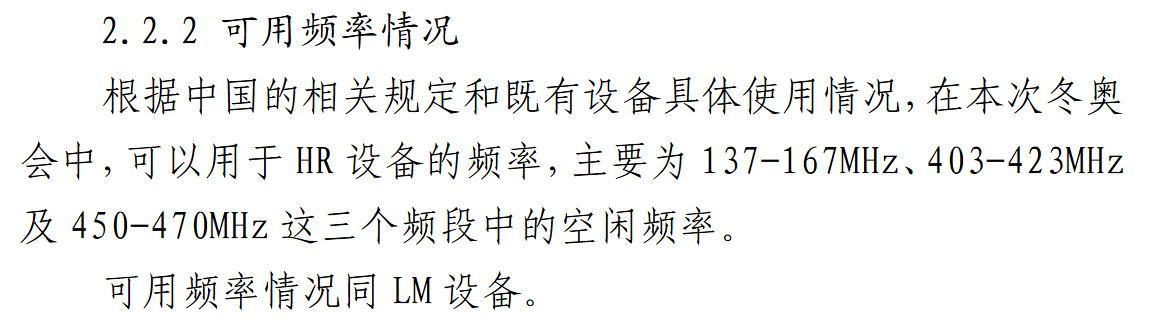
In civil communications, the 400 MHz region has long been contested ground. A recent adjustment set aside 401.0–423.5 MHz for dedicated walkie-talkies, with a station license required. Public walkie-talkies use 409.750–409.9875 MHz; amateur radio has 430–440 MHz, subject to an operator certificate and station license. Against that background, 450–470 MHz seemed to sit quietly for years. Often the only time it made news was when someone was caught using a walkie-talkie illegally. The band also appears in frequency-application guidance for the 2022 Winter Olympics.
What 450 MHz used to be
Older records show a more granular set of uses. News-media accounts describe an analog wireless access technology—possibly analog rural telephony—operating from 450.5 to 451.975 MHz. Approval records for CMIIT IDs, the equipment approval codes, also show walkie-talkies certified for 450–470 MHz in earlier years, including classic models such as the Kenwood 868.
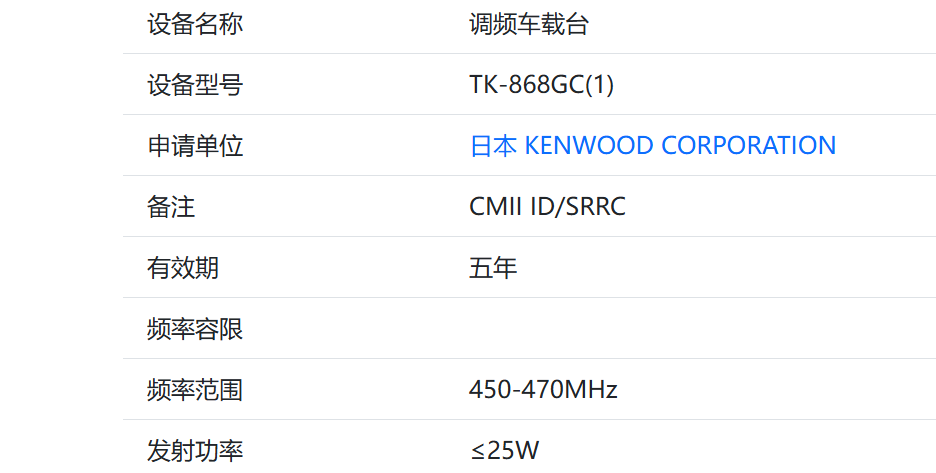
Taken together, those traces suggest that the band was once opened for civil use, especially professional walkie-talkies. That history helps explain why so many analog radios still operate there without licenses today. It does not mean the old permissions still apply. They are out of date.
The notices that tightened the band
Three documents are commonly cited in connection with the band:
- 信无函〔2002〕127号, Notice on Strengthening Management of the 450–470 MHz Band
- 信无函〔2005〕20号, Notice on Further Strengthening Management of the 450–470 MHz Band
- the 2012 Notice on Strengthening Radio Transmitting Equipment Management in the 450–470 MHz Band
The original notices are hard to find online. The old ministry website does not appear in web archives under those document numbers, so the trail often leads to third-party copies. Their shared direction, however, is clear: tighten approval for frequencies and equipment in the 450 MHz range. Walkie-talkies were an immediate target, particularly dispatch systems used by enterprises and institutions. The proposed replacement was another band, then 403–423.5 MHz. The exact transition date is not spelled out; it likely fell between 2005 and 2012. The well-known MIIT Document No. 666 of 2009 may also have been part of the shift.
The railway’s territory
A plausible reason for the tightening is that 450–470 MHz was reserved for railways, or at least given priority there. The National Railway Administration’s 2023 Implementing Rules for Railway Radio Frequency Use Licenses show that railways hold a position in the 450 MHz band. According to that document, MIIT entrusts the railway administration with licensing in this area. The arrangement is also reflected in the Railway Radio Management Measures. Specific frequencies are not published because they affect railway safety, but the key point is that the band is not unowned. It is not a free-for-all.
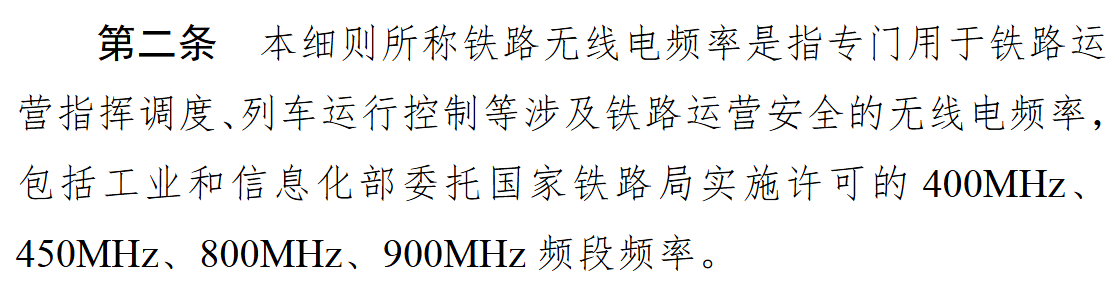
Two examples stand out. One is the analog train dispatch system—the subject of the long-running dispute over listening to railway dispatch traffic on a walkie-talkie—which uses 450 MHz.
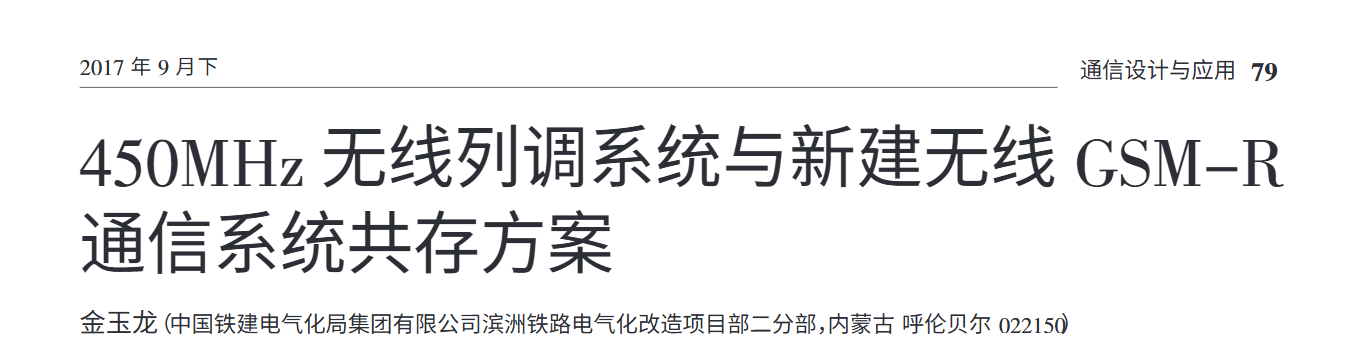
The other is railway LTE-R. A 2012 source speculated that low-band LTE might be used, and that possibility cannot be ruled out. The literature also describes railway LTE-R Band 31, with an uplink of 452.5–457.5 MHz and a downlink of 462.5–467.5 MHz, and there are signs of testing. How much it is actually deployed in recent years is unclear.
What is likely happening now
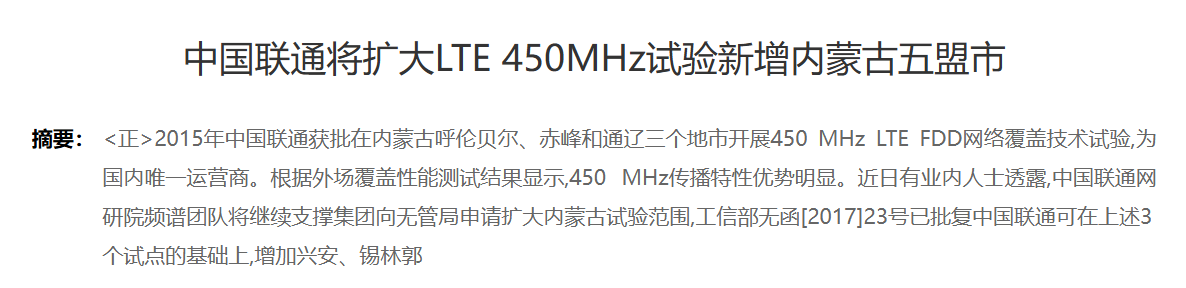
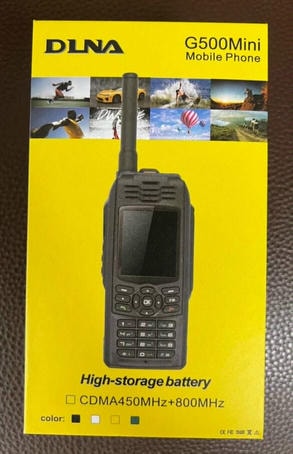
A reasonable inference is that a substantial portion—possibly all—of 450–470 MHz remains under the National Railway Administration for train dispatch, station dispatch, LTE-R and other internal uses. Because the railway system has its own frequency-application and station-licensing procedures, the band has stayed out of ordinary public view. It is also possible that a public-facing 450 MHz LTE network operates in some places, especially remote, flat areas such as Inner Mongolia, but such networks have been rarely mentioned in recent years, and no matching customer equipment appears to be sold in mainland China. The closest thing found is CDMA450 equipment offered for sale, apparently for export; it is actually a mobile phone.
Whatever the exact local details, one conclusion holds: 450–470 MHz is not a general walkie-talkie band. If a radio you own tunes this range, do not assume it can be used on the air. In mainland China, ordinary walkie-talkie operation here is not authorized. Check the licensing conditions first; the band has a real owner and real safety-critical users.